
In short
- An auction lot donation form records what was given, who gave it, what it is worth, and what conditions come with it.
- The fields that save you on the night: an honest description, a value with evidence, every restriction and expiry date, who holds the item, and consent to publish the donor’s name.
- Gift Aid does not apply to a gift of goods, and HMRC treats a winning bid as a purchase, although part of a bid can qualify if bidders are told the retail value first.
- The Code of Fundraising Practice expects you to be clear about who insures each risk, so insurance and collection belong on the form.
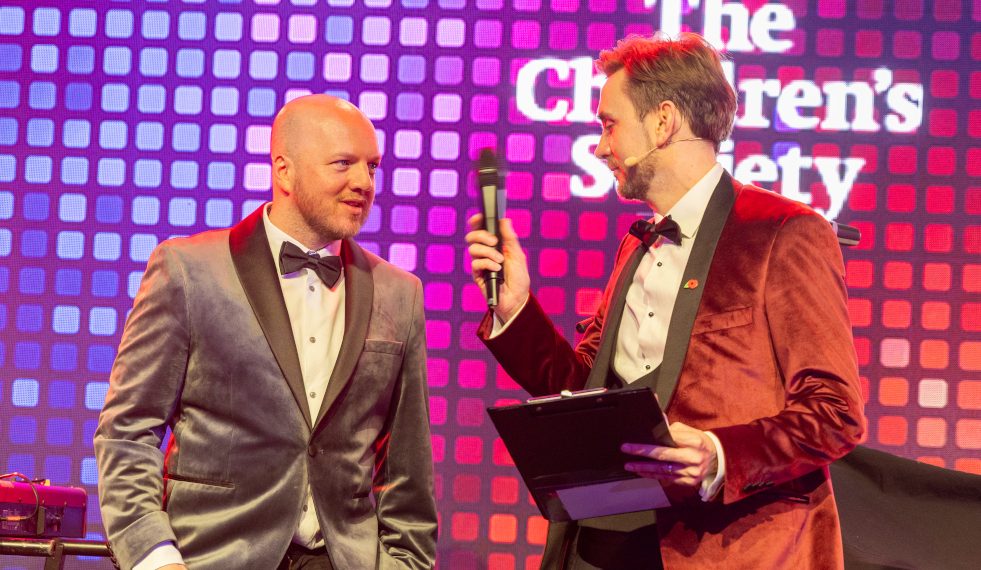
The auction lot donation form is the least glamorous document in your event file, and the first one I ask to see. By the time I am in the middle of a room with a wireless mic, every decision about a lot has already been made by whoever filled that form in. If the value is guesswork, I cannot anchor the bidding. If nobody wrote down the expiry date, the winner finds out in March that the weekend away cannot be taken.
What is an auction lot donation form, and what should it do?
An auction lot donation form is a short agreement between the charity and the donor: what the item is, what it is worth, what conditions apply, and who is responsible for it until the winner collects it. It gives me the facts to sell the lot honestly, the winning bidder terms they agreed to before their hand went up, and your finance team something to point at in February.
Keep it to one page. Donors abandon anything longer, and a form nobody fills in is worse than none.
Who is donating, and in what capacity?
Start with the boring block: name, organisation, position, email, mobile, address. Then the field most forms miss, and the one I end up chasing: who is the contact during the event, and on what mobile number?
Ask whether the gift comes from an individual or a business. A business donating a service may want its logo in the auction catalogue and an invoice reference. An individual may just want a thank-you letter.
Your form is also a fundraising document, which carries its own obligation. The Charity Commission’s guidance on trustee duties says that if your charity’s income exceeded £10,000 in its last financial year, fundraising materials must state it is a registered charity, and should include the register number. Footer job, done once.
How should the form describe the lot?
Make the donor write the description, then make them write what is not included. The exclusions are where the arguments live, and I would rather read them out than discover them on the night.
“A weekend at a cottage” is not a lot. “Three nights, Friday to Monday, sleeps six, excluding bank and school holidays, travel not included, dates by arrangement with the owner” is a lot. The first sells for less and causes trouble afterwards.
Not just good practice, either. Under section 11 of the Consumer Rights Act 2015, every contract to supply goods by description includes a term that the goods will match the description, and a winning bidder is a consumer like any other. The Code of Fundraising Practice also requires fundraising communications to be accurate and says fundraising must not mislead donors. An over-egged description breaks both by accident.
For a signed item, add a provenance field: who signed it, when, and what paperwork comes with it.
What value should the donor put on the lot?
Ask for two numbers, not one. The retail or market value, and the evidence for it: a link, a price list, a receipt, or the donor’s own standard rate.
That second field does real work. Under FRS 102 and Charities SORP 2015, donated goods are recognised at fair value when you receive them rather than only when they sell, unless measuring that value is impractical, per ICAEW guidance reviewed in July 2015. Collect the numbers at the point of donation and it takes thirty seconds.
It also sets the floor. A reserve price has to sit on a number you can defend from the stage.
Can a charity claim Gift Aid on a donated lot?
No. Gift Aid applies only to gifts of money, and HMRC’s guidance is explicit that charities cannot claim it on donations of physical items.
The winning bid is a different question, and this is where your valuation field earns its keep. HMRC treats a payment at a charity auction as a purchase, not a gift. Where the item is available commercially elsewhere, the benefit to the bidder is its shop sale price, and if that sits inside the donor benefit limits the whole bid can qualify. Where it exceeds them, the bidder may still buy the benefit and Gift Aid the excess, but only if they knew the retail value at the time. HMRC’s own example: a £10 football sold for £30 gives £20 of eligible Gift Aid if the room was told it costs £10, and nothing if it was not.
So saying the retail value out loud before bidding starts is worth money, and I can only say it if someone wrote it down. For a lot that is not commercially available, including most promises and experiences, the benefit is the full price paid, and none of it qualifies.
One more route. A charity can sell goods as the owner’s agent, ask the owner to donate the proceeds, and claim Gift Aid on the net proceeds. That needs the owner to keep ownership until the sale, and a valid Gift Aid declaration from them covering the gift of the proceeds.
Restrictions and expiry: the small print that decides the sale
Every experience lot needs a redemption window. Record the valid-from date, the expiry, blackout periods, the notice required, and whether it can be transferred.
Twelve months from the event is the sensible default. Anything shorter dampens bidding, because guests do the arithmetic in their heads and decide they cannot use it. Open-ended makes the donor nervous.
Ask the awkward questions while the donor is still keen. Minimum or maximum numbers? Age limits? Who pays travel? And if the donor cannot honour the lot, what then?
Who holds the lot, and who insures it?
Put it on the form: with the donor, with the charity, or in transit. Then name who insures it, and until when.
The events standards in the Code of Fundraising Practice require a pre-event risk assessment that includes being clear about who insures against each risk. A donated watch sitting in a desk drawer for six weeks is exactly that kind of risk, and nobody thinks about it until it is missing.
Add the logistics: delivery method, who collects, by what date, and where it needs to be on the day. If a third party handles lots or fulfilment, the Code expects a written agreement covering the activities and timescales involved.
Consent to publish the donor’s name
Separate the options out: name in the catalogue, logo on screen, a mention from the stage, a photo on social media. Donors say yes to some and no to others, so one blanket box tells me nothing when I am deciding who to thank by name.
You are collecting personal data, so the ICO’s right-to-be-informed guidance requires privacy information at the point of collection: your purposes, your retention period, who the data is shared with. Where you rely on consent for marketing afterwards, the ICO is clear that valid consent means an unambiguous indication by clear affirmative action, and that pre-ticked boxes do not count.
What the form tells me from the stage
My booking contract asks the charity to tell me, at least ten working days before the event, if any lot comes from a third-party supplier on a consignment, reserve or minimum-return basis. That lets me tell the room at the start exactly where every pound is going: which lots give the charity 100%, and which only pay out above a reserve.
I did not criticise anybody. I just turned the lights on. The only reason I could was that somebody on their team had written the terms of each lot down. Nobody claps for that part. It made the night work.
My strong view, and it is a view: lots sourced in house, with an auctioneer guiding the paperwork, keep more money with the charity than lots arriving on commission.
What should an auction lot donation form include?
One page. This is what goes on it.
| Block | Fields |
|---|---|
| Donor | Name, organisation, position, email, mobile, address, event-day contact |
| The lot | Title, full description, what is excluded, quantity, provenance and paperwork |
| Value | Retail or market value, evidence for it, whether it can be bought elsewhere |
| Terms | Valid from, expiry, blackout dates, notice, transferable or not, age or health limits |
| Logistics | Who holds it, who insures it, delivery or collection method and date |
| Permissions | Catalogue, logo, stage mention, social media, privacy notice |
| Sign-off | Donor signature and date, charity staff name, registered charity statement |
Build it as a web form where you can: online you can make the fields that matter compulsory.

Where to start
Write the form before you start asking. It is tempting to chase donation ideas first and sort the admin later, but the questions on a good form are the ones that produce a better lot.
Still deciding what to go after? Start with how to source auction lots and work back to the paperwork. If you want a second pair of eyes on your lot sheet before the invitations go out, that is part of what I do as a charity auctioneer. Call 07596 851647.

Kevin Durham
Charity auctioneer & event host