
Home About Kevin Auctions Virtual auctioneer Pledges Hosting Entertainment Free software Software examples Case studies Reviews Other services Fees Fundraising games Fundraising consultant Get in touch Blog Podcast

Mental health fundraiser ideas: events that raise money with care

Kevin Durham in black tie with two smiling guests in 1920s-style dress at a charity fundraising gala

In short

  • Pick the charity first and ask for its free fundraising pack. Mind, Samaritans and the Mental Health Foundation all offer one.
  • Match the format to your supporters: a ball or dinner for big money, a quiz, brunch or workplace day for reach.
  • Mental Health Awareness Week is set for 10 to 16 May 2027, and World Mental Health Day is every 10 October.
  • Run a live pledge, but a gentle one: no names called out, no pressure, and a quiet way to give.
  • Leave the facts to the charity, avoid medical claims, and tell guests where to find support.

A good mental health fundraiser raises money and leaves everyone in the room feeling better looked after than when they arrived. That means choosing the charity first, picking an event your supporters will enjoy, and asking for money in a way that never leans on anyone.

On a cause like this, the tone of the night matters as much as the total, and as a charity auctioneer I plan for both. Here are the formats that work, the dates worth planning around, and how I’d run the ask with care.

What makes a good mental health fundraiser?

A good mental health fundraiser is one your supporters want to attend, run with the charity’s blessing, and built around one clear, comfortable moment to give. The format comes second.

The cause reaches almost every room. Mind’s statistics page, published in September 2025, says 1 in 5 people in England report a common mental health problem, such as anxiety or depression, in any given week (from a 2023/24 survey). So assume some of your guests are living with it, or caring for someone who is.

That’s a reason to plan the evening with care, not to make it gloomy. People give generously when they feel warm, welcome and listened to.

Which mental health fundraiser ideas raise the most?

The mental health fundraiser ideas that raise the most are ticketed evenings with a short live auction and a live pledge, because a room of generous people sets its own ceiling. Smaller events matter too: they bring in new supporters and keep the conversation going all year.

FormatBest forWhere the money comes from
Charity ball or gala dinnerCharity supporters, corporate tablesTickets, live auction, live pledge
Sports challenge with an evening dinnerClubs, colleagues, running groupsSponsorship, then the dinner auction
Quiz nightWorkplaces, schools, villagesEntry fees, raffle, games
Music nightBands, choirs, local venuesTickets, collection, raffle
Brunch, coffee morning or bake saleAnyone, at any sizeDonations, sales
Workplace awareness dayOffices, teamsPayroll giving, matched giving, collections

The charities publish their own lists of fundraising ideas for mental health. Mind’s fundraising ideas run from coffee mornings and bake sales to a music night, a Big Brunch and fundraising at work, and its free pack includes a guide and a Mind t-shirt. Samaritans suggests a charity ball, a quiz night or a mufti day, and can send collection boxes and banners. The Mental Health Foundation adds Tea & Talk events and sports challenges.

If you want one evening to carry most of the year, my charity ball guide covers the planning, and there are more formats in my fundraising events roundup.

Dates to build a mental health fundraiser around

An awareness date gives your event a reason to happen now and lines it up with the charity’s own publicity.

  • Mental Health Awareness Week, run by the Mental Health Foundation, ran from 11 to 17 May in 2026 and is set for 10 to 16 May 2027. The Foundation’s Wear It Green Day falls within it.
  • World Mental Health Day is every 10 October, according to the World Health Organization. Good for a workplace event or a Tea & Talk.
  • For Children’s Mental Health Week, Place2Be’s Express Yourself Day is on Friday 5 February 2027, a natural fit for schools.
  • November is Movember’s month, and that has its own guide on this site.

A workplace event in May or October is the easiest win. For ways to get colleagues involved, see my corporate fundraising guide.

How do you run a live pledge without pressure?

You run a live pledge without pressure by making giving easy and saying no easier. Set a few clear levels, never single anyone out, and give guests a quiet way to give.

The live pledge is the most powerful segment of any evening I host: guests give straight to the charity’s work, with no lot to win. For this cause it should be run differently: drop the auction banter, slow right down, and let the charity’s speaker do the heavy lifting. Then ask once, clearly, and thank every hand that goes up. Whatever the room gives, the credit belongs to the charity’s team, not the person holding the microphone.

The Fundraising Code agrees. It asks fundraisers to avoid undue pressure and to accept a request to end an interaction. It also says not to accept a donation if you have reason to believe the person cannot decide for themselves.

In practice, that looks like:

  • Levels tied to real work. As of October 2026, Samaritans says £10 could help answer a call for help, £133 could help train a new listening volunteer, and £680 could help keep its helpline open for an hour. Concrete levels like these make the ask feel gentle.
  • A private way to give. Pledge cards on the table or a QR code, as well as hands in the air.
  • No chasing. Never approach a guest with food going into their mouth, and never ask twice.
  • Honesty about the money. Tell the room exactly where every pound goes and what it will pay for. People give more freely when nothing is hidden.

The full structure is in my piece on the live pledge.

How should you talk about mental health on the night?

Talk about mental health in the charity’s words, not your own. Let the charity supply the facts and the stories, and keep the host’s job to welcoming, thanking and asking.

  • No medical claims. Do not promise that a donation, an activity or a run will improve anyone’s mental health. Say what the money funds, in the charity’s terms.
  • Only the charity’s figures. If you use a statistic, take it from the charity’s or the NHS’s own pages and say when it was published.
  • A briefed speaker. A person sharing lived experience should choose what they say, with the charity’s support, and know they can stop.
  • Care around suicide. If the charity’s work includes suicide prevention, follow Samaritans’ media guidelines: no method details, no speculation about a single cause, and always signpost support.

That last point applies to the whole evening. Put a support line in the programme and on the screen at the end. Samaritans answers on 116 123, free, 24 hours a day, 365 days a year. The NHS advises calling 111 and selecting the mental health option for urgent help, or 999 if a life is at risk.

Looking after the room

The best mental health fundraiser feels like a good night out that happens to have a purpose. Keep it warm, even fun in places. The care goes into small practical things.
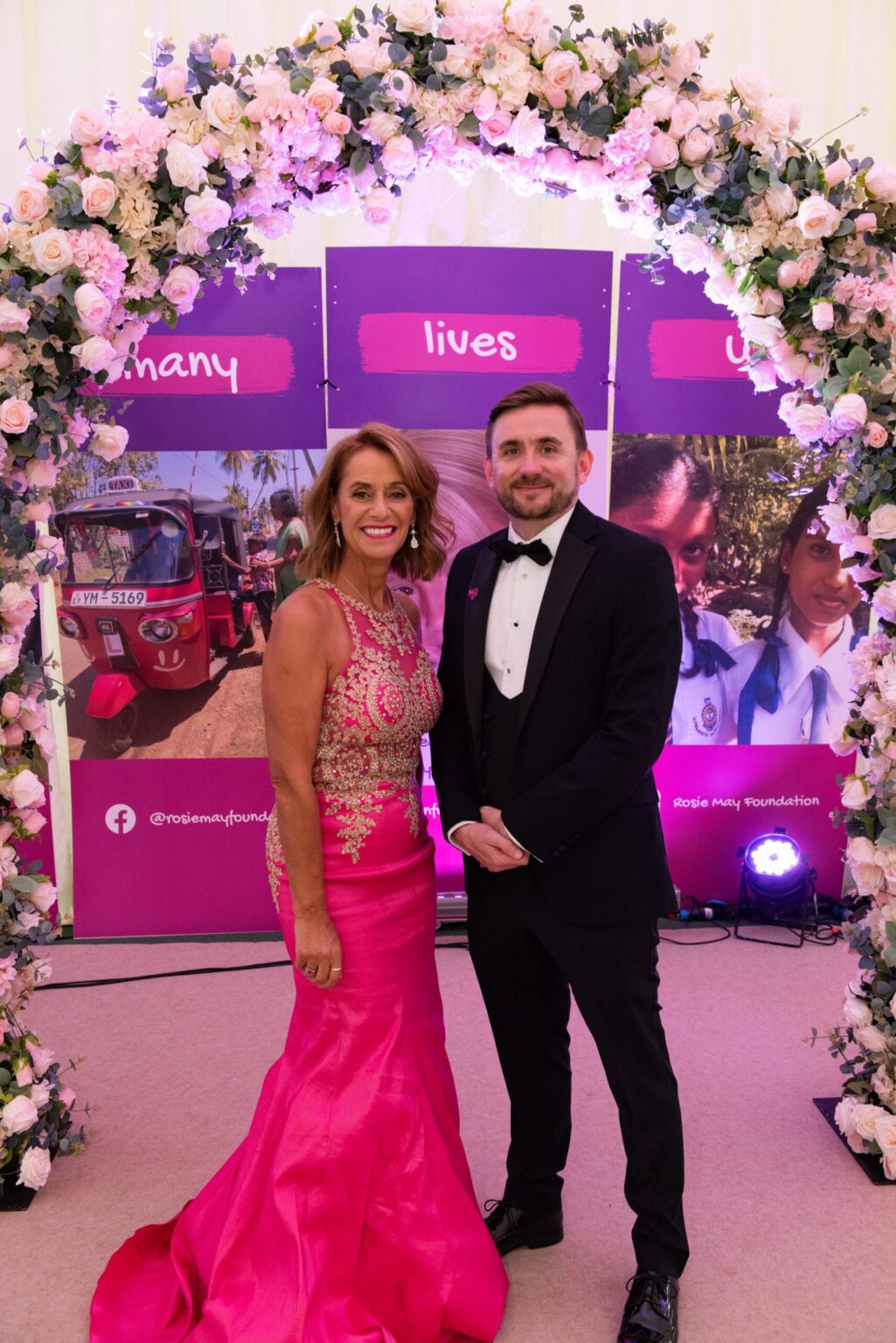
Kevin Durham with a guest in a pink gown under a floral arch at the Rosie May Foundation gala

Command the room before any ask. Get it quiet, make sure everyone can hear, and only then hand over to the charity. Agree a quiet corner where a guest can step out, and make sure the charity’s team knows who to talk to if someone becomes upset. Keep the programme tight, too: a tired room gives less.

If you are starting smaller, my list of easy fundraising ideas has formats that need very little budget. Afterwards, pay the money in promptly, thank everyone by name where you can, and send the final total to the charity so it can share it.

If you’re planning a fundraiser for mental health and want to talk through the auction and the pledge, call me on 07596 851647. I’d rather talk it through than trade emails.

If anything here has affected you, you can call Samaritans free on 116 123, day or night.

Kevin Durham, charity auctioneer

Kevin Durham

Charity auctioneer & event host

20years£10m+raised60–80events/yr
Check availability07596 851647

Let’s talk

Bring this to your event

Book a free consultation with a charity auctioneer who has raised over £10 million.

Club fundraising ideas that work for sports and social clubs

Kevin Durham in a red velvet jacket speaking into a microphone and pointing to a bidder at the Jigsaw charity gala

In short

  • For most clubs the biggest earner is the end-of-season dinner, with a short auction and a live pledge for one named project.
  • Ten lots only your club can offer beat fifty that anyone could.
  • Sell sponsorship as priced packages, and put a sponsor’s name on each award.
  • Check your governing body’s funds. Since February 2026 the ECB has offered cricket clubs interest-free loans of up to £75,000.
  • A 100 club is a lottery in law, so follow the Gambling Commission’s rules.

Most lists of club fundraising ideas give you fifty small things: bag packs, car washes, sponsored silences. They help, but they don’t pay for new covers, a scoreboard or a clubhouse roof. For that, a club needs a few bigger moves, and the biggest is usually a night it already holds every year.

At the 60 to 80 events I work each year as a charity auctioneer, mic in hand on the floor, the money nearly always comes from a short live auction and a live pledge. This guide covers cricket, rugby, golf, tennis and social clubs. Football clubs have their own guide to football club fundraising.

What are the best club fundraising ideas?

The best club fundraising ideas are the ones where one night or one conversation brings in thousands of pounds, not tens. For most sports and social clubs, that means five things.

IdeaBest forWhat to check
End-of-season dinner with auction and pledgeOne big projectGift Aid, raffle rules
Sponsor packagesKit and running costsWhat each sponsor gets
Governing body grants and loansFacilitiesEligibility, match funding
CASC registrationAmateur sports clubsHMRC conditions
A 100 clubSteady monthly incomeGambling Commission rules

How do you turn the end-of-season dinner into your biggest fundraiser?

You turn the end-of-season dinner into your biggest fundraiser by adding two short segments after the awards: a live auction of about ten lots, then a live pledge for one named project. The tickets mostly cover the meal. The auction and pledge are where the club makes its money.

The presentation night already brings players, parents and sponsors together in a good mood. My sports dinner guide covers the running order.

Auction lots only your club can offer

I’d take ten lots that half the room wants over fifty that nobody fights for. A long list loses the room. The best lots cost the club nothing and can’t be bought elsewhere:

  • A net session with the first-team captain, or a round with the golf club captain.
  • A seat on the team coach for an away fixture.
  • Naming rights on something new: the roller, the scoreboard, a bench by the 18th green.
  • Signed kit from a county or professional side, if you can check it’s genuine.

Then run a live pledge for one named project

A live pledge asks the room to give a set amount with no lot in return, starting high and working down. It’s the most powerful segment of any night I work. Sarah Summers of Over The Wall Camp put it like this: “We hired Kevin to do a live auction and a live pledge at our 2025 gala and he was absolutely fantastic. He brought real life to the room and raised a ton of money.”

For a club, tie the pledge to one thing, such as new covers or kit for a new girls’ team, and say what each level buys. My piece on the live pledge sets out the structure.

If your club is a registered CASC, pledges from UK taxpayers can carry Gift Aid. Auction lots and dinner tickets can’t, because the buyer gets something back.

Which fundraising ideas suit cricket, rugby, golf and tennis clubs?

Most lists of fundraising ideas for sports teams treat every sport the same, but the funding and traditions differ. These are the terms each body listed in 2026.

Cricket clubs

In February 2026 the ECB raised its maximum interest-free loan for grassroots clubs from £50,000 to £75,000, for building work, machinery, covers, nets and grounds work. It also doubled its County Grants Fund to £5m for 2026, focused on women’s and girls’ cricket.

Rugby clubs

The Rugby Football League’s club guide suggests match sponsors who hand over the man of the match award, and season sponsors who get a pitch-side board and a free ticket to the presentation night. It also says to put a reasonable price on everything at the start of the season.

Golf clubs

Golf clubs often raise money through the captain’s charity as well as for the club. At Tydd St Giles Golf Club, a Captain’s Day with a record 190 players raised more than £4,000 for the captain’s charity in July 2021. My charity golf day guide covers the format.

Tennis clubs

The LTA’s Facility Loan Scheme is not interest-free. Its page lists a 5% fixed rate, halved at the LTA’s discretion in more deprived areas, with decisions typically within eight weeks. It prioritises covered and floodlit courts. A new covered court is exactly the sort of named project a pledge can fund.

What are good fundraiser ideas for social clubs?

Good fundraiser ideas for social clubs start with what the club already has: a room, a membership list and regular nights. Most of this guide applies to Rotary-type and village social clubs too.

  • A dinner with an auction and pledge. It works anywhere people already turn up.
  • Community grants. National Lottery Awards for All England gives £300 to £20,000 for projects of up to two years, with a decision in 16 weeks.
  • Room hire. If the hall sits empty on weekdays, let it to local groups.

My list of fundraising events has more formats.

Sponsorship a sports club can actually sell

Sponsorship sells as a priced package, not a favour. “Would you sponsor us?” invites a polite no. “The pitch-side board is this much for the season, with a table at the presentation night” invites a decision.

A simple ladder for sports club fundraising:

  1. A main shirt sponsor for the first team, with first refusal next season.
  2. Boundary or pitch-side boards, plus mentions on the club’s socials.
  3. An award at the presentation night, with the sponsor’s name on the trophy.
  4. Match or player sponsors for firms that won’t stretch to a board.

The awards are the easy win: players care about them and the sponsor’s name is read out from the stage. For junior teams, check your governing body’s kit rules first.

Kevin Durham beside a winner holding a glass trophy at an outdoor community awards ceremony

HMRC treats sponsorship as an allowable cost for the business only when it’s wholly and exclusively for the trade, and entertaining is specifically disallowed. Put what each sponsor gets in writing.

Grants, loans and CASC registration

Grants rarely cover a whole project. Sport England’s Movement Fund offers £300 to £15,000 for community activity projects of up to 12 months. Some awards come as a crowdfunding pledge: Sport England gives half and your community raises the rest.

A Community Amateur Sports Club (CASC) registered with HMRC pays no tax on Gift Aid donations, can apply for up to 80% business rates relief, and pays no tax on trading profits while turnover stays under £50,000 a year. Membership fees can’t carry Gift Aid. Cash gifts of £20 or less can be topped up through the Gift Aid Small Donations Scheme without declarations.

Can a club run a 100 club?

Yes, a club can run a 100 club, but it’s a lottery in law, so the Gambling Commission’s rules decide how. These are its terms as they stood in October 2026.

  • Inside the club. A private society lottery suits sports clubs and community groups. Members can buy, non-members only at the premises. Tickets are physical, everyone pays the same and the draw happens at the club.
  • At the dinner. A raffle on the night is an incidental lottery. Tickets are sold only during the event, up to £500 of takings can go on bought prizes, and donated prizes have no limit.
  • Online or to the public. Register a small society lottery with your council: £40, then £20 a year, buyers aged 16 or over and at least 20% to the club.

In the first two, prizes can’t roll over. My guide to running a charity raffle covers the draw. If you’re unsure which route applies, ask your council’s licensing team before you sell a ticket.

Where to start this season

If the committee can only manage one big move, make it the end-of-season dinner. It raises money, puts your sponsors in one room and gives you match funding for the grant forms.

If you’d like me on the mic for the auction and the pledge, call me on 07596 851647. I’d rather talk it through than trade emails.

Kevin Durham, charity auctioneer

Kevin Durham

Charity auctioneer & event host

20years£10m+raised60–80events/yr
Check availability07596 851647

Let’s talk

Bring this to your event

Book a free consultation with a charity auctioneer who has raised over £10 million.

Cancer fundraiser ideas: events that raise serious money for cancer charities

Charity auctioneer Kevin Durham shading his eyes and pointing out a bid from the lectern at CRIS Cancer Foundation's A Night to Dream gala

In short

  • Choose the charity first and contact its fundraising team before you book anything. Most big cancer charities offer free packs.
  • For serious money, run a gala or ball with a short live auction and a live pledge.
  • Sports dinners, golf days, fashion shows and quiz nights suit different crowds. Pick what your supporters already enjoy.
  • Awareness dates help: World Cancer Day is every 4 February, and Breast Cancer Now runs Wear It Pink each October.
  • Keep the evening cause first and leave medical information to the charity.

A good cancer fundraiser starts with the cause and works back to the event. Pick the charity, talk to its fundraising team, then choose a format your supporters will actually turn up to and spend money at.

I have hosted cancer charity galas as a charity auctioneer, and the nights that raise the most are rarely the most elaborate. The room knows where the money is going and has a clear, comfortable way to give. Here are the formats, how to run them, and the UK rules.

What makes a good cancer fundraiser?

A good cancer fundraiser is one your supporters already want to attend, run in partnership with the charity, with one clear moment where guests are asked to give. The format matters less than those three things.

Cancer reaches a lot of families. Cancer Research UK’s statistics page lists 403,601 new cases of cancer in the UK (its figure covering 2019 and 2021 to 2022, as shown in October 2026). That reach means most rooms will include guests with a personal connection to the cause. It also means the tone needs care.

So decide on the charity first. A national charity, a local support centre and a children’s cancer charity tell different stories, and the event should fit the story.

Which cancer fundraising ideas raise the most money?

The cancer fundraising ideas that raise the most money are usually ticketed evenings with a live auction and a pledge, because they let a room of generous people set the ceiling. Smaller formats still matter: they bring in new supporters and keep the cause visible through the year.

FormatBest forWhere the money comes from
Gala or ballCharity supporters, corporate tablesTickets, live auction, live pledge
Sports dinnerClubs, business networksTickets, signed lots, auction
Golf dayClubs, corporate teamsTeam entry, sponsorship, evening auction
Fashion showLocal shops, community groupsTickets, raffle, donated lots
Quiz nightWorkplaces, schools, villagesEntry fee, raffle, games
Coffee morning or bake saleAnyone, at any sizeDonations, sales

The big charities publish their own lists. Macmillan’s fundraising ideas range from balls and dinner parties to quizzes and golf, and Cancer Research UK’s A to Z includes auctions, raffles and quiz nights. For more formats across every kind of cause, see my guide to fundraising events.

Running a gala or ball for a cancer charity

If you want one evening to carry most of the year’s total, plan a gala or ball. The ticket price covers the night. The auction and the pledge raise the money.

I have hosted for CRIS Cancer Foundation, including its A Night to Dream gala, and one of its reviews describes a “charity dinner for 440 very demanding people”. A room that size gives generously when the programme is tight and the ask is clear. The credit for nights like that belongs to the charity’s team and the supporters they bring with them, not to the person holding the microphone.

Kevin Durham in a burgundy velvet jacket pointing to the room from the stage while running the live auction at the MAG-FEST charity gala

A few things I would build in:

  • A short live auction. About ten strong lots, sourced in-house where you can, so more of the money stays with the charity.
  • A live pledge after the auction. Guests give directly to the work, at a few set levels, with no lot to win. I push for one every time: it is the most powerful segment of the night.
  • A speaker the charity chooses and briefs. It might be a nurse, a researcher or a family member.
  • A room that is listening. Get the room quiet before the auction starts, run it before guests tire, and go straight into the pledge.

At most galas I work, the pledge raises more than the auction. At a Jigsaw Trust event (an autism charity, not a cancer one), the charity expected £14,000 from the auction; the auction made £27,000 and a live pledge they had not planned added £30,600. I explain the structure in my piece on the live pledge, and the wider planning in my charity ball guide.

How do you plan a breast cancer fundraiser?

You plan a breast cancer fundraiser the same way as any other: choose your charity, request its pack, then pick a format. Breast Cancer Now’s own list of fundraising ideas runs from coffee mornings and walks to “gala balls”, golf days and raffles, and it invites supporters to wear pink each October.

October gives breast cancer fundraising a natural focus, so a ball, a fashion show or a workplace pink day that month has an easy hook. A fashion show works well with local boutiques: they lend the clothes, guests buy tickets, and a donated outfit can go into the auction. A golf day with an evening dinner gives you two fundraising moments for one booking.

Awareness dates worth building around

An awareness date gives your event a reason to happen now, and lines it up with the charity’s own publicity.

  • World Cancer Day is every 4 February, led by the Union for International Cancer Control.
  • October is the month for breast cancer, when Breast Cancer Now asks supporters to wear pink.
  • November belongs to men’s health: Prostate Cancer UK is the main beneficiary of Movember, which has its own playbook and its own guide on this site.

Check the charity’s own calendar before you fix a date, so you do not clash with its flagship events.

What do Macmillan and other cancer charities give fundraisers?

Macmillan and other cancer charities give fundraisers a free pack, promotional materials and a team to talk to. If you want Macmillan fundraising ideas, start with that pack.

Macmillan asks supporters to get a fundraising pack and register their event, and offers bunting, collection boxes and t-shirts to order. Its fundraising FAQs point to free poster templates and advise supporters not to buy their own card readers. Its fundraising team is on 0300 1000 200 or fundraising@macmillan.org.uk.

Cancer Research UK’s fundraising support offers a pack of “ideas, tools, tips and inspiration”, branded resources and advice on fundraising safely. Whichever charity you choose, use its materials and follow its branding rules rather than making your own logo.

What rules apply to a cancer fundraiser in the UK?

A cancer fundraiser in the UK follows the same rules as any charity event: insurance, licences, honest fundraising, and the rules for raffles and Gift Aid. None of it is complicated, but check it early.

The Fundraising Regulator’s events guidance, updated in November 2025, says organisers are responsible for health and safety and insurance. You need permission to use the venue and any licences for trading or selling food and drink. It also separates fundraising “in aid of” a charity from fundraising “on behalf of” one, which changes what the charity is responsible for.

  • Raffles. A raffle run at your event can spend up to £500 of ticket money on prizes and £100 on costs, with tickets sold only on the night, under the event raffle rules.
  • Gift Aid. Event tickets and raffle tickets are not gifts, and HMRC’s Gift Aid guidance treats an auction payment as a purchase. A straight donation from a UK taxpayer, such as a pledge, can usually qualify if the donor makes a Gift Aid declaration.

I am an auctioneer, not a lawyer, so check anything unusual with the charity and your local council.

How should you talk about cancer on the night?

Talk about cancer on the night in the charity’s words, not your own. Let the charity supply the facts, figures and stories. The host’s job is to thank people and ask for the money.

That means no medical claims from the stage, no statistics the charity has not supplied, and no promises about what a donation will cure. Say what the money funds, in the charity’s terms.

Kevin Durham speaking into a microphone from the lectern at CRIS Cancer Foundation's A Night to Dream gala

The room will include people who have lost someone and people in treatment. The tone can still be warm, even fun in the auction, then humble and sincere for the pledge. My hospice fundraising guide covers that balance for another sensitive cause.

Getting the money to the charity

The fundraising is not finished until the money reaches the charity. Agree in advance how and when you will pay it in, who collects the pledges, and how auction winners pay.

Then thank everyone quickly, by name where you can: guests, lot donors, the venue and the charity’s team. Send the final total to the charity so it can share it.

If you are planning a cancer charity gala or dinner and want to talk through the auction and the pledge, call me on 07596 851647. I would rather talk it through than trade emails.

Kevin Durham, charity auctioneer

Kevin Durham

Charity auctioneer & event host

20years£10m+raised60–80events/yr
Check availability07596 851647

Let’s talk

Bring this to your event

Book a free consultation with a charity auctioneer who has raised over £10 million.

Movember ideas: fundraising events that raise more than a moustache

Kevin Durham in a red velvet jacket on the microphone on stage at MAG-FEST, the Manchester Airport Group's charity gala, with guests beside him

In short

  • Movember runs every November, from the 1st to the 30th, and raises money for men’s mental health and suicide prevention, prostate cancer and testicular cancer.
  • You can Grow, Move, Host or Mo Your Own Way. You don’t need a moustache to take part.
  • Money goes through Movember’s own routes: your Mo Space online, or its “Submit cash donations” section for cash you collect.
  • Build to a finale: shave down on 1 November, then hold a party or dinner in the last week.
  • At that finale, auction one moustache-themed lot, then run a short live pledge.

Most Movember ideas start and stop at the moustache. Grow one, post a photo, ask for a fiver. That works, but the teams that raise the most every November turn the month into a run of small events that build to one big night at the end.

That big night is where I come in as a charity auctioneer, so this guide is built around it: how Movember fundraising works, the rules to follow, the ideas that suit workplaces and sports clubs, and a Mo party with an auction lot and a short live pledge in it.

What is Movember, and when does it run?

Movember is a men’s health charity campaign that runs every November. It started in 2003 as a bit of fun between friends in Melbourne, according to Movember’s fundraising guide, and it now funds work on mental health and suicide prevention, prostate cancer and testicular cancer.

In September 2026, Movember said its moustaches had funded more than AUD $1.8 billion of prevention-focused work. Its 2026 campaign asks supporters to make a Growmitment, a commitment to change men’s health, and to bring their crew along.

There are four ways to take part:

  • Grow: start clean-shaven at the beginning of the month and grow a moustache.
  • Move: walk or run 60km over the month, one kilometre for each of the 60 men Movember says are lost to suicide every hour worldwide.
  • Host: put on an event, or a Mo-ment as Movember calls it, from an office lunch to a black-tie party.
  • Mo Your Own Way: set your own challenge.

What is a Mo Bro, and can women take part?

A Mo Bro is a man who takes part in Movember, and a Mo Sista is a woman who takes part. Prostate Cancer UK, whose research Movember supporters have helped fund, calls them Mo Bros and Mo Sistas.

Movember’s guide says you don’t need to grow to save a bro. Moving, hosting and setting your own challenge are open to everyone.

How does Movember fundraising work?

Movember fundraising works through your Mo Space, the personal page you get when you sign up on Movember’s site or app. Set a target, say why you’re doing it, and share the link or QR code.

A few rules from Movember’s UK guide are worth knowing before you plan anything:

  • Money goes to Movember. Online donations land in your Mo Space. Send cash, cheques and transfers on through its “Submit cash donations” section. After an event, that is your job.
  • Name it properly. Call it something like “Community Ball supporting Movember”. Don’t call it an “Official” Movember event.
  • Don’t sell branded goods without a written agreement with Movember.
  • No street collections and no door-to-door.
  • Insurance and permits are yours. Movember’s insurance only covers events it organises itself, and the Fundraising Regulator says you must do a risk assessment before any fundraising event.

Movember ideas for the workplace

A workplace already has a team, a calendar and a bit of rivalry between departments. Movember lets you set up a workplace team from your Mo Space, and suggests asking your employer about gift matching and payroll giving, which comes out of pay before tax.

  • Shave-down on 1 November. A barber on hand, before-and-after photos, and a donation to watch the boss go first.
  • Mo-gress Mondays. A weekly photo wall of the growers. The worse the moustache, the better the conversation.
  • Lunchtime Move. A group walk each lunch break soon adds up to 60km.
  • Mo trivia. Movember offers a free quiz pack. Ask for a donation to enter.
  • Department league. Departments compete on totals, with the leaderboard on the kitchen wall.

There are more office ideas in my corporate fundraising and easy fundraising guides.

Which Movember ideas work for sports clubs?

The Movember ideas that work best for sports clubs are team challenges: a squad Move, a moustache league and a paid-entry tournament.

  • Squad Move. Everyone in the club takes on 60km. Movember’s guide suggests asking people to pledge per kilometre: five people giving £1 per km comes to £300.
  • Charity tournament. Five-a-side, tag rugby or netball. Paid entry makes sure teams turn up.
  • Mo of the season. Players vote for the best and worst moustache at the end of the month, and the worst pays a forfeit to the Mo Space.
  • Shave-down at training on the first session of November.

Movember event ideas for the end of the month

The best Movember event ideas give the month a finish line. Movember’s own guide suggests a “Stache Bash”: an end-of-Movember party where guests make a donation as a cover charge and you thank everyone who backed you.

Make it a dinner or party in the last week of November. Book the date before 1 November, sell tickets through the month, and put the leaderboard up on the night.

Don’t let the night drift. I like to open with a quick game such as Heads and Tails: everyone stands, it takes about four minutes, and the room is warm before the main course. There are more in my fundraising games guide.

Then save the moustache lot and the pledge for when the room is listening. Never ask anyone for money with food going into their mouth.

How do you run a Movember auction lot?

The simplest Movember auction lot is the moustache itself. Movember’s guide suggests auctioning off the style of your Mo to the highest bidder, and asking for donations to shave it off if you threaten to keep it.

Kevin Durham with a microphone and clipboard sharing a joke on stage with a bearded guest at a black-tie charity gala

At a finale, that becomes a live auction moment. The winning bidder decides what happens to the club captain’s moustache: shaved off on stage, dyed, or kept until Christmas. This is where the banter comes in. Is the finance team really going to let sales outbid them on their own manager’s top lip?

One or two of these lots is plenty. I would rather see ten great lots than fifty average ones, and a moustache lot should be the fun one, not the whole auction.

Take payment on the night and send it on through the Mo Space.

Why end a Movember fundraiser with a live pledge?

A live pledge is where guests give a set amount, in tiers, with no lot in return. It is often the highest-earning part of a charity event.

Most organisers leave the pledge out entirely. A Movember night doesn’t need to be big for one to work. Here is how a live pledge works.

For Movember, keep it to five minutes. Someone with a personal reason says a few words, you put the Mo Space QR code on the screen, and you ask for £100, then £50, then £20. The tone shifts here, from banter to the cause, but it doesn’t have to go quiet. Let the excitement build as the total climbs.

What men’s health facts should you share at a Movember event?

Share a few facts from Movember or the NHS, and point people to the NHS for advice.

  • Prostate cancer is the most diagnosed cancer in men worldwide, with more than 1.4 million men diagnosed each year.
  • The NHS says it often has no symptoms at first, and you can ask a GP about a PSA blood test even without symptoms.
  • Testicular cancer is the most common cancer in young men, with a survival rate of more than 95%.
  • The NHS advises men to check regularly so they know what is normal for them.

Is a Movember event worth a professional host?

A Movember event is worth a professional host when the month ends with a gala, auction or live pledge. The host keeps the humour and the cause in balance, runs the auction and leads a pledge once the room is warm. Smaller office Movember ideas can be run by the team.

A simple office challenge needs no host. Have ready the date, venue, guest numbers, the men’s health charity you support, any lots you have and what you would like the evening to raise.

Where I come in

Most of a Movember month belongs to your team. The part I can help with is the finale: hosting the night, running the moustache lot, and the live pledge. If you’re planning one, call 07596 851647. I’d rather talk it through than swap emails.

Kevin Durham, charity auctioneer

Kevin Durham

Charity auctioneer & event host

20years£10m+raised60–80events/yr
Check availability07596 851647

Let’s talk

Bring this to your event

Book a free consultation with a charity auctioneer who has raised over £10 million.

Church fundraising ideas that go beyond the jumble sale

Kevin Durham speaking from a lectern on stage at the MAG-FEST charity gala

In short

  • Match the idea to the goal. Running costs need regular giving. A roof needs an appeal with a proper ask.
  • An auction of promises suits a congregation: skills and time instead of bought prizes.
  • For a big project, end the evening with a live pledge.
  • A raffle at a church event needs no licence if every ticket is sold at the event, while it is happening.
  • Loose plate collections of £30 or less can earn a top-up through the Gift Aid Small Donations Scheme.

The best church fundraising ideas start with one question: what is the money for? A leaking roof, the heating bill and a mission partner overseas each call for a different plan, and the jumble sale only suits one of them.

Most evenings I spend as a professional charity auctioneer go into building what a church already has: a community that turns up every week. Here are ideas that turn that goodwill into real money, plus the UK rules on raffles, Gift Aid and collections.

What are the best church fundraising ideas?

The best church fundraising ideas are the ones matched to a clear goal. Parish Resources, the Church of England’s guidance site, puts it simply: one-off events add to income, but running costs are best met by regular giving.

GoalIdea that fitsWhy it works
Heating, insurance, running costsRegular giving by Direct DebitSteady and predictable
Roof or restorationAppeal evening with an auction and pledgeBig gifts in one room
Hall, youth club, equipmentQuiz night, concert, auction of promisesBrings in the wider parish
A cause beyond the churchRetiring collection or sponsored walkSimple, and Gift Aid can apply

Christmas brings its own carol nights and fayres. Everything below works year round.

Why should regular giving come before events?

Regular giving should come first because it pays the bills that never go away. It’s the least glamorous part of church fundraising, and the most important. An event is a bonus; a standing order is a foundation.

Parish Resources’ introduction guide points out that many people assume the church is wealthy or government funded. So tell them what a gift does. Its example: £20 heats the church for a whole day.

The Parish Giving Scheme lets churches take gifts by Direct Debit, card, Apple Pay and Google Pay. Church of England churches also get Cornerstone free, with a grants database of over 1,000 grants, updated weekly. Other churches should ask their own denomination what it offers.

Fundraising ideas for church halls and small congregations

Small congregations need ideas that don’t exhaust the same ten volunteers. These fundraiser ideas for church groups also work as community fundraising ideas, because the whole village can join in:

  • A quiz night in the hall. Teams, a modest entry fee and a good quizmaster. My quiz night guide covers the running order.
  • A soup lunch or bake sale after the service. Low cost, and it gives newcomers a reason to stay.
  • A sponsored walk between local churches. HMRC confirms sponsorship payments can be Gift Aided, subject to the normal rules.
  • A concert by the choir or a local school. The building is the star.
  • A stunt for the local paper. Parish Resources suggests the vicar sleeping on the roof to raise money for the roof. Local radio loves it.

These double as fundraising ideas for small charities of any kind. There are plenty more in my easy fundraising list.

Kevin Durham starting a Macmillan Mighty Hike, with walkers in green T-shirts

How do you run an auction of promises at church?

You run an auction of promises by asking members to pledge their time or skills, then selling those promises to the highest bidder. A congregation is ideal. It is full of people who can bake, garden, mend, tutor or drive.

Think of a homemade cake every month for a year, a day’s gardening, a lift to the airport or a piano lesson. None of it costs the church a penny.

One thing to know: HMRC says a payment at a charity auction is a purchase, not a gift. Where the promise can’t be bought anywhere else, its value is the price paid, so the bid doesn’t qualify for Gift Aid. My guide to an auction of promises covers gathering and pricing lots.

How do you raise money for a church roof or restoration?

You raise money for a church roof with a planned appeal: a clear target, grant bids running alongside, and one evening where you ask the room directly.

Parish Resources publishes 12 capital funding guides for building projects. Its event guide advises a cheerful atmosphere and speeches of five minutes at most. I agree. One short, honest talk about the roof, then the ask.

That ask should be a live pledge. It is the single most powerful segment of any fundraising evening I run, because everyone can give at a level that suits them. At one gala the pledge stalled with just me at the front asking, so I brought up people the charity had helped and let them speak. After that it really ran. Here’s how I approach running a pledge.

Kevin Durham on stage at the MAG-FEST gala with The Children's Society on the screen behind him

Keep the tone sincere, and let a little joy build as the pledges come in. Two rules from the floor. Get the room quiet first, because nobody gives to an appeal they can’t hear. And never approach someone with food going into their mouth.

Can a church run a raffle or tombola?

Yes. A church can run a raffle or tombola at a fete, supper or concert without a licence, as an incidental lottery. The Gambling Commission’s rules, as they stood in October 2026:

  • The raffle can’t be the main reason for the event.
  • Tickets must be physical and sold only at the event, while it is happening.
  • You can spend up to £500 of the proceeds on prizes and £100 on expenses. Donated prizes have no limit.
  • Prizes can’t roll over to another lottery.

Selling tickets in the weeks before, or running a 100 club, is different. That needs a small society lottery registered with your council: £40, buyers aged 16 and over, and at least 20% to the good cause. HMRC doesn’t treat raffle tickets as gifts either, so no Gift Aid. My charity raffle guide has the detail.

How do Gift Aid and the Small Donations Scheme work for churches?

Gift Aid lets a church claim 25p for every £1 a UK taxpayer gives, provided the church is recognised as a charity for tax purposes and holds a declaration from the donor.

Most churches are charities already. In England and Wales, churches linked to the Church of England, the Methodist Church, the Baptist Union and several other denominations, with income of £100,000 or less, are excepted charities: they don’t have to register, but the Charity Commission regulates them like registered charities. That exception has an end date of 31 March 2031.

For the plate, there is the Gift Aid Small Donations Scheme. As GOV.UK’s top-up guidance stood in October 2026:

  • Donations of £30 or less, in cash or by contactless, qualify with no declaration.
  • You can claim on up to £8,000 a year, which is a £2,000 top-up, capped at ten times your Gift Aid donations.
  • You must also claim Gift Aid in the same tax year.

Parish Resources notes that loose plate collections and undeclared envelopes form the basis of most parish claims, with the £8,000 limit applying per church.

Making it easy to give on the day

Whatever you run, make giving effortless. Parish Resources’ checklist says to have chances to donate everywhere, and wherever someone can donate, to offer Gift Aid. As the guide puts it, if you don’t ask, you don’t get.

Put a contactless reader by the door. Agree with the treasurer how cash is counted and banked before the day, not after. Then thank everyone and tell them what they raised.

Planning your church fundraising ideas for the year

Spread events through the year, review which ones raised the most, and keep the big ask for the project that deserves it.

If you are planning an appeal evening or an auction of promises, call me on 07596 851647. I’d rather talk it through than trade emails, and I’ll tell you honestly what works in a room like yours.

Kevin Durham, charity auctioneer

Kevin Durham

Charity auctioneer & event host

20years£10m+raised60–80events/yr
Check availability07596 851647

Let’s talk

Bring this to your event

Book a free consultation with a charity auctioneer who has raised over £10 million.

Fundraising ideas for big money: the formats that raise thousands, not hundreds

Charity auctioneer Kevin Durham in a burgundy velvet jacket, microphone in hand, pointing out into the room at a gala

In short

  • Big money comes from big asks made to the right people. The format sets up the moment.
  • A gala with a short live auction, then a live pledge, is the most reliable big-money format I know.
  • A major-donor dinner raises a lot from a few people, especially with an announced lead gift.
  • Match funding, challenge events and sponsorship add thousands, but each has costs or conditions.
  • Raffles and cake sales have built-in ceilings. Keep them as add-ons.

The best fundraising ideas for big money have one thing in common: they put a large ask in front of people who can say yes to it. A cake sale asks two hundred people for £3. A gala pledge asks the same two hundred people for £100, £500 or £5,000, and gives them a reason to say yes in front of each other.

Big totals are my day job as a charity auctioneer: 60 to 80 events a year, and over £10 million raised for charity so far. This guide ranks the formats that raise thousands, not hundreds.

What counts as big money in fundraising?

Big money in fundraising means an event or appeal that nets thousands or tens of thousands for the charity after costs, not one that grosses a big number and keeps little of it.

Net is the only figure that matters.

Every fundraising idea has a ceiling: how many people you reach, times how much you ask each one for. Raise both and the total jumps.

A raffle shows the problem. Under the event raffle rules, you can spend up to £500 of proceeds on prizes and sell tickets only at the event, while it is happening. It’s a fine add-on, but every ticket is a small ask.

Which fundraising ideas raise big money?

The fundraising ideas that raise big money are built around large individual gifts. Here is how the main formats compare.

FormatWhere the money comes fromEffortWhat caps it
Gala with live auction and pledgeBids and pledges in the roomHighWho is in the room, and how it is run
Major-donor dinnerA few large giftsMediumYour contacts with wealthy supporters
Matched pledge or appealPublic gifts, doubled by a funderMediumThe size of the match pot
Challenge eventParticipants’ sponsorshipMediumPlaces, and the event’s own costs
Corporate sponsorshipCompanies buying tables or naming rightsMediumYour local business network
Raffle, tombola, cake saleMany small paymentsLowTicket price times headcount

Most of the great fundraising ideas on long online lists sit in that bottom row. Use them as extras around a big-money format, not instead of one.

The gala: a live auction, then a live pledge

A gala is the format I see raise the most: a room of willing supporters, a whole evening, then the ask. Balls, concerts and boxing nights work the same way. The ticket covers the evening, and the money is made in the room.

The order is everything. Run a short, sharp live auction of around 10 strong lots, not the 50 to 100 that some commission-based lot suppliers roll in with. Then go straight into a live pledge, where every guest can give at a level that suits them.

On a big-money night, the pledge does more of the lifting than any single lot. Lisa Thewsey of the OCU Group, after an evening for Teenage Cancer Trust: “We’ve raised over £75k this evening. I highly recommend Kevin and can’t wait to have him back next year.”

In Monaco, I hosted a single-evening gala that raised over €1,000,000. The work started long before the night: which lots, in what order, and a structured pledge. On the night, it was about keeping a multilingual room’s energy up. My guide to European galas covers events like it.

The pledge has a tax advantage too. HMRC says a payment at a charity auction is a purchase, not a gift, so a winning bid usually carries no Gift Aid. A pledge is a donation. If the donor is a UK taxpayer and signs a declaration, the charity can claim 25p on every £1. For the full planning checklist, see my gala guide.

How does a major-donor dinner raise big money?

A major-donor dinner raises big money by inviting a few people who could each make a large gift, telling them about the cause over a meal, then asking.

The money is out there. The Charities Aid Foundation estimates that people with at least £1 million in investable assets gave £7.96 billion in 2023. The British public as a whole gave an estimated £14bn in 2025, and one in five people say they cannot afford to give.

Three things make the dinner work:

  • A lead gift, announced early. In a field experiment, announcing a challenge gift brought in 23% more donors and 18% more money than the same appeal without one. Ask your biggest supporter if you can name their gift.
  • The cause in the room. A beneficiary, a nurse or a project lead talking for a few minutes does more than any brochure.
  • A clear, gentle ask. The fundraising code says you must not put undue pressure on anyone to donate. The ask should come from the heart: warm, sincere and never a hard sell.

There is a Gift Aid wrinkle. HMRC treats a dinner that also raises money from other guests as a fundraising event, but a private dinner for one donor and a few friends counts as a benefit to that donor. Check with your accountant.

Can match funding double a big night?

Yes, match funding can double what a pledge raises, as long as the funder’s pot is big enough and you tell the room the truth about the cap. A sponsor or trustee agrees in advance to match pledges pound for pound, up to a set amount.

The evidence is solid. In a study of over 50,000 previous donors, simply announcing a match raised revenue per letter by 19%, and 2:1 or 3:1 matches did no better than 1:1. At national scale, Big Give’s Christmas Challenge raised £57.4m in one week in December 2025 for 1,591 charities, including £25.8m in match funding.

At a gala, the match works best behind the live pledge. One client doubled their fundraising target: their team did the hard work, and I added a plan for the auction and pledge agreed well before the night. A match belongs in that plan from day one.

Are challenge events worth the effort?

Challenge events are worth it when the sponsorship minimum is high and you know how much the charity keeps. Part of every pound pays for the event itself.

The scale at the top is huge. By May 2026, the London Marathon had raised more than £87.5 million for charities that year, a world record for an annual one-day fundraising event. On 31 May 2026, Soccer Aid raised £16,462,353 for Unicef, helped by a live TV appeal and a foundation matching donations up to £6 million.

Look at the net per person, though. On 18 October 2026, the Cardiac Risk in the Young Kilimanjaro trek page asked for a £499 deposit and a minimum of £4,150 in sponsorship, and said the charity would receive at least £1,975 for each fundraiser. That is still thousands, but not £4,150. Gift Aid on overseas challenges also depends on who pays the costs (section 3.38 of HMRC’s guidance).

A fun run, football match or fight night works the same way on a smaller scale. Gather the participants and their supporters at the end, and you have a room to ask.

Sponsorship and selling tables

Corporate sponsorship turns a good gala into a profitable one. A headline sponsor who covers the venue or the food means more of every ticket goes to the cause.

Kevin Durham on stage at MAG-FEST, the Manchester Airport Group's charity gala, with screens naming the headline sponsor, category sponsors and four charity partners

Sell tables to companies, not just seats to individuals. A company table bids and pledges together, and a little rivalry between tables is gold in the live auction. Offer your biggest sponsor the match, so their name is said every time a pledge is doubled.

What stops a big format raising big money?

A big format fails to raise big money when costs or commission eat the total, or when nobody holds the room for the ask. Both are fixable before the night.

Costs first. The year before MS UK hired me, an external auction company grossed around £13,000 at their event and the charity saw only about £1,300. When I came in, I told the room at the start exactly where every pound was going. The company grossed around £3,500 that year, and the live pledge raised £8,300, all of it for the charity. I didn’t criticise anyone. I just turned the lights on, and the money followed the transparency.

Then the room. Here’s the night I’d rather forget. I once announced a live auction at a big event that was running late, with no speech or video to set it up, and I didn’t stop to get the room quiet. Only a fraction of the guests heard the lots. I’ve never repeated it. Command the room first, and stand on a chair if you have to.

How do you choose the right idea for your charity?

The best answer to how to raise money for charity is the format that fits the people you already know. Whatever the lists of ways to raise money for charity say, ask who among your supporters could give £1,000 or more, and who could fill a table.

  • A few wealthy supporters. Start with a major-donor dinner. Then invite them to the gala.
  • A loyal community. A gala with a live pledge, so everyone gives at their own level.
  • Sporty supporters. Challenge events, with the costs worked out before anyone signs up.
  • A business network. Sponsorship and table sales, and ask your biggest sponsor to fund a match.

How to fundraise for charity well is mostly about doing fewer things properly. My guide to choosing ideas covers the wider options, and raising more covers the levers inside the night.

Where to start

Pick one big-money format for the year and build everything else around it. Set the target, name your lead gift, and plan the auction and pledge before you book the band.

That’s where I come in. I host the whole evening or just the fundraising, and I plan the lots, the order and the pledge with you beforehand. To talk through a big night, call 07596 851647.

Kevin Durham, charity auctioneer

Kevin Durham

Charity auctioneer & event host

20years£10m+raised60–80events/yr
Check availability07596 851647

Let’s talk

Bring this to your event

Book a free consultation with a charity auctioneer who has raised over £10 million.

Football club fundraising ideas that raise real money for grassroots clubs

Kevin Durham selling a brunch lot from among the tables at a daytime charity lunch, with guests laughing

In short

  • Three ideas raise real money for a grassroots club: a club dinner with an auction and a live pledge, proper sponsor packages, and grants.
  • At the dinner, ten great lots beat fifty average ones, and the live pledge usually beats the auction.
  • Grants such as the Football Foundation’s can ask for partnership funding, so the dinner money doubles as your match.
  • Registering as a CASC lets your club claim Gift Aid on donations and up to 80% business rates relief.
  • Any club draw is a lottery in law, so follow the Gambling Commission’s rules.

Most football club fundraising ideas are built to raise a few hundred pounds at a time: bag packs, car washes, sponsored keepy-uppies. They all help, but they don’t pay for a new set of goals, a mower or a clubhouse roof. For that you need a handful of bigger moves, done properly.

As a charity auctioneer, I work the floor at 60 to 80 events a year, mic in hand, and the money at a fundraising dinner nearly always comes from the same two places. Here is how a grassroots club can use them, alongside sponsorship and grants.

What are the best football club fundraising ideas?

The best football club fundraising ideas are the ones where one evening or one conversation brings in hundreds or thousands of pounds, not tens. For most grassroots clubs, that’s three things.

IdeaWhat it pays forMain effortWhat to check
Club dinner with auction and pledgeBig one-off projects, match fundingOne night, plus lot sourcingRaffle rules, Gift Aid
Sponsor packagesKit, running costsSelling and looking after sponsorsYouth kit rules
GrantsFacilities and equipmentPaperwork and patienceEligibility, match funding

Everything else (the tuck shop, the bag pack, the club draw) keeps the lights on. These three change what the club can afford.

How do you run a club dinner that raises real money?

You run a club dinner that raises real money by keeping the auction short and sharp and then running a live pledge. The dinner tickets mostly cover the dinner. The auction and pledge are where the profit is.

Build a short list of great lots

I’d take ten lots that half the room wants over fifty that nobody fights for. A long list drags, the room drifts and good lots go cheap at the end. Nobody is still listening by lot 43. Football helps here. A signed shirt or a stadium tour at a local professional club sells well. My guides to running a football shirt auction and buying in sports memorabilia cover how to source and check them.

Run a live pledge straight after

A live pledge asks the room to give a set amount, starting high and working down, with no lot in return. It is the single most powerful segment of any night I work. Dave Hands of LTS Global Solutions said afterwards: “It’s gone really well with the pledge, we couldn’t have done it without him. If you need someone to run an event like this, get Kevin to join you. Full credit to him.”

For a club night, it is the one segment I would never leave out.

Tie the pledge to one thing the club needs, such as new goals for the juniors, and say what each level buys. People give more when they can picture the under-9s running out between new posts. My piece on how a live pledge works sets out the structure, and my sports dinner guide covers the running order.

If your club is a registered CASC, pledges from UK taxpayers can carry Gift Aid. Auction lots can’t, because the buyer gets something back.

How should a grassroots club package sponsorship?

A grassroots club should package sponsorship in clear tiers, each with a price and a list of what the sponsor gets. “Would you sponsor us?” invites a polite no. “Our pitch-side board costs this much for the season and comes with a post every month” invites a decision.

Sport England’s Club Matters frames it as three questions: what can your club offer the sponsor, what can the sponsor offer your club, and who are the potential partners. Set your prices by what local businesses would pay to reach your families.

Kevin Durham on stage at a charity gala pointing to a bidder, with the event's category sponsors on the screen behind him

A simple ladder looks like this:

  1. A main shirt sponsor for each team, with first refusal on next season.
  2. Pitch-side boards, plus match-day mentions on the club’s socials.
  3. Player or match sponsors for local firms that won’t stretch to a shirt.
  4. A table at the club dinner, where sponsors get thanked by name from the mic.

Two rules shape the ladder. For youth teams, County FA guidance says gambling, alcohol and breweries are unlikely to be permissible on kit under any circumstances, so check before you sign. And for the business, HMRC treats sponsorship as an allowable cost only when it is wholly for the trade, while hospitality can fall under the entertaining rules. Put what the sponsor gets in writing.

Which grants can a football club apply for?

A football club in England can apply to the Football Foundation for facilities and equipment, and to wider community funds for activities. These are the terms as listed on each funder’s own pages in October 2026.

  • Football Foundation. Its funds cover goalposts, floodlights, grass pitches, changing pavilions and more. The goalposts grant, for example, has a minimum grant of £400 against a total project cost of £533. Kit and equipment, routine maintenance and facility hire are not funded.
  • National Lottery Awards for All England. Grants of £300 to £20,000 for projects of up to two years, with a decision in 16 weeks.
  • Sport England Movement Fund. Up to £15,000 for community activity projects lasting up to 12 months. Some awards come as a crowdfunding pledge: Sport England gives half and your community raises the rest.

And here’s where the dinner earns its keep twice. The Football Foundation’s machinery grant asks for evidence of partnership funding, and it only accepts applications from the Chair, Secretary or Treasurer. Money raised on one good night can be the share that unlocks a much bigger grant.

Registering as a CASC: the reliefs clubs miss

A Community Amateur Sports Club (CASC) is a sports club registered with HMRC, and plenty of grassroots clubs never get round to it. A registered CASC can reclaim tax on Gift Aid donations and apply for up to 80% business rates relief. Trading profits are exempt while turnover stays under £50,000 a year.

Membership fees can’t carry Gift Aid. Donations can, and the Gift Aid Small Donations Scheme lets an eligible CASC claim a top-up on cash gifts of £20 or less without collecting declarations. That turns the match-day bucket into a better earner. Registering is worth an evening of the committee’s time.

Smaller fundraising ideas for a football team

The smaller fundraising ideas for a football team are the steady ones that run all season. A quiz in the clubhouse is reliable, and my quiz night guide covers the format. A charity football match and a football card are both popular too, though a match is usually played for a charity rather than the club, and a card raises tens of pounds, not thousands.

A club draw or 100 club is a lottery in law, and the Gambling Commission sets the rules:

  • Inside the club. A sports club can run a private society lottery. Members can buy, non-members only at the club’s premises, tickets are physical only and everyone pays the same price.
  • At the dinner. A raffle run at the event is an incidental lottery. The Commission says it raises money for charity, not private gain, with tickets sold only at the event while it runs, £500 of takings on bought prizes and no limit on donated ones.
  • Online or to the public. Register a small society lottery with your council: £40, then £20 a year, buyers aged 16 or over and at least 20% to the club.

If you’re not sure which applies, ask your council’s licensing team before you sell a ticket.

Do these fundraising ideas work for rugby and other sports clubs?

Yes, these fundraising ideas work for rugby clubs, cricket clubs and most other sports clubs. A dinner with an auction and pledge, a sponsor ladder and a CASC registration don’t depend on the sport.

The grants differ. The Football Foundation is for football, so a rugby or multi-sport club should look first at Awards for All and the Movement Fund. The kit rules differ too, so check with your own governing body before a youth sponsor goes on a shirt.

Where to start this season

Pick one big move and do it well. If the committee can only manage one thing, make it the dinner. It raises money, puts your sponsors in a room together and hands you the match funding the grant forms ask for.

If you’d like a professional on the mic for the auction and the pledge, call me on 07596 851647. I’d rather talk it through than trade emails.

Kevin Durham, charity auctioneer

Kevin Durham

Charity auctioneer & event host

20years£10m+raised60–80events/yr
Check availability07596 851647

Let’s talk

Bring this to your event

Book a free consultation with a charity auctioneer who has raised over £10 million.

Quirky fundraising ideas that people will actually pay for

Kevin Durham on the microphone with a line of guests on stage at the MAG-FEST charity gala

In short

  • The best quirky ideas let people pay more than once: to start it, to stop it, or to outbid the other side.
  • Oddball lots, like naming a character in a book, cost nothing and sell well in a live auction.
  • Jail and bail and sponsored stunts raise money before the event starts.
  • A duck race is a lottery in law. Sell tickets only at the event, or register it with your council.
  • Keep the silliness well away from the live pledge.

Most lists of quirky fundraising ideas are judged on how funny they sound. I judge them on the total. A quirky fundraising idea earns its place when somebody pays to watch it, pays to make it happen, or pays to make it stop, and ideally all three.

Before I became a charity auctioneer I worked in TV and comedy, so I’m all for a laugh. But a laugh that raises £40 is a nice afternoon, not a fundraiser. Here are the oddball ideas that bring in real money.

What makes a quirky fundraising idea worth doing?

A quirky fundraising idea is worth doing when the laugh turns straight into money without costing much to stage. Novelty gets people to look. A clear way to pay gets them to give. I ask four questions first:

  • Who pays, and how often? Paying to vote, then again to change the result, beats one entry fee.
  • What does it cost? Hiring kit to raise £200 is hard work for very little.
  • Has everyone agreed? Quirky never means embarrassing someone who didn’t sign up.
  • Does it suit the room? An office isn’t a black-tie gala.

Gentler options are on my easy fundraising list. This post is for the odd ones.

Which quirky fundraising ideas raise the most money?

The quirky fundraising ideas that raise the most are the ones where people tap their own networks, or bid against each other in the room.

IdeaWho paysCost to stage
Jail and bailEach “prisoner’s” friends and colleaguesLow
Shave or saveTwo sides of the room, against each otherAlmost nothing
Oddball auction lotsThe highest bidderNothing
Sponsored stuntSponsors, before the dayLow
Gunge the bossEveryone who votesA tank and a lot of slime
Duck raceTicket buyers at a fun dayDucks, a river, permission

Hilarious fundraising ideas for a gala dinner

A gala suits quirky ideas: the generous people are all in one room.

Shave or save

A willing volunteer with a beard stands at the front. Half the room pays to see it shaved off. The other half pays to save it. Whichever side has given more by the deadline wins, and every pound goes to the charity.

Nobody wants to lose, so each bid gives the other side a reason to go again. That is where my auction banter earns its keep: “Sir, you could be the hero. They’d sing songs about you around the campfire. Is that not worth another hundred pounds?”

The volunteer must be genuinely happy with either outcome. I’m playful with people in the room, but never at the expense of someone who hasn’t agreed. The same goes for a bachelor auction, where consent matters even more.

Oddball auction lots

The best unique fundraiser lots cost nothing and can’t be bought anywhere else. In April 2020, Jeffrey Archer offered to name a character in his next book after the highest bidder, to raise money for Addenbrooke’s Hospital. In 2014, authors including Margaret Atwood gave character names to an Immortality Auction for Freedom from Torture.

You don’t need a famous author. Ask what your supporters own that money can’t usually buy:

  • The CEO’s parking space for a month.
  • Choosing the band’s next song, and the one they’re banned from playing.
  • A day as head teacher, or a job swap with the boss.

I like one between two serious lots: it resets the room. For lots built from people’s time and skills, an auction of promises takes the idea further.

Jail and bail

Jail and bail starts weeks before the event. Volunteers are “arrested” for made-up crimes and stay locked up until they raise their bail. Children’s Hospice South West releases its jailbirds only once they raise £999 bail from friends, family and colleagues.

At one Midlands Air Ambulance Charity event, 22 “inmates” from 16 companies each had a £600 target and raised more than £30,000 together. Read out the released prisoners at your gala for a laugh and a total in one go.

What are fun fundraising ideas for the office or school?

The best fun fundraising ideas for an office or school let everyone join in for a pound or two, while the people in charge are the ones who look silly.

  • Gunge the boss. Teenage Cancer Trust suggests an old-school quiz where the losers get dunked in slime, and pupils voting for the teacher to slime. Charge per vote.
  • Beat the teacher. JustGiving suggests a penalty shootout where pupils pay to shoot at teachers in goal.
  • Guess the baby photo. Colleagues pay to match baby photos to faces. A guessing game decided by knowledge is a prize competition, not a lottery, if it is hard enough to stop some people winning.

Which quirky sponsored challenges raise real money?

The sponsored challenges that raise real money are short, visual and slightly ridiculous. People sponsor what they want to see.

  • Sit in a bath of baked beans or cold custard for a set time, as Teenage Cancer Trust suggests.
  • Shave your head. On 18 October 2026, Macmillan’s Brave the Shave page showed £761,318 raised by its shavers that year.

Do the stunt live at your event once the sponsorship is in, and give the room a chance to add to it. Sponsors can also Gift Aid their own donations with a Gift Aid declaration.

Is a duck race a good quirky fundraising idea in the UK?

A duck race is a good quirky fundraising idea in the UK for a community fun day, but it is a lottery in law. Dorset Council, for example, lists duck races alongside raffles as a lottery.

As part of a bigger event, it can run as an incidental lottery with no licence. The rules, as they stood in October 2026:

  • It can’t be the main reason for the event.
  • Tickets must be physical and sold only at the event, while it runs.
  • Up to £500 of takings can go on prizes and £100 on costs. Donated prizes have no limit.

Selling ducks in the weeks before usually means registering a small society lottery with your council: £40, buyers aged 16 and over, every ticket the same price. There’s no Gift Aid on duck tickets, because HMRC treats a lottery ticket as a payment, not a gift. I’m an auctioneer, not a lawyer, so check anything unusual with your council.

Quirky ideas I would leave off the list

Big hire items, like inflatable courses, can cost more than they raise unless a sponsor pays. Any forfeit that makes someone uncomfortable is out, however funny it sounded in the planning meeting. And a charity football match or a boxing night is a whole event, not a slot in somebody else’s evening.

Where quirky fundraising ideas fit on the night

At a gala, quirky ideas work best in the gaps: at the arrival reception, or once plates are cleared. My rule: never approach someone with food going into their mouth.

First, get every guest’s attention. I open with Heads or Tails, which gets every guest on their feet in minutes. Then the live auction, with an oddball lot to keep it lively.

Kevin Durham pointing into the room from the stage at the MAG-FEST charity gala

The live pledge is different. That is the heartfelt moment, and it should never feel like a stunt. Leave the gunge for the games. The pledge works because it is sincere, and at most galas I run it raises more than the auction.

For quirky ideas built into a night that also raises serious money, see the fundraising games I run, then call me on 07596 851647.

Kevin Durham, charity auctioneer

Kevin Durham

Charity auctioneer & event host

20years£10m+raised60–80events/yr
Check availability07596 851647

Let’s talk

Bring this to your event

Book a free consultation with a charity auctioneer who has raised over £10 million.

Christmas fundraising ideas for charities, from carol nights to Christmas ball auctions

Charity auctioneer Kevin Durham in a burgundy velvet dinner jacket pointing into the room from the stage at the MAG charity ball

In short

  • A Christmas ball with a live auction and a live pledge is the biggest single earner most charities can run in December.
  • Ten great lots beat fifty average ones. Then finish with a pledge.
  • Carol nights and office parties raise more when there is one clear ask, not a bucket left by the door.
  • Giving Tuesday falls on 1 December 2026, and matched appeals in early December can double what supporters give.
  • A ticket is a payment, not a gift, so only genuine donations such as pledges can carry Gift Aid.

The best Christmas fundraising ideas put people in a room and give them a reason to give: a carol night, an office party with a short auction, or a Christmas ball that ends with a live auction and a pledge. December is the one month when almost everyone already has a party in the diary. Your job is to make one of them yours.

The run-up to Christmas is the busiest stretch of my year as a charity auctioneer. These are the ideas I’d back, from the smallest carol concert to the full Christmas ball, plus the dates and rules worth knowing for December 2026.

Which Christmas fundraising ideas raise the most?

The Christmas fundraising ideas that raise the most are live events where a host can make one clear ask to a full room. A Christmas fundraiser that relies on people finding a donate button on their own has to compete with every other appeal in December.

Here is how the main options compare:

IdeaEffortBest forWhere the money comes from
Christmas ball with auction and pledgeHighCharities with loyal supportersTickets, live auction, live pledge
Carol nightLow to mediumLocal charities, hospices, schoolsTickets, a collection, a short appeal
Corporate Christmas party auctionMediumA charity with a corporate partnerA few lots and a staff pledge
Christmas jumper dayLowWorkplaces and schoolsSmall donations from lots of people
Santa runMedium to highCharities with active supportersEntry fees and sponsorship
Giving Tuesday and matched appealsMediumAny charity with an email listOnline gifts, often doubled

A Christmas fayre has its place too, with stalls and games that earn a pound at a time. But if you want one night that changes your year, it’s the ball.

How do you run a Christmas ball auction?

You run a Christmas ball auction with a short list of lots people actually want, a running order that saves the auction for when the room is full and fed, and someone on the microphone who holds the room. Get those three right and the rest follows.

Start with the lots. I’d rather sell ten great lots than fifty average ones, because a long list tires the room. Festive lots sell well in December: a Christmas tree delivered and decorated, a chef cooking Christmas dinner in the winner’s home, a New Year break, a family day out in the school holidays. My list of experience ideas has plenty more.

Then plan the night. Open with something that gets the whole room playing, such as Heads or Tails, so people warm up before you ask for anything big. Sell raffle tickets while guests are arriving or waiting for dinner, never while food is going into their mouths. Under the event raffle rules, tickets can only be sold at the event while it is taking place.

Bring the auction in after the main course, when everyone is seated. And command the room before you start. I once announced a live auction to a room that was still talking, and only a fraction of it heard the lots. I’ve never made that mistake again. Stand on a chair if you have to. My guide to planning a gala covers the full running order.

Five game finalists with their hands on their heads on stage at the MAG-FEST charity ball, with Kevin Durham on the microphone behind them

Why should a charity Christmas ball end with a live pledge?

A charity Christmas ball should end with a live pledge because the pledge is usually the biggest earner of the night. Christmas is when people think about others most, and the pledge lets them act on it.

A live pledge works like this. You tell the room what the money will do, then ask for hands at set amounts, starting high and coming down. Every hand gets thanked, and the room cheers each one. I go serious for the pledge, but never sombre. It’s not a funeral: the excitement should build as the money comes in.

Katie from Make Events and the Co-op Foundation said on the night: “He had more bids and higher bids than we were expecting, and we sold everything. We made over £18,000 tonight, and the pledge really rallied people together. I really recommend him.” That rallying is why I always say the pledge is where the real money lives. My live pledge guide explains the method.

There is a Gift Aid point here too. HMRC treats admission to an event as a payment, not a gift, so ball tickets cannot carry Gift Aid. A pledge that buys nothing in return is a donation, but each donor must make their own declaration, so put Gift Aid forms on the tables.

Christmas ball ideas that make the night feel different

The best Christmas ball ideas are small touches that remind guests why they came. A theme helps (a winter wonderland, a Nutcracker night), but the cause is what people should remember.

  • Carols on arrival. Ideally from a choir of people the charity supports.
  • A wish tree. Each bauble says what a set amount buys. It warms the room up for the pledge before you say a word.
  • A short speech before the auction. Two minutes from someone the charity has helped beats any lot description.
  • Christmas jumpers with black tie. It sounds odd. It breaks the ice in about a minute.
  • A silent auction during dinner. When you hire me, the auction software comes included, set up in your branding with your lots loaded.

Kevin Durham on the microphone on stage with representatives of the charity partners at the MAG-FEST charity gala

How do you turn a carol night into a Christmas fundraiser?

You turn a carol night into a Christmas fundraiser by selling tickets or holding a retiring collection, and by giving the audience one clear ask halfway through. Carols bring people in. A two-minute story about the cause is what makes them give.

Keep it simple. Mince pies and hot chocolate in the interval, a short talk from the charity, and a collection at the door as people leave, full of goodwill.

If your carol singers are heading out into town, check the rules first. You may need a street collection licence from your local council to collect in public areas, such as a shop doorway or a car park. In Greater London (outside the City of London), the licence comes from the Metropolitan Police.

Can a corporate Christmas party be a Christmas charity event?

Yes, a corporate Christmas party can easily become a Christmas charity event. The company is already paying for the venue and the food, so adding a short auction or a pledge costs very little.

There is plenty of room for it. A CAF report published in September 2025 found that only 25% of UK businesses gave time, cash or goods to charity in 2024. My guess is plenty of the rest have never been asked in the right way.

Twenty minutes is plenty. Three to five donated lots, then a short pledge with the company matching what staff give. My corporate fundraising guide has more ways to work with business partners.

Festive fundraising ideas that don’t need a ballroom

Not every festive fundraising idea needs a venue. These suit supporters who will never come to a ball:

  • Christmas jumper day. Save the Children’s Christmas Jumper Day is on Thursday 10 December 2026, with a suggested £2 for adults and £1 for children. The same idea works for your own charity’s day in a school or office.
  • A Santa run. The Liverpool Santa Dash had about 11,100 Santas in 2025. You can enter a team in an existing run or organise your own.
  • A festive quiz. A village hall, a few rounds of Christmas questions, and a small entry fee per team.

If you organise your own run, the Fundraising Regulator’s event standards say you must carry out a risk assessment and make sure participants know any conditions before they sign up.

How do Giving Tuesday and matched appeals fit your Christmas fundraising ideas?

Giving Tuesday and matched appeals give your Christmas fundraising ideas a deadline, and deadlines make people give. Giving Tuesday falls on 1 December 2026, right at the start of the month.

Matched appeals add a second reason. The Big Give’s Christmas Challenge runs in early December and uses funds from its partners to double public donations. In 2025, more than 1,500 charities raised £57.4 million through it in a single week. If you are taking part, say so at every event: “every pound you give this week is doubled” is a persuasive line.

And giving is under pressure. The CAF UK Giving report estimates that the British public gave £14 billion in 2025, and one in five people say they cannot afford to give to charity. A clear ask with a clear result works better than a general appeal.

Is a Christmas charity night worth hiring a host for?

A Christmas charity ball or carol night is worth hiring a host for when it includes an auction or pledge in a busy festive room. Guests arrive in a party mood, so a professional keeps the ask warm and the evening still feeling like Christmas. Stalls and raffles need no host.

If your plan is a market or a raffle, run it yourself. Have ready your date, venue, guest numbers, the running order for the carols or dinner and the target for the night.

Planning your Christmas fundraising calendar

Christmas comes round fast. For a December ball, book the venue and your host by October and collect lots in November. Put Giving Tuesday in the diary now, and plan your thank-yous for January.

Whatever you run, tell people where the money goes. The Fundraising Regulator’s event standards ask charities to be clear about how money raised at an event will be used. At one MS UK event, I told the room at the start exactly where every pound was going, and the live pledge raised £8,300, all of it for the charity. I didn’t criticise anyone. I just turned the lights on, and the money followed.

If you’re planning a Christmas ball or a carol night appeal, call me on 07596 851647. I’d much rather talk it through than trade emails.

Kevin Durham, charity auctioneer

Kevin Durham

Charity auctioneer & event host
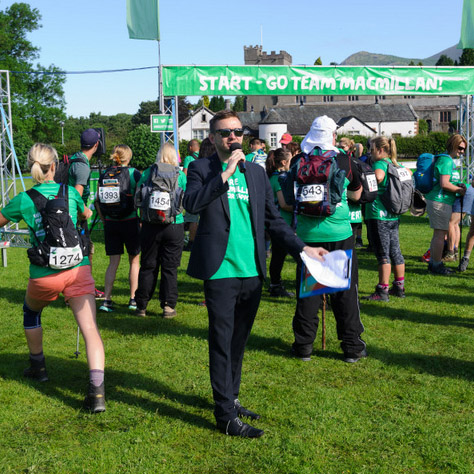
20years£10m+raised60–80events/yr
Check availability07596 851647

Christmas, in the room

Carols in October, and a choir that turned up in the wrong season.

Singing Carols in October to Sell Concert Tickets
Singing carols in October to sell concert tickets
A Choir Sang Jingle Bells at an Autumn Charity Auction
A choir sang Jingle Bells at an autumn auction

Let’s talk

Bring this to your event

Book a free consultation with a charity auctioneer who has raised over £10 million.

Giving Tuesday: how UK charities can use it, and where a live event fits

Charity auctioneer Kevin Durham speaking from the lectern at CRIS Cancer Foundation's 'A Night to Dream' charity gala

In short

  • Giving Tuesday 2026 is on Tuesday 1 December. It is always the Tuesday after US Thanksgiving.
  • In the UK it has been led by the Chartered Institute of Fundraising since 2022. Anyone can take part and nobody owns it.
  • UK totals have hovered around £20m a year, and the day is noisy. A plain “please donate” email struggles to stand out.
  • The day works hard as a launch: gala tickets, an auction preview or a matched pledge that you then close in the room.
  • Ask for donations, not purchases, if you want Gift Aid on top.

Giving Tuesday is a global day of giving that falls on the Tuesday after American Thanksgiving. In 2026 that is Tuesday 1 December. UK charities use it to ask, to thank and to launch things, and it works best when the day points supporters towards something bigger than a single online donation.

I don’t run Giving Tuesday campaigns. I work as a charity auctioneer and event host, and my job is the room on the night. So this guide covers the basics and the UK numbers, then how to make the day feed into a live event.

What is Giving Tuesday?

Giving Tuesday is a day that encourages people to give money, time or skills to good causes. It was created in 2012 as a simple idea: one day to do good, set after the shopping rush of Black Friday and Cyber Monday.

It started in New York at the 92nd Street Y, with the UN Foundation as co-founder. The UK site says it is now celebrated in over 60 countries.

If you’ve seen it called “giving back Tuesday”, it’s the same day. The global brand writes it as one word, GivingTuesday. The UK site uses two words.

When is Giving Tuesday 2026?

Giving Tuesday 2026 is on Tuesday 1 December 2026, as confirmed on the official UK site. It always lands on the Tuesday after US Thanksgiving, so it moves between 27 November and 3 December each year. In 2025 it fell on 2 December.

In 2026 it also opens Generosity Week, which runs from 1 to 5 December and ends on International Volunteer Day.

How does Giving Tuesday work in the UK?

In the UK, Giving Tuesday is an open campaign that any charity, business or individual can join for free. The UK became a full global partner in 2014 with 800 partners, and it now has thousands.

The Charities Aid Foundation led it for its first seven years. In March 2022 the Chartered Institute of Fundraising took over as UK lead, and it still runs the UK site.

Here are the UK numbers worth knowing, with their dates:

FigureWhat it shows
An estimated £20mn raised in 2022The UK total, as reported by the Chartered Institute of Fundraising in March 2023
35% of 2,000 adultsSaid a recognised day would make them more likely to donate (same report)
About £20m for three years runningEnthuse’s July 2023 verdict that the day had stagnated in the UK
4.2% (2020) down to 3.5% (2022)Giving Tuesday’s share of pre-Christmas giving, from the same Enthuse report
50%People who gave in the past year, the lowest since 2019, per CAF research quoted in December 2025

So, is Giving Tuesday still a thing? Yes. The catch is that every charity in the country emails on the same morning, and Enthuse found the day noisy and hard to cut through.

How can a UK charity use Giving Tuesday?

A UK charity can use Giving Tuesday to ask for donations, thank the people who already give, recruit volunteers or launch a campaign. The UK site’s charity page lists all of these, plus sharing stories from the people you help.

The ones that do the most for a December fundraiser:

  • Thank people first. A short film or a story from a beneficiary, sent before you ask for anything else.
  • Launch something. Tickets, a campaign or a challenge. A launch gives people a reason to open the email.
  • Match it. Line up a business, trustee or major donor to double gifts made in a set window. The Christmas Challenge is run by Big Give, and it is timed to coincide with Giving Tuesday. It raised £57.4m for more than 1,500 charities in 2025.
  • Reassure donors. Show your charity number and, if you have it, the Fundraising Regulator badge. The Charity Commission and the regulator used Giving Tuesday 2025 to tell people to check the register before they give.

There are more fundraising ideas here if you want something for the rest of the year.

Where a live event fits into Giving Tuesday

Giving Tuesday is mostly online. A gala is the opposite: a room full of your supporters, together, for one night. Use the first to fill the second.

Three ways to do it:

  1. Open gala tickets on Giving Tuesday. If your gala or Christmas dinner is in the new year or the spring, the day is a ready-made launch date. You already have a reason to email everyone, so let the email do two jobs.
  2. Preview the auction lots. Show your two or three headline lots online on the day, then sell them in the room. My guide to promoting your auction covers how to tease lots without giving the night away.
  3. Announce a match you’ll close at the gala. Secure a match pot from a sponsor, announce it on Giving Tuesday, and tell supporters the pledge on the night is when it gets spent. Then run that pledge in the room.

Kevin Durham with a wireless microphone and clipboard running the live auction from the floor at Jigsaw Trust's charity gala

That third one is the one I’d push hardest. The live pledge is the most powerful segment of any fundraising night, because every guest can give at a level that suits them. Bolt a match onto that and every hand that goes up counts twice.

If your gala is in the first week of December, you can go further: mention Giving Tuesday from the stage and give the room a moment where they’re part of something global.

Can you claim Gift Aid on Giving Tuesday donations?

Yes, you can claim Gift Aid on Giving Tuesday donations if the donor is eligible and has signed a declaration. Charities can claim an extra 25p for every £1 given, at no cost to the donor.

What Gift Aid doesn’t cover is buying something. HMRC says payments for event admission and raffle tickets are not gifts, so they don’t qualify. That’s one more reason to make your Giving Tuesday ask a pure donation, and to collect Gift Aid declarations at the gala when the pledge happens.

A six-week Giving Tuesday plan for a December gala

You don’t need a big team for this. You need dates in a diary.

  • Six weeks out: Set your fundraising target and decide what Giving Tuesday is for: tickets, a match or a lot preview. Pick one.
  • Four weeks out: Approach your match funder. Write the email and the social posts.
  • Two weeks out: Choose the headline lots you’ll preview. Get a short film or story from the people your charity helps.
  • On the day: Send in the morning, post through the day, and thank everyone who gives within 24 hours.
  • At the gala: Remind the room what happened on Giving Tuesday, then run the auction and the pledge while they’re still listening.

Kevin Durham in a red velvet jacket on stage with guests and organisers at MAG-FEST, the Manchester Airport Group's charity gala

Where I come in

Most of this plan sits with your team. The part I handle is the night itself: the auction, the pledge, and keeping the room with you from the first lot to the final total.

If you’re planning a gala around Giving Tuesday, or any time after it, have a look at my auctioneer services or call 07596 851647 and we can talk it through.

Kevin Durham, charity auctioneer

Kevin Durham

Charity auctioneer & event host

20years£10m+raised60–80events/yr
Check availability07596 851647

Let’s talk

Bring this to your event

Book a free consultation with a charity auctioneer who has raised over £10 million.