
In short
- A charity bachelor auction sells a date or experience with a willing participant, not the person themselves, and framing that distinction properly matters.
- It works well for certain causes and audiences, particularly younger or social donor bases, but it is not a universal fit.
- Done respectfully, it should feel playful and consensual for everyone taking part, never at anyone’s expense.
- A straight live auction or a pledge drive will outperform a bachelor auction for many charity galas, especially formal or older donor audiences.
- Get participant consent, framing, and the running order right, and it can be a genuinely strong fundraiser rather than a gimmick.
A charity bachelor auction is a specific, novelty-driven format, and it is worth being honest about that from the start: it suits some causes and audiences brilliantly, and it is the wrong choice for others.
What actually happens at a charity bachelor auction?
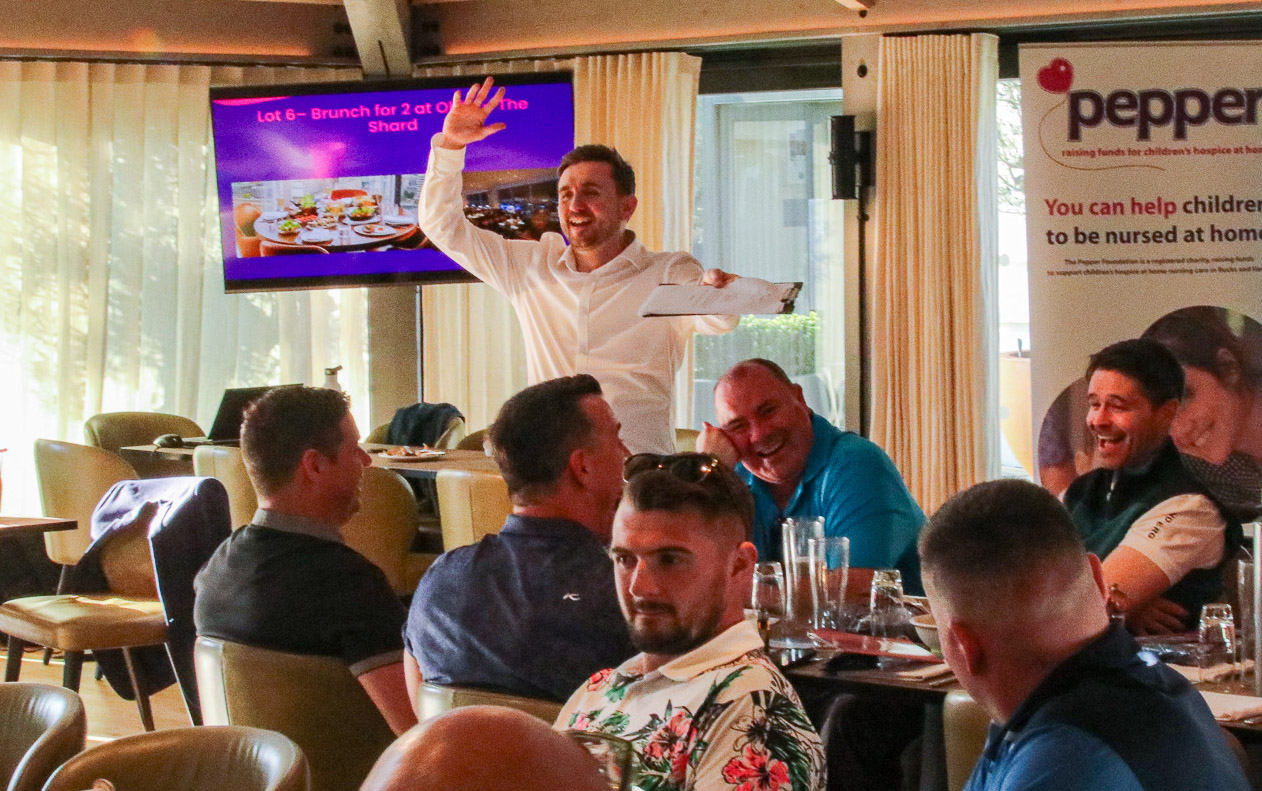
A charity bachelor auction sells a date, evening out, or shared experience with a willing, consenting participant, with the proceeds going to the cause, structured and run in the same way as a live lot auction with a professional handling the bidding.
The participants are volunteers, usually recruited from the organisation’s own network or community, who have agreed in advance to take part and understand exactly what they are offering. What is being sold is the experience itself, a dinner, an activity, an evening out, never the person. Getting that framing right from the outset is what keeps the format fun rather than uncomfortable.
Which audiences does this format actually suit?
A bachelor auction suits younger, social donor bases and causes with a lighter, more playful tone, and it tends to underperform at formal galas or with audiences who expect a more traditional, dignified evening.
I have seen this format land brilliantly at the right event and fall flat at the wrong one, and the difference is almost always the audience, not the execution. A room that came expecting fun and social energy will embrace it. A room that came expecting a formal black-tie gala generally will not, and forcing the format onto the wrong crowd does neither the cause nor the participants any favours.
How do you run a bachelor auction respectfully?
Run it respectfully by getting genuine, informed consent from every participant, keeping the framing about the experience rather than the person, and never allowing jokes or commentary that single anyone out or make light of them in front of the room.
This is a firm line for me. The energy should always be warm and inclusive, never at anyone’s expense. A good host builds excitement around the experience being offered, not commentary about the participant’s appearance or dating life. If a moment risks making someone the target of the room’s amusement rather than a willing part of the fun, that is the moment to redirect, not lean into.
What should participants know before agreeing to take part?
Participants should know exactly what experience they are offering, roughly what to expect from the room on the night, and that they have full control to set boundaries on what is and is not part of the package being sold.
A short conversation beforehand, covering what the experience actually involves and confirming the participant is genuinely comfortable, prevents almost every problem this format can run into. Nobody should discover on the night that the framing went further than what they agreed to.
When should you choose a straight auction or pledge drive instead?
Choose a standard live auction or pledge drive instead when your audience is more formal, when your cause suits a more dignified tone, or when you are not confident you can source willing, well-briefed participants.
In my experience, a well-run pledge drive or a strong lot-based live auction will outraise a bachelor auction at most formal galas, simply because they suit a broader range of donor moods. A bachelor auction is a specialist tool for a specific kind of room, not a default fundraising mechanic.
Fitting a bachelor auction alongside other fundraising segments
Yes. A bachelor auction typically works best as one lively segment within a broader evening, alongside fundraising games and a proper pledge drive, rather than carrying the entire evening’s fundraising on its own.
I would sequence it during a naturally social point in the evening, rather than opening or closing on it, so the energy it creates carries forward into whatever comes next rather than being the whole story of the night.
“The best thing that could have happened, engagement with the audience, banter with the audience. Great.”

Checklist for running a charity bachelor auction well
- Get real, informed consent from every participant, with a clear conversation about what is on offer.
- Match the format to your audience. A playful, social crowd suits it. A formal gala generally does not.
- Keep commentary about the experience, not the person. Warmth and fun, never at anyone’s expense.
- Brief your auctioneer or host on tone in advance, so nothing drifts into territory a participant did not agree to.
- Treat it as one segment of the evening, not the entire fundraising strategy.
Done right, a charity bachelor auction can be a genuinely strong, memorable fundraising moment for the right room. Done carelessly, it risks the one thing every good charity event depends on: everyone in the room, participants included, feeling good about being part of it.

Kevin Durham
Charity auctioneer & event host