Charity auctioneer
London auctioneer for charity events: how to hire the right one
Hiring a London auctioneer for a charity gala? What a charity auctioneer does, what to look for, how fees work, and why a pro beats a volunteer host.

In short
- A London auctioneer for a charity event is a different job from a saleroom or property auctioneer: the work is reading a room of donors and lifting the total on the night, not appraising lots.
- London runs one of the busiest charity gala calendars anywhere, which means the good dates and the good auctioneers get booked early.
- When you hire, look for real fundraising experience, checkable totals from past events, and someone who plans the evening with you rather than just turning up for the auction.
- Fees are bespoke, not off a price list. I work to your event, your audience and your budget, and the first consultation is free.
- A professional almost always out-raises a willing volunteer, often by enough to cover the fee several times over.
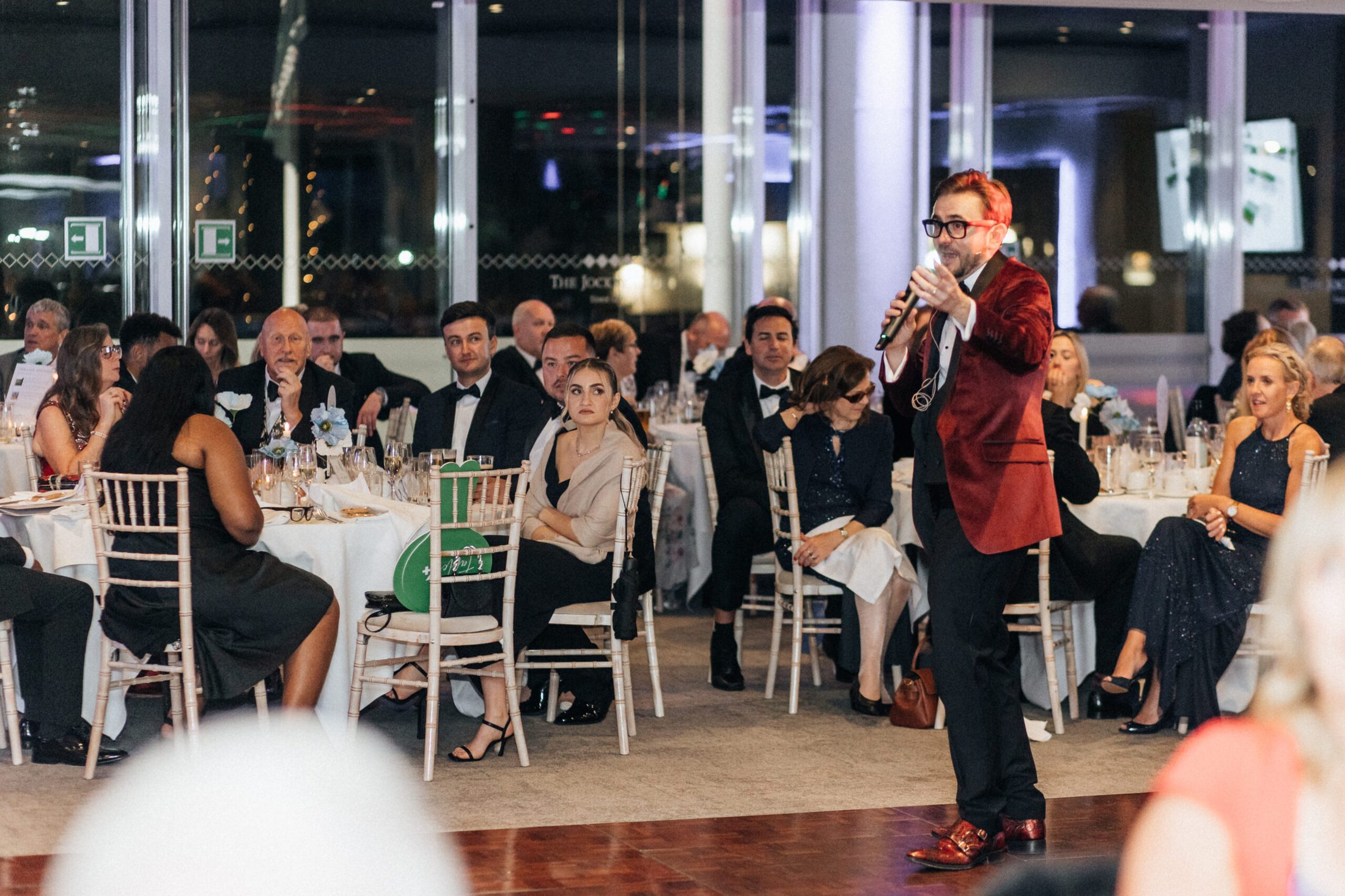
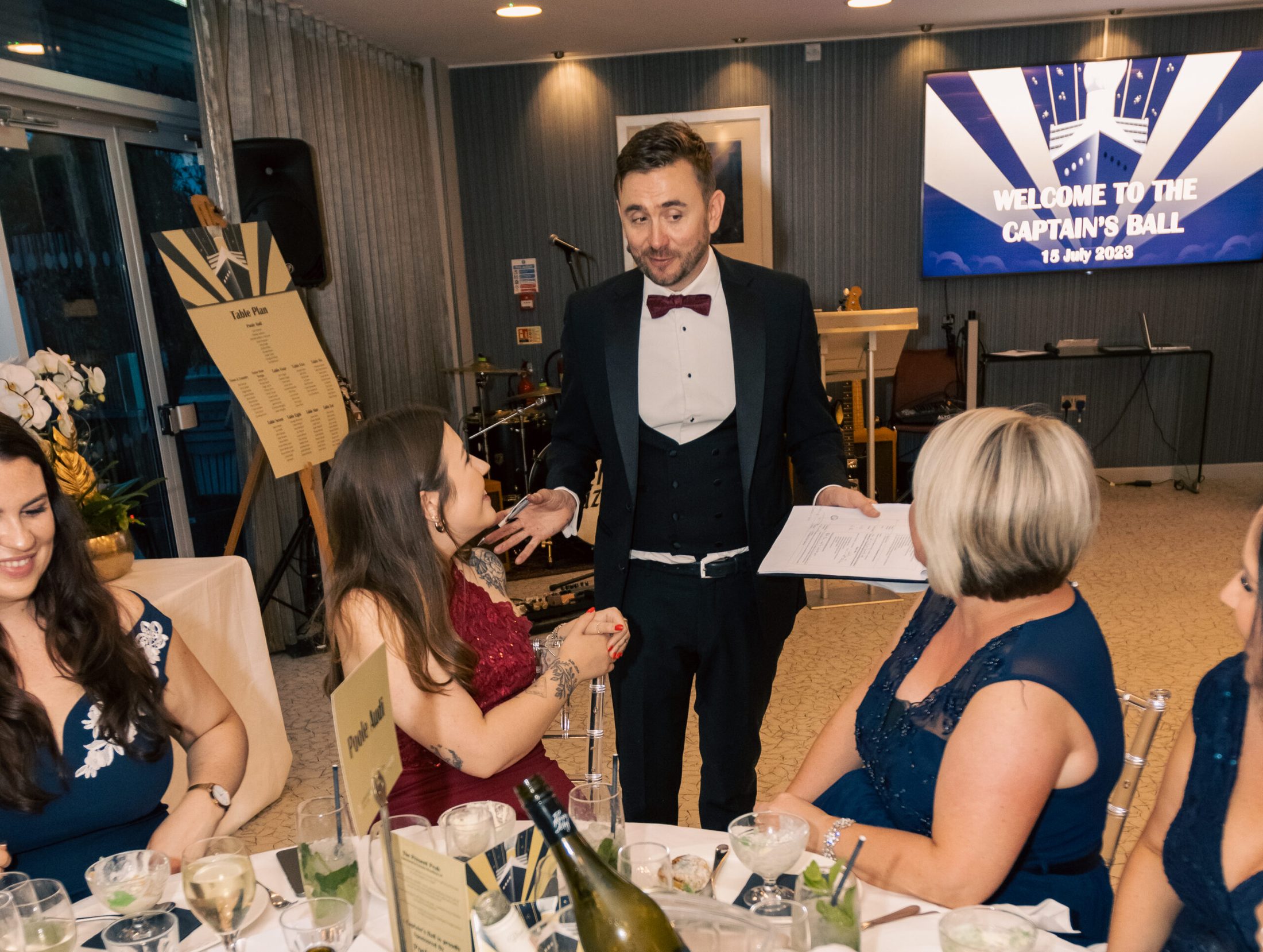
If you are planning a fundraising gala in the capital and searching for a London auctioneer, it helps to know exactly what the role involves before you book anyone. I am Kevin Durham, a professional charity auctioneer and event host, and I have spent twenty years running live auctions and pledge drives at fundraising events, from London ballrooms to a Monaco gala that raised over €1,000,000 in a single evening. This is my honest guide to hiring the right person for a London charity event, what the job really is, and how to tell a genuine fundraising specialist from someone who simply owns a gavel.
What does a London auctioneer actually do at a charity gala?
A London auctioneer at a charity gala runs the fundraising heart of the evening: the live auction, the pledge or fund-a-need, and often the games and lighter moments that build the room towards the big ask. The job is not selling objects. It is reading a room full of supporters and turning goodwill into a total on the night.
That is worth spelling out, because the word “auctioneer” covers two very different trades. A saleroom or property auctioneer is judged on hammer price against a valuation. A charity and event auctioneer is judged on how much a room of guests gives across a whole evening. The gavel is the only thing the two roles share.
On the night, my work usually breaks down into a few pieces:
- Setting the pace. Warming the room early, then building energy so the auction lands when guests are most engaged, not when they are still finding their seats.
- Selling the lots, not reading them. Five to eight strong lots, well sold, can out-raise everything else combined. The skill is in the selling.
- Running the pledge. One clear, emotional ask at tiered giving levels. In my experience the pledge often out-earns the auction itself.
- Holding the momentum. Bidding momentum is a skill, not luck. Naming it and using it is what separates a good total from a great one.
Get that sequence right and the same room gives far more. One client came to me with a target they thought was ambitious, and by the end of the night we had raised double it. Nothing about the guest list changed. The structure and the selling did. You can see the full scope of what I cover in my auctioneer services.

Inside London’s charity event scene
London runs one of the densest charity calendars in the world, and that shapes how you should hire. In any given week across the city there are gala dinners, balls, awards evenings and corporate fundraisers competing for the same guests, the same sponsors and, quietly, the same short list of experienced auctioneers.
Two things follow from that. First, the good dates fill early. Peak season, roughly autumn through to Christmas and then the spring ball run, gets booked months ahead, so the sooner you have your auctioneer confirmed, the better your choice of who is actually free.
Second, London audiences are experienced. Many of your guests have sat through other galas, so a flat auction read from a script is quickly spotted and quietly ignored. A room of London donors responds to someone who can hold their attention, move at the right pace, and make the ask feel personal rather than processed.
The venues vary enormously too, from a Mayfair hotel ballroom to a livery hall, a museum, or a marquee on a lawn. Each has its own acoustics, sightlines and rhythm. Part of my job is adjusting to the room so the fundraising works whether there are 80 guests or 800.
The causes are just as varied. In a single London season I might host a hospital charity dinner, a children’s foundation ball, an arts gala and a corporate fundraiser, each with a very different audience and a very different emotional register. What carries across all of them is the same craft: understanding who is in the room, what they care about, and how to build to the ask without ever making generous people feel cornered. A London gala rewards preparation, and it punishes a one-size-fits-all script.
Where in London have I worked?
I have run charity auctions and pledge drives at venues right across the capital, from Mayfair hotels to City livery halls. A few of the London rooms I have worked in give a sense of the range:
- Grand hotels and members’ clubs: the Royal Lancaster London, The Montcalm in Mayfair, The Chancery Rosewood on Grosvenor Square, and the rooms of the RAC Club on Pall Mall and The Hurlingham Club by the river.
- Livery halls and landmark rooms: Drapers’ Hall in the City, and the De Vere Grand Connaught Rooms on Great Queen Street.
- Restaurants and stadiums: The Cinnamon Club in Westminster, Benares in Berkeley Square, and StoneX Stadium in Hendon.
The causes have been just as varied: children’s charities such as World Child Cancer UK and Child Rights and You, the youth homelessness charity New Horizon Youth Centre, the forces charity Building Heroes, and the children’s charity Over The Wall. Different rooms, different audiences, one job: reading each room and lifting the total on the night.
“His energy was infectious and brought the event to life. His humour and ability to engage the crowd helped us raise more than we could have hoped for.”
Rachael Messer, London charity quiz evening
“I have now worked with Kevin twice. At both events he completely elevated the fundraising and kept all the guests engaged.”
Cerys Dawson, Noah’s Ark Children’s Hospice
What should you look for when hiring a London auctioneer?
Look for a London auctioneer with genuine charity fundraising experience, checkable results, and a habit of planning the evening with you rather than just appearing for the auction. Location on a map matters far less than most people expect.
Here are the checks worth running before you book anyone:
- Fundraising experience specifically. Ask whether they have run charity galas, pledge drives and fundraising dinners, not just corporate hosting or general sales. It is a distinct skill set.
- Real numbers, not warm words. Ask for actual totals from past events. A serious auctioneer can talk you through what a comparable room raised and why.
- A proper consultation. The best sign of a professional is that they want to understand your audience, your lots and your programme before the night. If someone only turns up on the day, that tells you something.
- The right lots, sourced well. Ask how they help shape the lots. Sourcing strong experiences in-house, rather than leaning on donated tat, keeps more of the money with the charity.
- Reviews you can read. Independent, named feedback from organisers beats a polished bio. You can read my client reviews from events of very different sizes and causes.
One point that surprises people: the auctioneer does not need to be based in London. Professional charity and event auctioneers travel to the event rather than working from a single local base, so who is available and experienced for your date matters more than who is nearest your postcode. I work across London, the wider UK, Europe and the US, and I have written more about why proximity matters less than it seems for an auctioneer near me.
How much does a London auctioneer cost?
The honest answer is that a London auctioneer is priced bespoke, not from a fixed rate card, because the right fee depends on the event. A small charity dinner and an 800-seat gala with a full pledge drive are simply different jobs, and quoting one number for both would do you a disservice.
A few things shape the fee:
- The scale and format of the event. Guest numbers, whether you want a live auction, a pledge, games, or full hosting across the evening.
- The date and season. Peak autumn and ball-season dates are in high demand, so booking early gives you both a better rate of availability and a calmer planning run.
- How much planning is involved. Shaping the lots, structuring the running order and briefing your team is often where the biggest gains come from, and that work happens well before the night.
What I will not do is pretend there is a flat price, or promise a specific amount you will raise. Nobody honest can guarantee a total. What I can tell you is that on a well-run night the auctioneer’s fee is usually a small fraction of what the auction and pledge bring in.
The simplest way to find out is a conversation. I offer a free initial consultation, with no obligation, so we can talk through your event and I can give you a clear, tailored idea of cost. You can start that on my charity auctioneer services page.
Why a professional beats a volunteer host
It is tempting to save the fee and ask a confident committee member, a local celebrity or the chair to run the auction. I understand the instinct, but in my experience it is usually a false economy, and I have been called in the following year to fix exactly that.
The problem is rarely nerves. It is that selling a room is a craft. I have watched warm, generous London audiences give a fraction of what they could, simply because the auction was read out rather than sold, or the pledge was mumbled rather than built. The lots were fine. The cause was worthy. Nobody drove the room when it mattered.
A professional does several things a volunteer typically cannot:
- Builds and reads momentum. Knowing when to push, when to slow down and when to close is the difference between a lot selling for its value and selling for double.
- Runs a real pledge. A structured fund-a-need at tiered levels is where the biggest single jumps in the total happen, and it takes practice to land well.
- Protects the room. Keeping the energy up, the pace right and the ask dignified, so guests enjoy giving rather than feeling squeezed.
- Takes the pressure off your team. Your committee has enough to run on the night without also carrying the fundraising moment that decides the whole total.
That is the real trade. The fee is known and modest. The cost of an under-sold auction is invisible, because you never see the money that quietly stayed in the room. Across my career I have helped raise well over £10 million, and the recurring lesson is the same: momentum is a skill, and it pays for itself.
Ready to talk to a London auctioneer?
If your event has a live auction or a pledge in it, then yes, it is worth talking early, because that is the moment your whole night’s total is won or lost. The sooner we speak, the more I can help shape the lots and the running order, not just turn up and sell.
Whether your gala is in a Mayfair ballroom, a museum or a marquee, I would be glad to talk it through. I offer a free initial consultation with no obligation: bring your date, your audience and the number you are hoping to reach, and we will work out how to give it the best possible night. You can hire an auctioneer or start with a conversation, whichever suits you.
Beyond the capital I regularly work across the wider South East, including Surrey, Hertfordshire and Essex.
Let’s talk
Bring this to your event
Book a free consultation with a charity auctioneer who has raised over £10 million.