
Live charity auctions
The auction that beats the target
High-energy bidding, sharp banter and momentum built on purpose. This is the headline moment of the night, and where a professional makes the clearest difference.
- Five to eight lots, run tight
- Room and phone bids in one lot
- Planned weeks out, not on the night

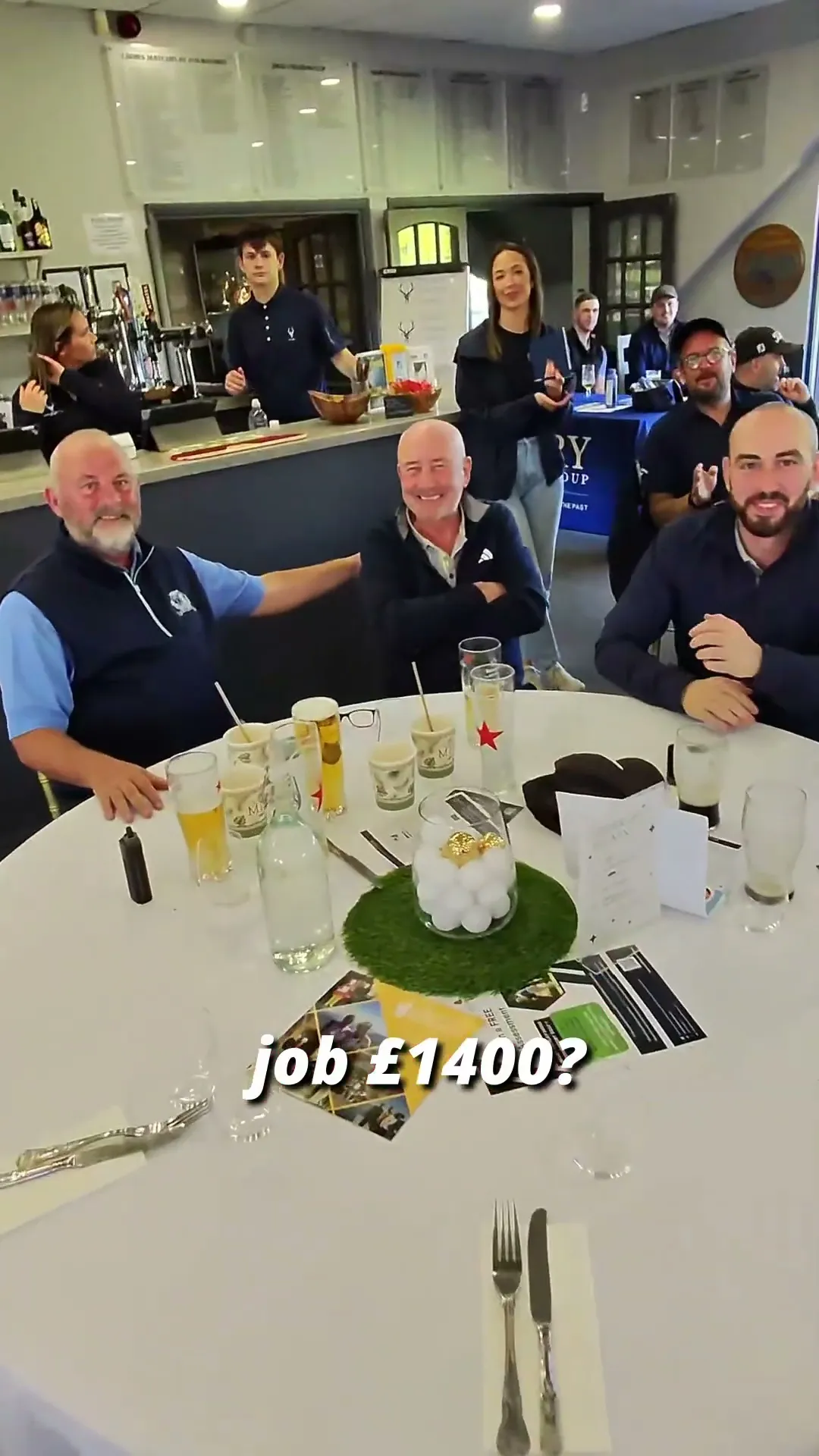
- £27,000from Jigsaw Trust’s live auction, against the £14,000 they expected.
- ×3three times last year’s fundraising at the Manchester Airport Group charity ball.
- £4,200for a Tuscany stay that opened at £2,200 at The Hurlingham Club.
- £1,100for a spa day lot the charity hoped might make £500.
The showreel
See me work a live auction
A run of clips from real charity auctions: the energy, the bidding wars and the moments that lift the total.

What changes
What actually happens when a professional takes the room
Most charity auctions leave money on the table. Not because the lots are wrong or the room is cold, but because nobody is driving the room. A professional auctioneer reads momentum, names it out loud, and uses it.
“He owned the room as he conducted the live auction, more than doubling our target.” — Naomi Chaning Pearce, Jigsaw Trust
The numbers behind that quote: Jigsaw Trust expected £14,000 from their live auction. The auction itself raised £27,000, and the live pledge that followed, one they had not even planned for, brought in a further £30,600. That is where the real money in a gala night often lives.
- 01Lot sequencing
Lot sequencing that builds energy rather than draining it.
- 02Pacing
Pacing that handles slow bidders without losing the room.
- 03Social proof
Social-proof techniques that turn one bid into a bidding war.
- 04Any size of room
Confidence with an audience of twenty or two thousand.
Lot by lot
Watch a lot climb past its reserve
Real lots, filmed on the night. The first two groups follow single lots from opening bid to hammer. Tap any clip to play it here.
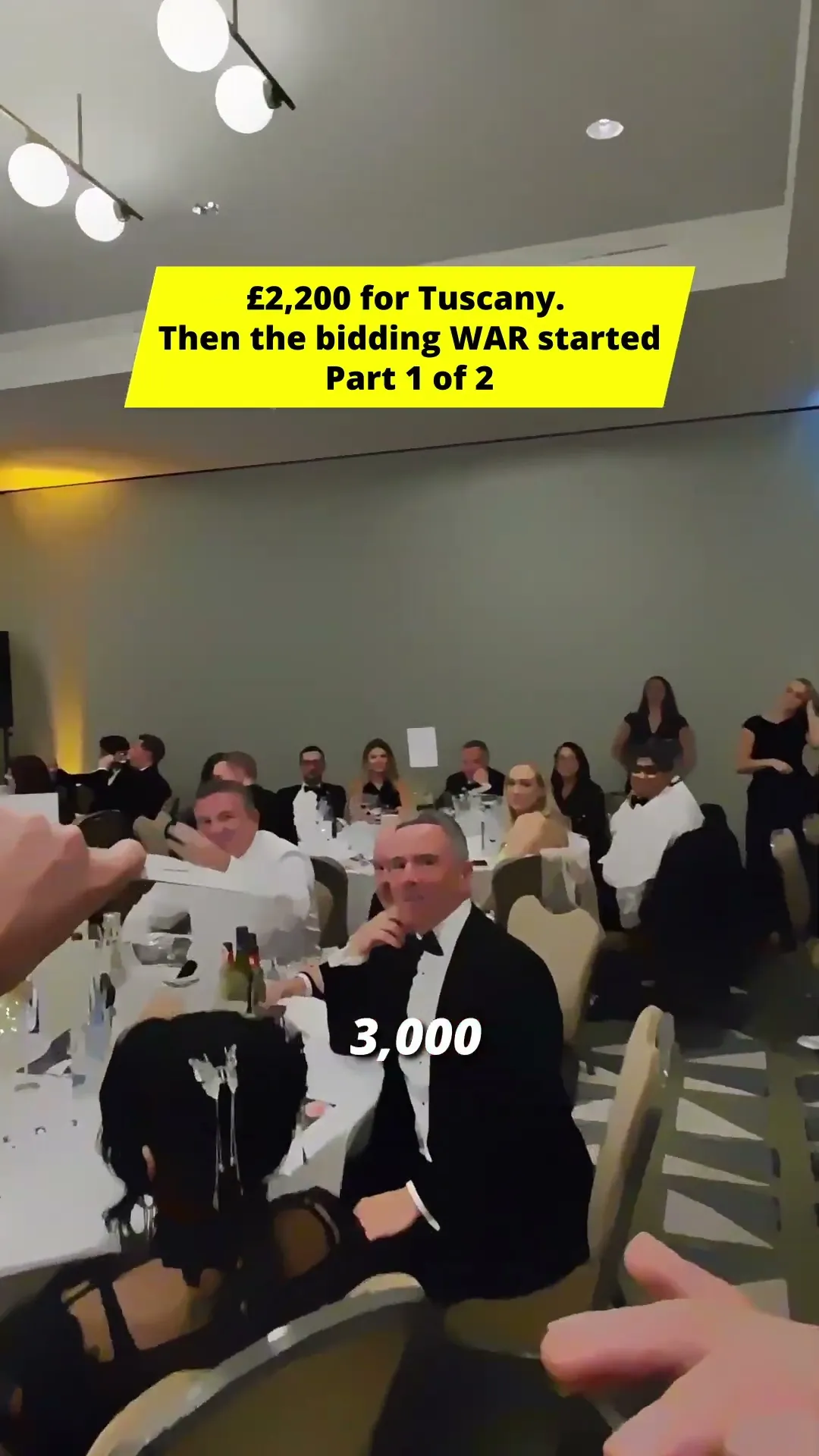
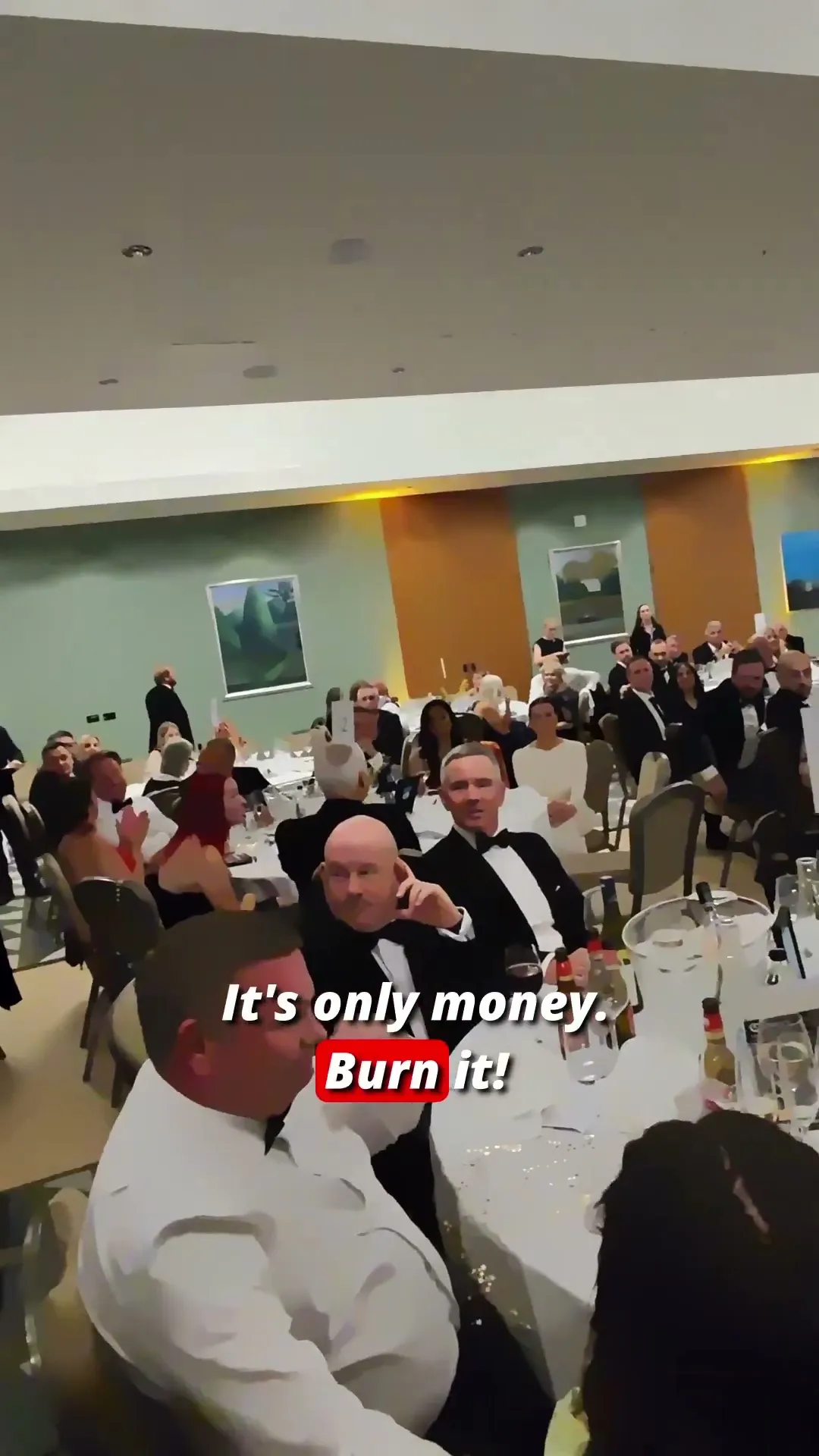
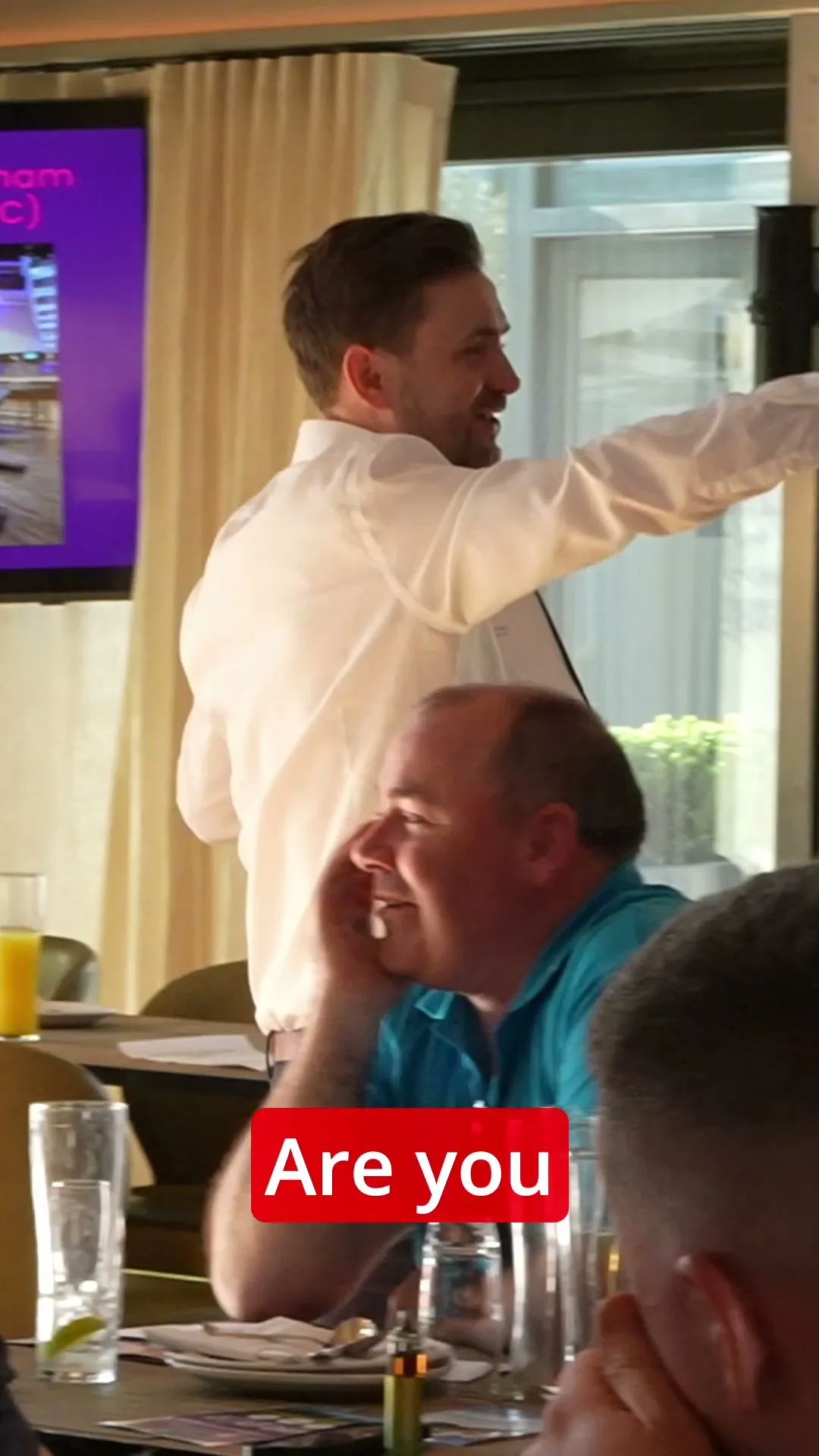
Lot 5, Tuscany, for World Child Cancer at The Hurlingham Club
A five-star stay in Cortona for four. Opened at £2,200, looked finished at £4,100, and then a hand went up at the back.
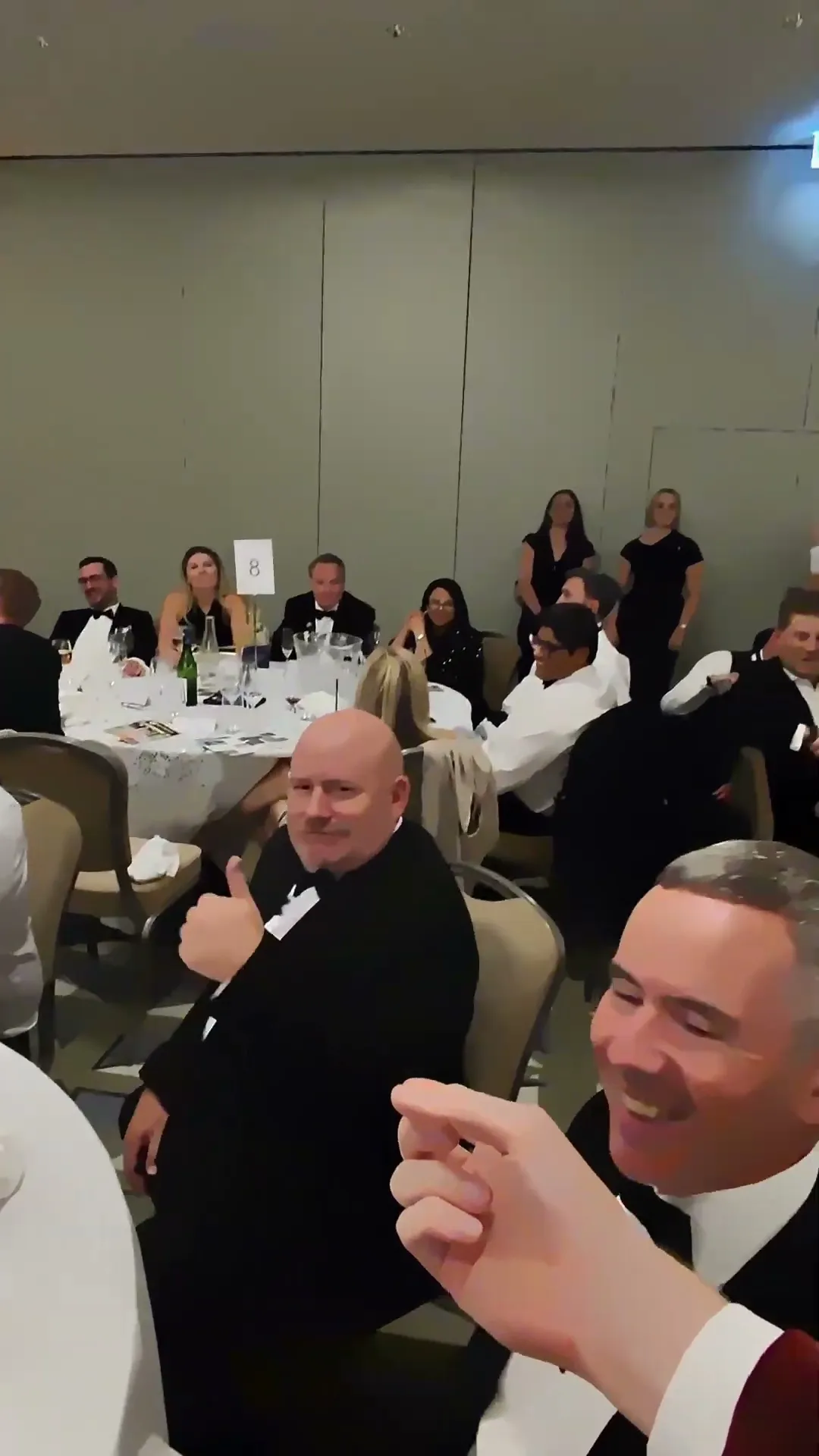
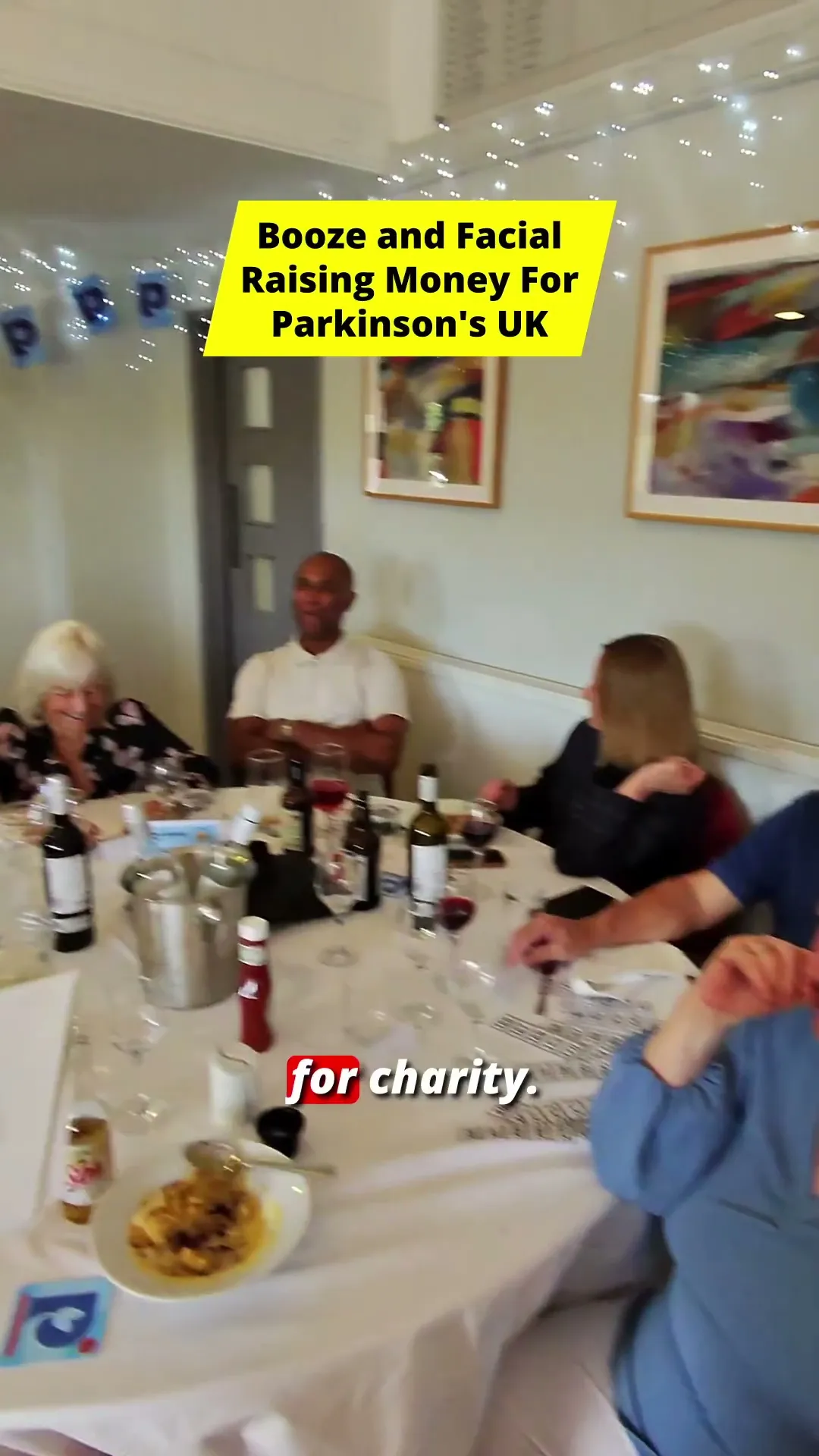
Lot 2, the spa day, same night
Two friends at different tables. A lot the charity hoped might make £500 closed at £1,100, and then I sold a lunch twice.
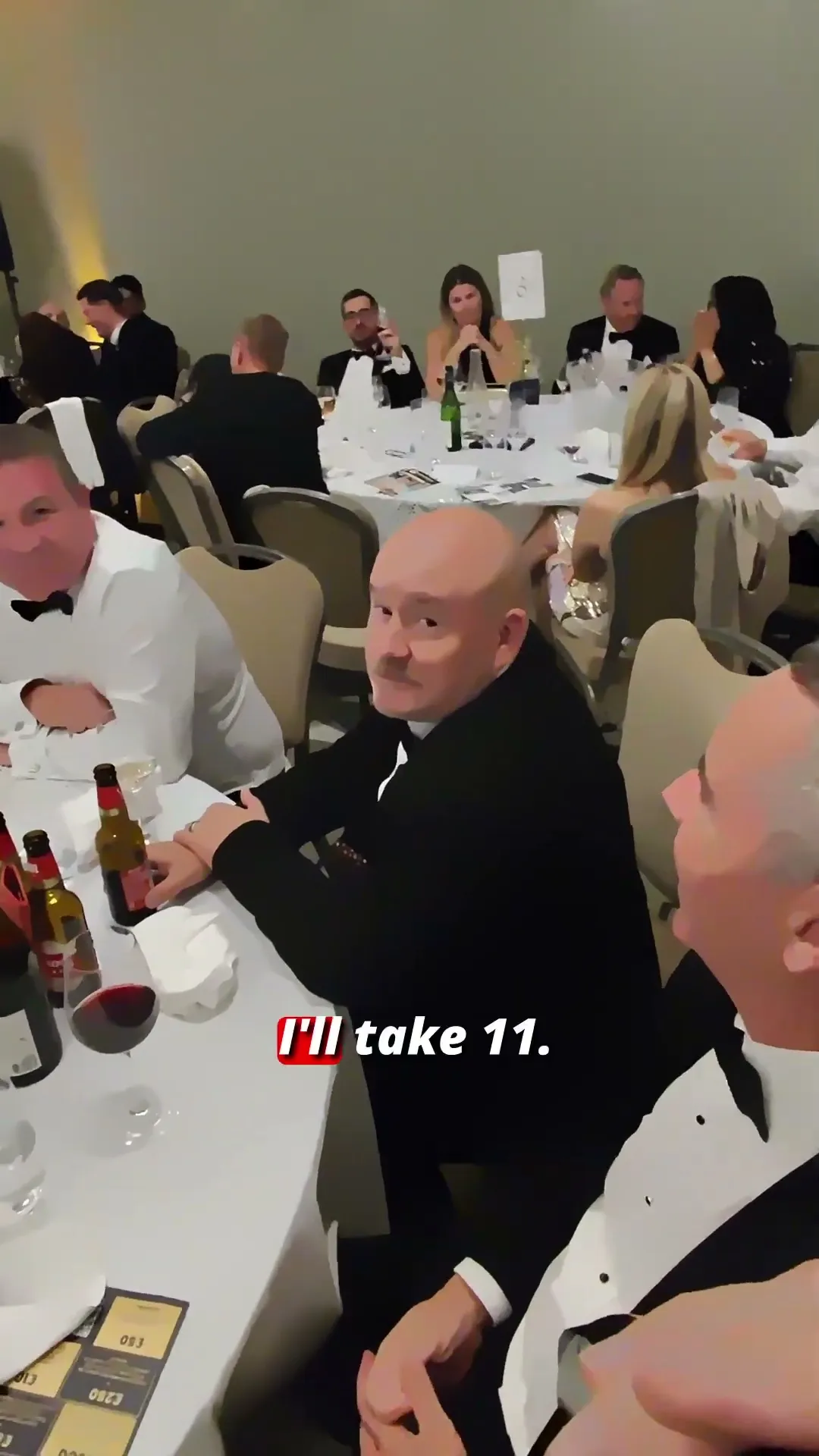
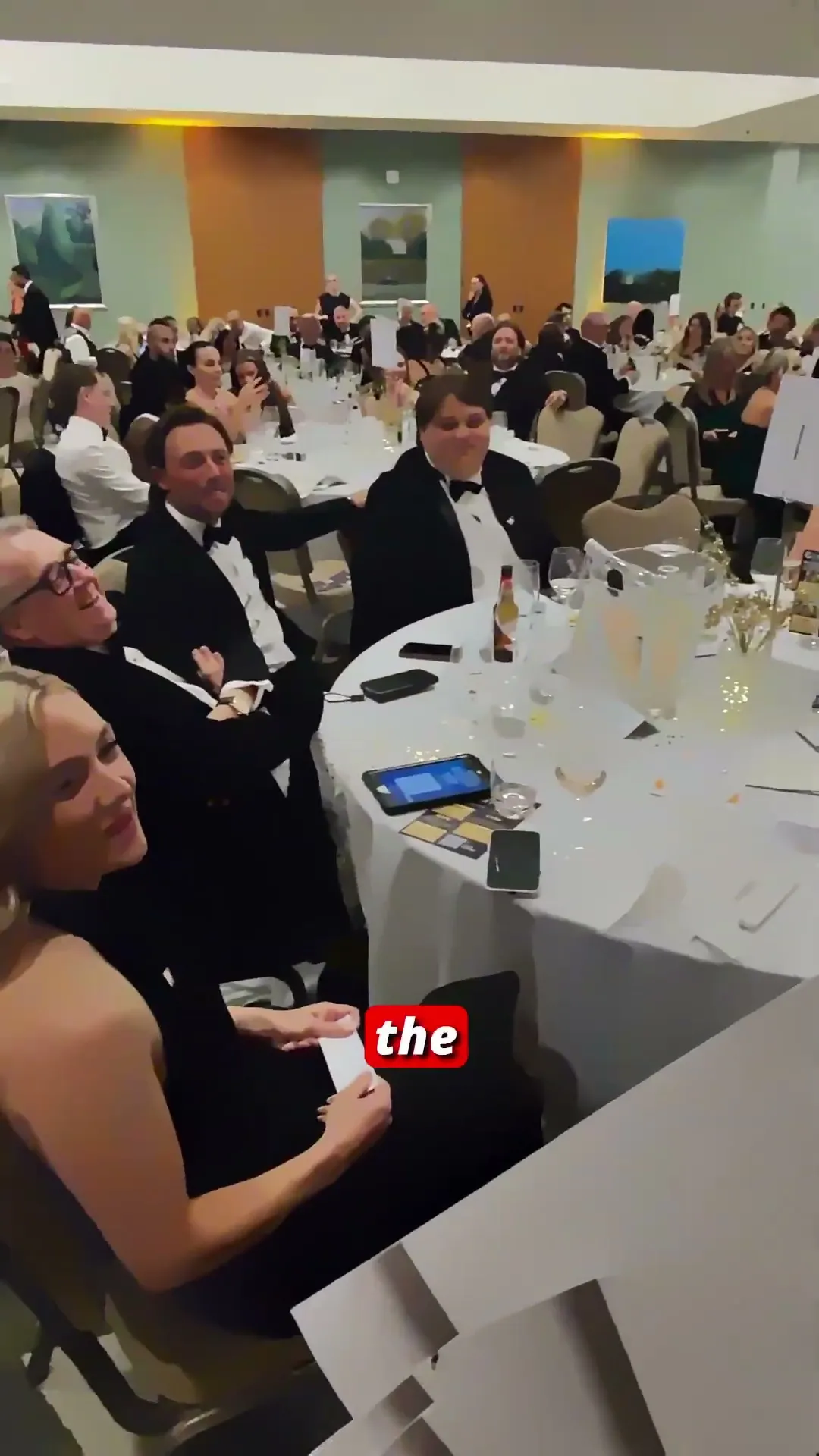
Bidding wars
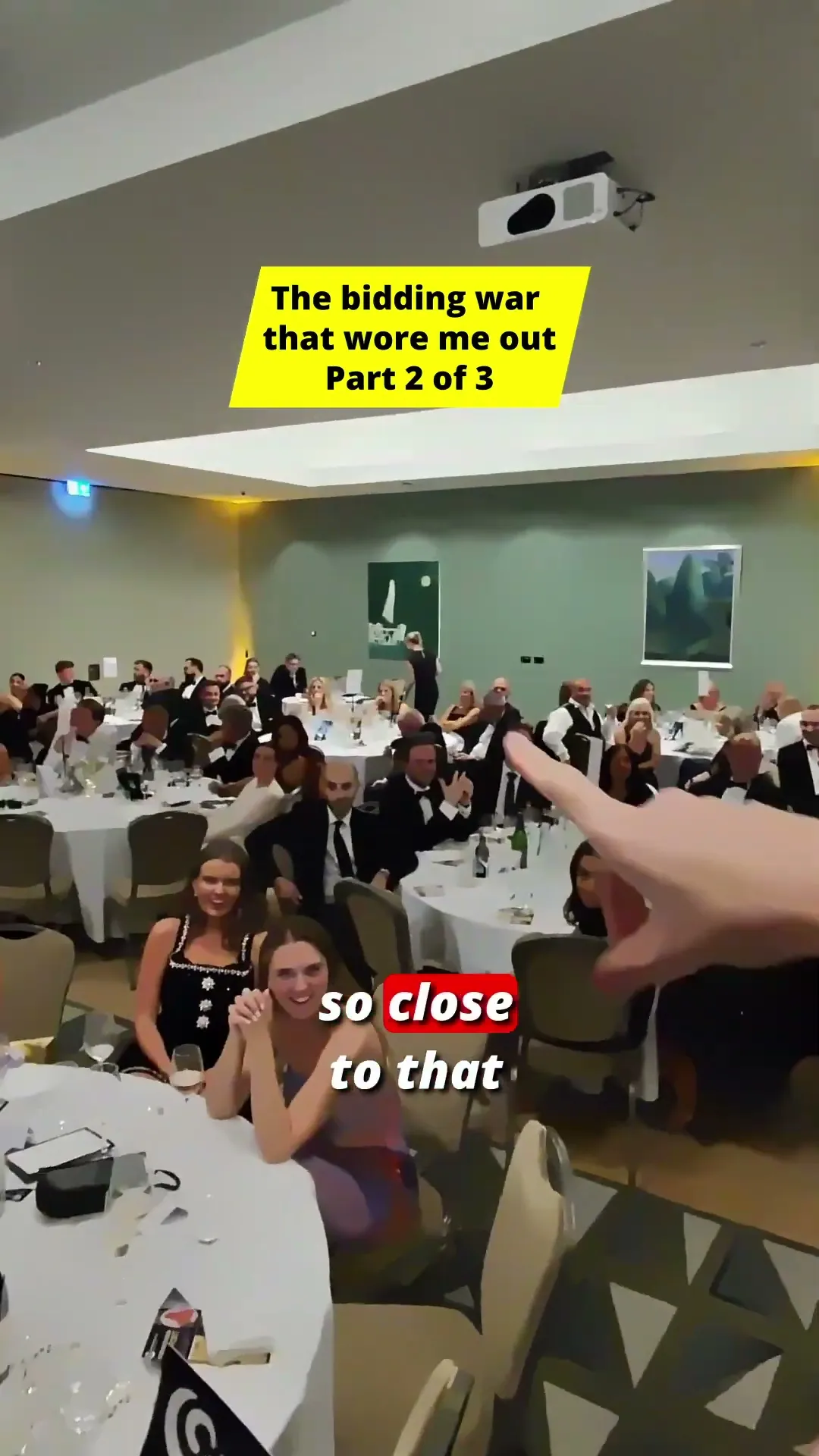
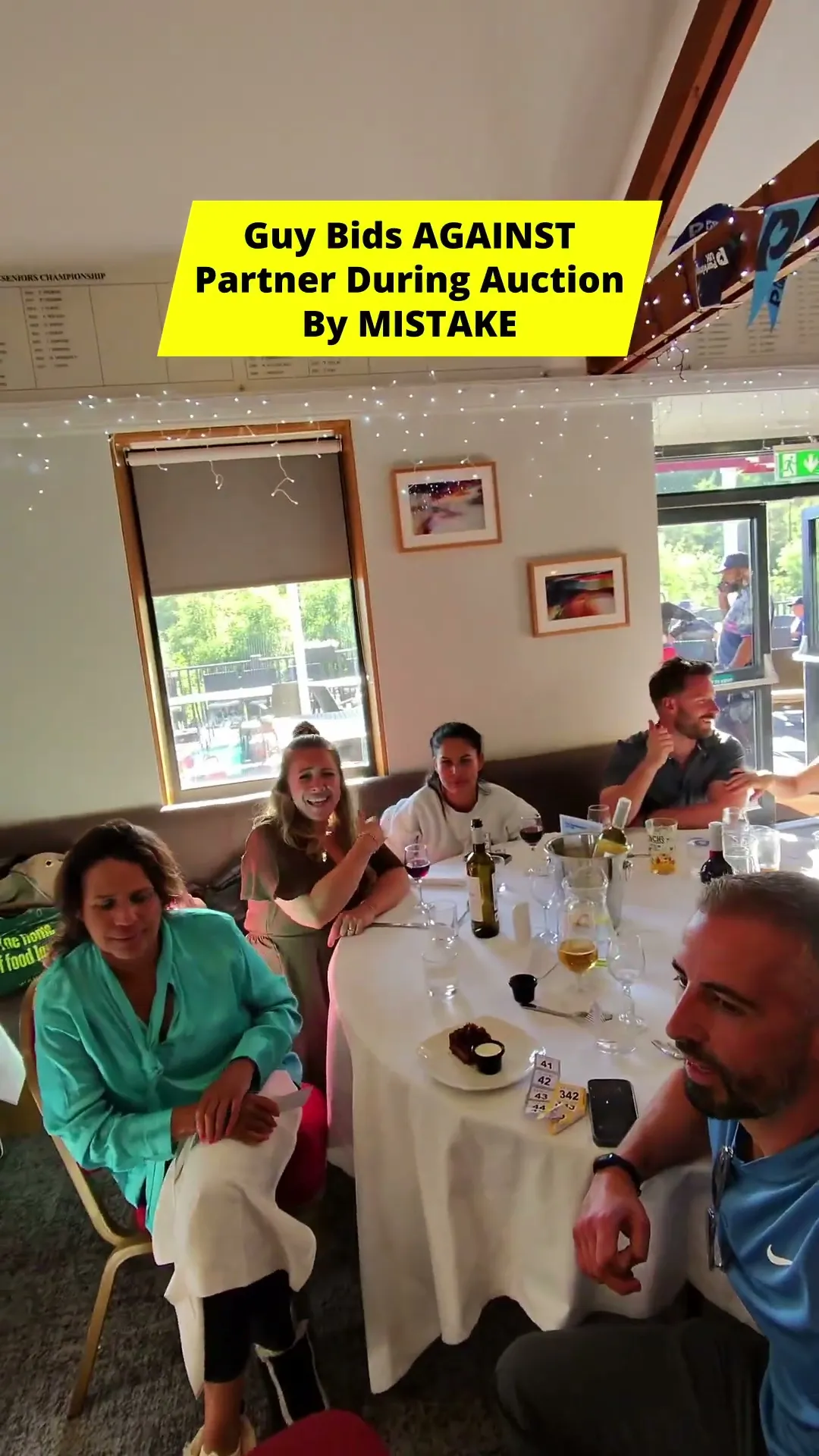
The moment one bid becomes two, and two become a contest the whole room is watching.

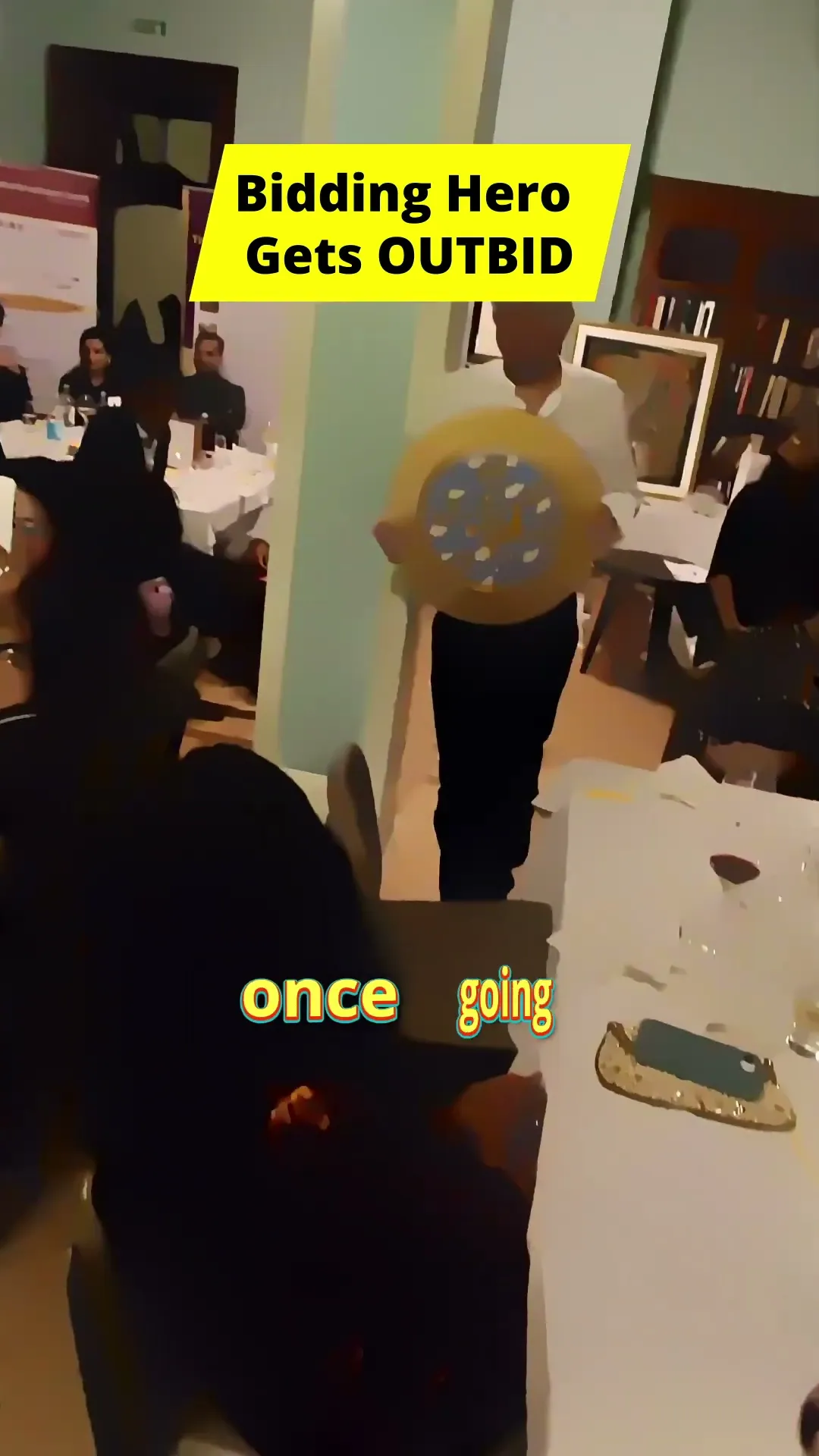
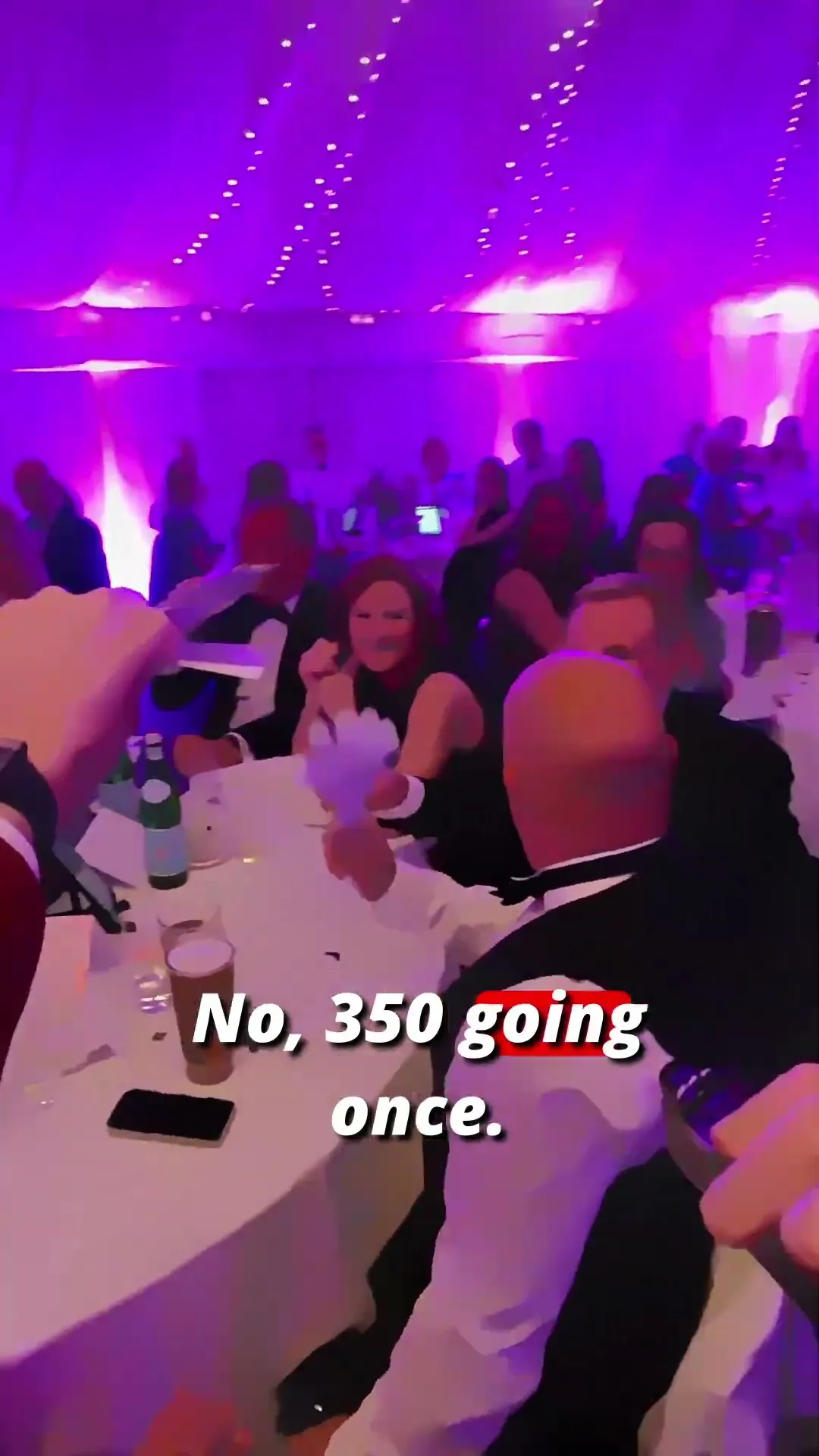


Working the room
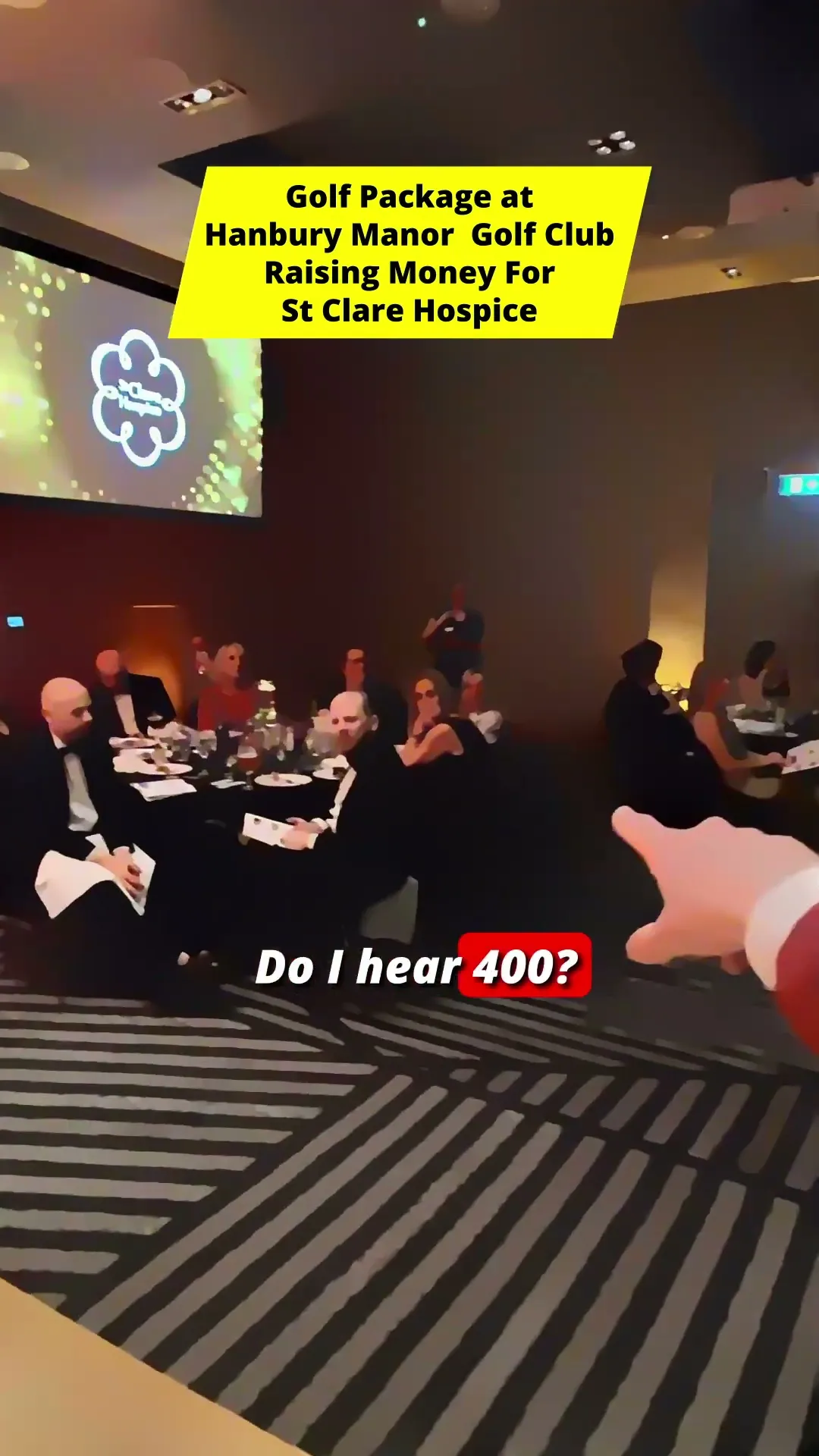
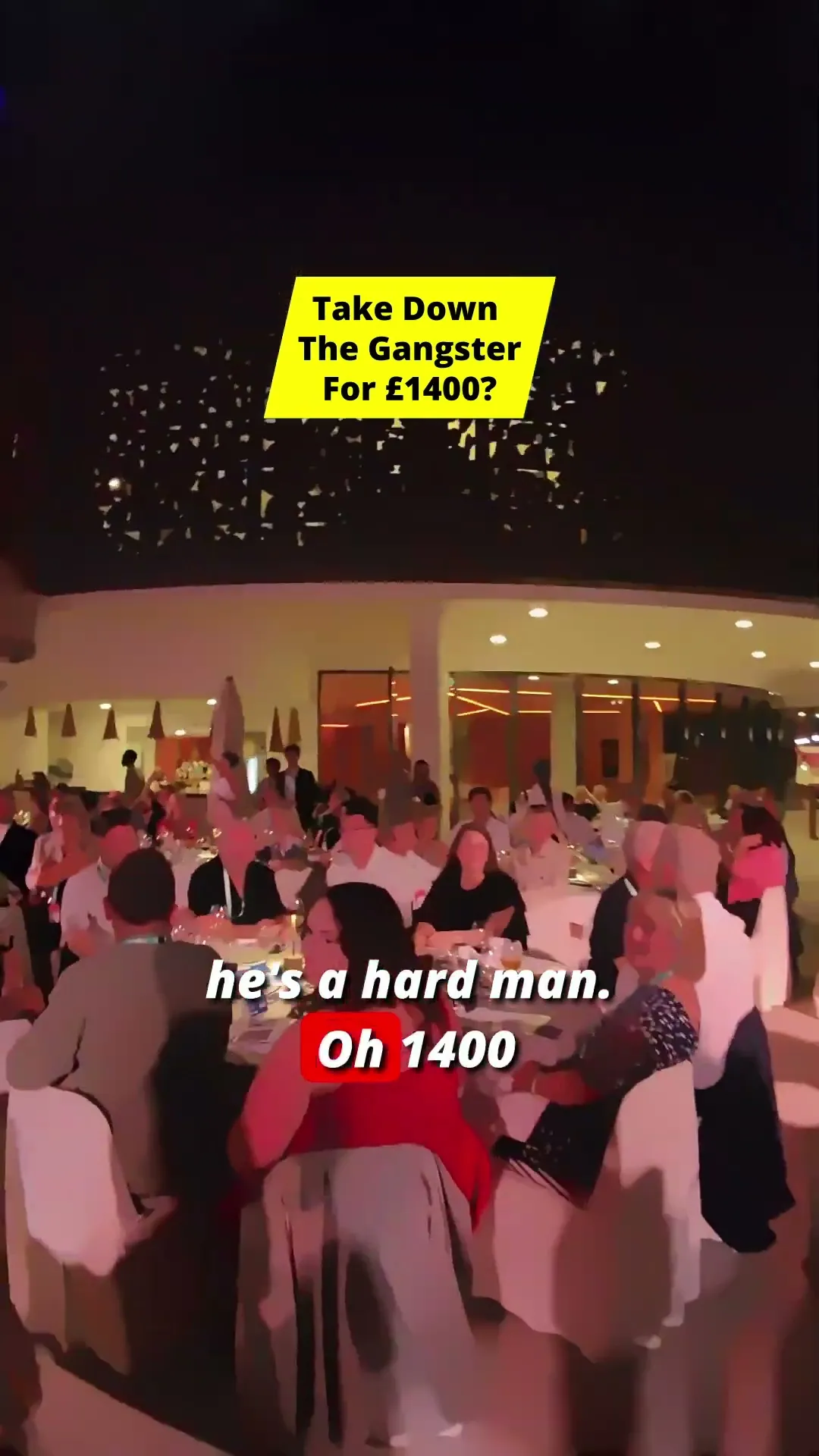
The banter is not decoration. It is how a slow lot finds its bidder and a noisy room goes quiet for the number that matters.


The running order
How a live charity auction actually runs
The auction is about twenty five minutes of the evening, but its result is decided by the ninety minutes around it. This is the shape I plan towards, and I will adapt it once I know your room.
- EarlyWarm the room early
Something light and cheap to enter, usually heads or tails, so the first time anyone reaches for a wallet it costs a fiver and gets a laugh. That matters more than the money it raises, because it establishes that this is a room where people take part.
- DinnerLet dinner breathe
Bidding into a main course does not work, and neither does an auction that starts before people have found the person they came to talk to. I would rather lose ten minutes of programme than run the auction into a room that is still settling.
- 20 to 40 minRun the auction tight
Five to eight lots, twenty to forty minutes, no dead air between them. Then, at the warmest point of the night, straight into the live pledge. The pledge follows the auction because the auction has just proved the room has money and is willing to spend it.
- Not 10.30pmPut the auction where the people are
The single most common mistake I am asked to fix is an auction placed after the speeches and the awards, at half past ten, when a third of the room has gone to the bar. Put the auction where the people are.
The catalogue
How many lots should a live auction have, and which ones?
Fewer than you think. Five to eight is the working range, and I have run nights with four that beat their target comfortably. A long catalogue does not raise more, it raises less, because every weak lot that limps to a single bid teaches the room that not bidding is fine.
What sells in a live auction is usually not a thing. It is an experience nobody can buy on a website: a box for a match, a private dinner cooked in someone’s home, a week in a house that is genuinely someone’s house. Money-can’t-buy is an overused phrase, but the principle holds. If a guest can find your lot online with the price attached, the bidding stops at the price.
Sequencing does real work too. I open with something accessible enough that a lot of hands go up, because the number of bidders in the first lot sets the tone. The strongest lot goes second from last, not last, so the room is still full when it runs. And I will happily tell you to cut a lot from your catalogue if I think it will break the momentum, which is a conversation better had three weeks out than on the night.
On reserves: keep them low or leave them off. A reserve that is set at the value of the item, rather than below it, is a common reason a good lot fails in the room. There is more on this in my guide to reserve prices at a charity auction, and on choosing lots in best auction items for fundraising.

Where the money goes missing
Where live auctions lose money
I get asked what separates a night that beats target from one that quietly misses it. It is rarely the lots, and it is almost never the generosity of the room. These are the four causes I see most.
None of these are exotic problems. They are all fixable in a planning conversation, which is why most of my work on a booking happens before the night rather than on it.
- The auction is scheduled too late.
Every twenty minutes past ten costs you bidders. If the running order has drifted, I would rather shorten the auction than move it later.
- Nobody explained how to bid.
A room that is not sure whether to raise a paddle, shout, or wave a phone will do none of them. Thirty seconds of clear instruction before the first lot is worth several thousand pounds.
- The lots are all aimed at the same wallet.
Six premium travel lots means the same four people bid six times and everyone else watches. Spread the price points.
- The pledge is treated as an afterthought.
At Jigsaw Trust the pledge raised more than the entire auction did, and it was not originally in the plan. Build it in from the start.

Room and phone, one lot
Bidding in the room and on a phone, in the same lot
Plenty of your supporters will want to be part of the night without being in the room, and some who are in the room will still prefer to bid on a phone. The problem with running those as two separate auctions is that they compete against different prices, and the room never sees the pressure the online bidders are creating.
The auction software I built handles both in one lot at one price, so an online bid appears on the screen in the room and I can call it against the person standing in front of me. It also handles the part nobody enjoys, which is knowing who won what and getting paid, because every bid is already attached to a name and a card.
It is included when you book me rather than sold on the side, and if you would rather use your own platform that is fine, I will work to it. There is more detail on the auction software page, and on running the online side of a night on my virtual auctioneer page.
One practical note. Gift Aid adds 25p to every eligible pound on donations, including pledges, though it does not apply to the auction lots themselves where the bidder receives goods or an experience. It is worth getting the declarations right, and the GOV.UK guidance sets out where the line falls.
On the night
Lots on the block, in real rooms


After the auction
What charities say the morning after
After a live auction
We’ve had the most incredible evening tonight, and we’ve gone three times over on our fundraising from last year. An incredible man with such energy, what a superstar.

Temwa
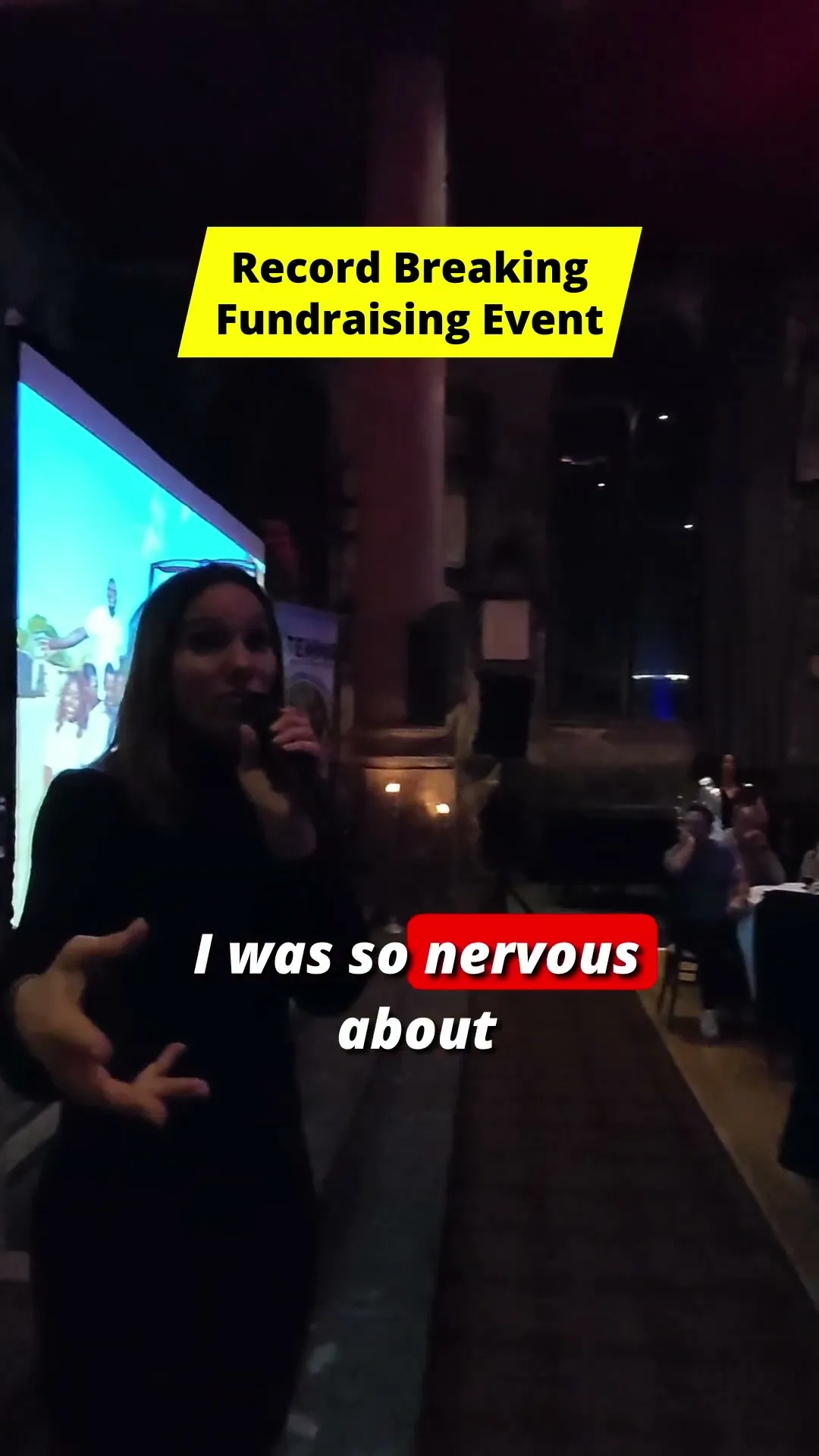
Tonight has been record-breaking in terms of how much money we made in the auction. I was so nervous about doing this live pledge. What an incredible auctioneer.JoTemwa
The Pallet Network
We hired Kevin to run our live auction and we raised a staggering amount of money. It was hilarious, stimulated the audience, and I highly recommend it.MichaelThe Pallet Network (TPN)

Make Events, Co-op Foundation
He had more bids and higher bids than we were expecting, and we sold everything. We made over £18,000 tonight, and the pledge really rallied people together. I really recommend him.KatieMake Events / Co-op Foundation
Questions
Frequently asked questions

Ask me directly. Send me your catalogue and your running order and I will tell you what I would change.
Ask KevinWhat does a live charity auctioneer do that a volunteer cannot?
A professional reads the room, paces the auction and builds momentum on purpose. That means handling slow bidders, starting bidding wars with social proof, and holding energy across a large audience, which is where the extra money on each lot comes from.
How many lots should a charity auction have?
Usually fewer than people expect. Five to eight strong, well-chosen lots run with energy almost always beat a long list that drains the room. I help you pick and sequence them in the planning stage.
How long does a live charity auction take?
Most live auctions run for about twenty to forty minutes, depending on the number of lots. I keep it tight so the energy stays high and the programme runs to time.
When in the evening should the live auction happen?
After the main course and before the speeches run long, which in practice usually means somewhere between half past eight and half past nine. The auction wants a full, fed, warm room. Every twenty minutes it slips later, you lose bidders to the bar and the smoking area, and you do not get them back.
Do we need reserve prices on the lots?
Usually low ones, or none at all. A reserve set at the retail value of an item is one of the most common reasons a good lot fails in the room, because the opening bid starts above where the bidding wants to begin. I would rather open low and let the room take it up.
Can people bid online during the live auction?
Yes, in the same lot at the same price as the room. Online bids come up on the screen and I call them against the bidders in front of me, so the two audiences push each other rather than running as two separate auctions. The software for this is included when you book me.
What if our guests are not wealthy?
Then the lots and the price points change, not the format. I have run auctions in rooms where the top lot went for a few hundred pounds and the night still beat its target, because the number of people bidding matters more than the size of any single wallet. A pledge with low tiers often does more in those rooms than the auction.
Do you charge a percentage of what we raise?
No. My fee is fixed and agreed before the event, so what the room raises on the night is entirely yours. You can see how that works on the fees page.
Let’s talk
Tell me about your event
A free initial consultation to talk through your goals, your room and your target. Available for events across the UK, Europe and the US.