
Reserve prices at a charity auction: when to set one, and when not to
In short
- A reserve price is the minimum a lot can sell for. Below it, the lot does not sell and stays with the charity or the donor.
- Reserves earn their place on high-value or high-cost lots, and on consigned lots where you have promised the supplier a floor.
- On most donated charity lots, no reserve plus a low, tempting opening bid raises more than a cautious reserve, because it protects momentum in the room.
- A lot that fails to meet its reserve does more than not sell. It flattens the energy and makes the next lot harder to sell too.
- On third-party consignment, the supplier’s reserve and mark-up can quietly skim your total. Know the numbers before you agree to the lot.
Every organiser I meet asks the same question at some point in the planning: should we put a reserve price on this? It is a fair question, and the honest answer is that a reserve price is a tool, not a safety blanket. Used on the right lot it protects you. Used on the wrong one it costs you money you will never see leave the room.
I have spent twenty years selling charity lots from the stage, from village hall dinners to a Monaco gala that raised over €1,000,000 in a single evening, and across that career more than £10 million for good causes. In that time I have watched far more totals suffer from over-cautious reserves than from lots going too cheap. This is my working guide to when a reserve price helps, when it hurts, and how to think about it lot by lot.
What is a reserve price at a charity auction?
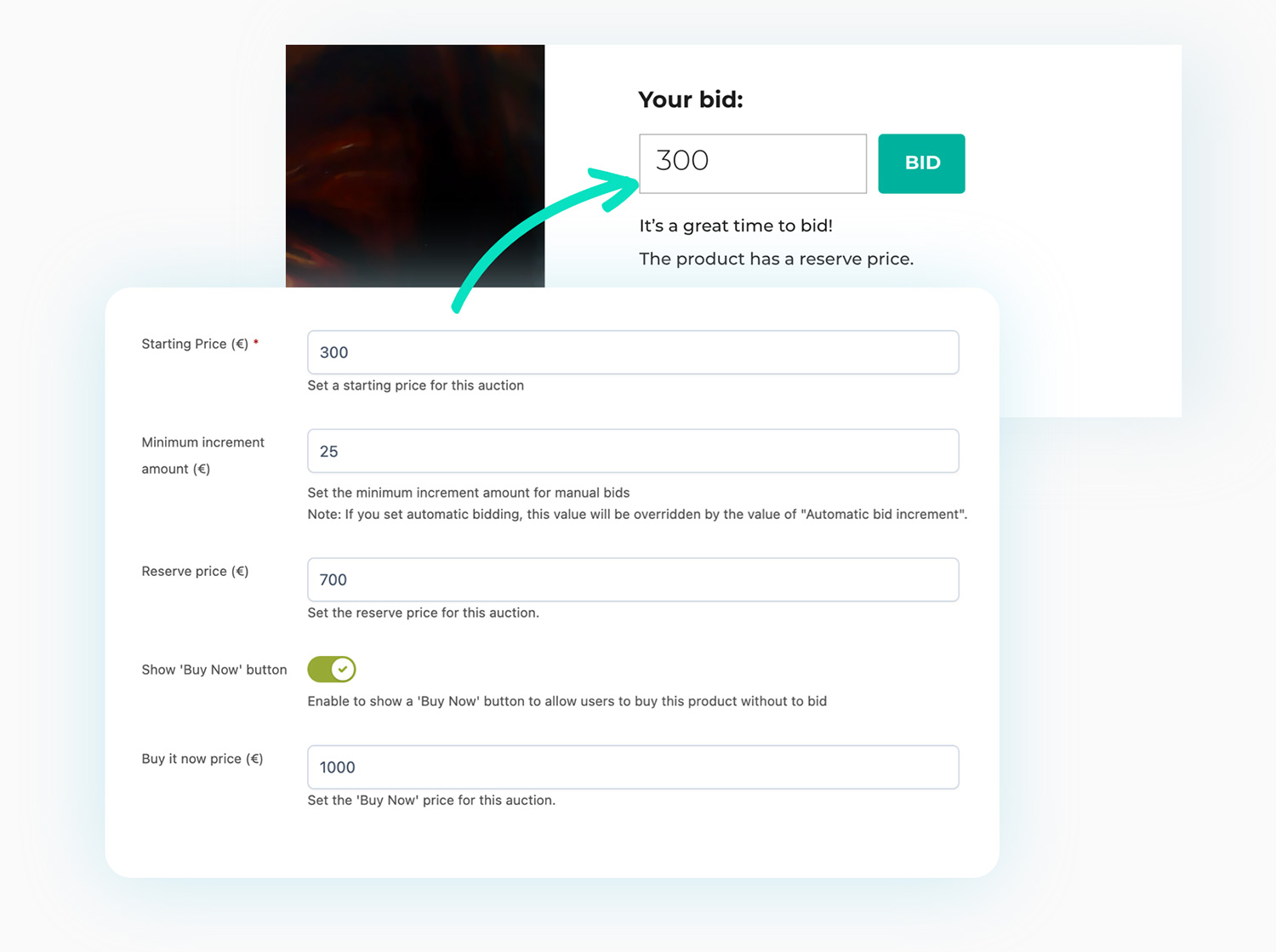
A reserve price is the lowest amount you will accept for a lot. If the bidding does not reach it, the lot goes unsold and stays with the charity or, on a consigned lot, goes back to the supplier. It is a floor, quietly agreed before the auction, that the winning bid has to clear for the sale to happen.
It helps to separate three numbers that people often blur together:
- The opening bid is where the bidding starts. Set it low and you invite more hands into the contest.
- The reserve price is the hidden minimum the lot must reach to sell. Bidders usually do not see it.
- The estimate or value is what you think the lot is worth, which is guidance, not a promise.
The mistake is treating the reserve as insurance against a lot going cheap. In a room with the right energy, a cheap-looking start is not a risk, it is bait. The reserve only matters when the bidding stalls, and by then the reserve is often the thing doing the stalling.
When does a reserve price make sense?
A reserve price makes sense when the downside of selling too low is real money, not just wounded pride. There are three clear cases where I will always advise one.
High-value lots where a runaway-cheap sale is a genuine loss. A week in a villa, a piece of art, a diamond: if two determined bidders do not turn up, you do not want it going for a tenth of its worth. A reserve set sensibly below the true value protects the charity without scaring the room.
Lots that cost the charity money to provide. If you have paid for the experience, or a sponsor has underwritten a hard cost, you need to at least cover that outlay. The reserve is there to stop the event losing money on a single lot.
Consigned lots where you owe the supplier a floor. When a third party lends you a lot on the basis that they receive a minimum, that minimum becomes your reserve whether you like it or not. More on that below, because it is where reserves get expensive.
Notice what these have in common. In every case there is a real, quantifiable loss if the lot sells too low. That is the test. If you cannot name the pounds you stand to lose, you probably do not need a reserve price at all.
When does a reserve price hurt your fundraising?
A reserve price hurts you most often on ordinary donated lots, where the only thing it protects is your nerves, and the thing it damages is momentum. This is the point most organisers get wrong, so it is worth being blunt about it.
Here is the logic. A donated lot has cost the charity nothing. Every pound it raises is profit. So the question is not “how do we avoid selling it cheap?” but “how do we get the most bidders fighting over it?” A low opening bid with no reserve does exactly that. It lowers the barrier, pulls more paddles into the contest, and lets competition, not caution, set the price.

I have lost count of the donated lots I have opened at a deliberately low figure and watched climb well past any reserve the committee had nervously suggested. The low start did not sell it cheap. It started a race. A reserve set above that opening figure would have killed the race before it began, because the early bidders who create the momentum are exactly the ones a high reserve locks out.
So on a straightforward donated lot my default is simple: no reserve, a tempting opening bid, and let the room do the work. The reserve you set to feel safe is usually the reason the lot underperforms.
What happens when a lot fails to meet its reserve?
When a lot fails to meet its reserve it does not just fail to sell, it drains the room, and the damage carries into the next lot. This is the hidden cost that never shows up in the accounts, and it is the reason I am so cautious with reserves.
An auction runs on momentum. Each successful sale lifts the energy a little, and that lifted energy is what makes the next bidder braver. A lot that is knocked down as unsold does the opposite. The auctioneer has to say the awkward words, the bidding deflates, and everyone in the room recalibrates downward. You have not lost one lot, you have taxed every lot after it.
That is why an over-set reserve is so expensive. The visible cost is the one lot that did not sell. The invisible cost is the three or four lots that sold for less because the room went cold. Protecting momentum is not a soft, atmospheric idea. It is the single biggest lever on your final total, and reserves are one of the easiest ways to break it.
Do reserves work differently on donated and consigned lots?
Yes. On donated lots a reserve is optional and usually best avoided, but on consigned or third-party lots a reserve is often baked into the deal, and it can quietly skim your total if you are not careful. The distinction matters more than almost anything else in this article.
- Donated lots belong to the charity outright. There is no floor you owe anyone, so you are free to open low and sell with no reserve. Every pound is profit.
- Consigned or third-party lots come from a supplier who wants a minimum return, often plus a mark-up on anything above it. Here the reserve is the supplier’s floor, not yours, and the charity only keeps what clears that floor.
The trap with third-party consignment is that a lot can look generous and still hand very little to the cause. Imagine a “money-can’t-buy” trip with a supplier reserve of £4,000. It sells for £4,500 in a room that felt like a triumph. The charity keeps £500. Your guests believe they gave £4,500 to the cause, and in spirit they did, but most of it went to the supplier. The reserve is doing its job for the supplier, not for you.
I am not against consignment. Some lots genuinely lift an event and draw bidders you would not otherwise reach. But go in with your eyes open. Ask what the reserve is, what the split is above it, and what the charity actually keeps at each price point. Whenever you can, source lots in-house or through donors instead, because a donated lot with no reserve keeps everything, and everything is a better split than a fraction.
How do reserve prices work in silent auction software?
In silent auction software a reserve price is usually a field you set per lot, hidden from bidders, and the platform simply refuses to confirm a sale below it. The mechanics are cleaner than a live room, but the judgement is exactly the same: use reserves sparingly, and only where a real loss is at stake.
A well-built platform lets you decide, lot by lot, whether a reserve applies, so you can put a floor on the one high-value item and leave every donated lot to run free. That control is the point. You want the option, not the obligation. Most lots in a silent auction will do better with a low starting bid and no reserve at all, for the same momentum reasons that apply on stage: an item showing early bids pulls in more.
This is one reason I built my own silent auction software, which is free to use when you hire me for your event. You set your own reserves where you want them, and there is no third-party mark-up sitting between your bidders and your cause. What a lot raises is what the charity keeps. When a supplier’s platform controls the reserve and the split, you have handed away the very lever this whole article is about.
My rule of thumb for most charity lots
If you take one thing from this, take my working rule: on a donated lot, no reserve and a low opening bid will out-raise a cautious reserve almost every time. I have tested that on stage for two decades, across hundreds of events, and it holds.
Reserve the reserve, if you will forgive the phrase, for the lots that truly need one:
- Genuinely high-value items where a freak-cheap sale is a real loss.
- Lots that cost the charity or a sponsor hard money to provide.
- Consigned lots where a supplier’s floor is part of the agreement.
For everything else, trust the room and the momentum. Set the bar low, let more people in, and let competition find the number. A reserve set to calm the committee’s nerves is not protecting your total, it is capping it.
Where a second opinion helps
Deciding which lots need a reserve price, and which will fly without one, is exactly the kind of call that is easier with someone who has made it a few thousand times. Get it right across a full lot list and the difference to your total is real.
If you would like to talk it through, I offer a free initial consultation through my auctioneer services. Send me your draft lot list and your target, and I will tell you honestly where a reserve price earns its keep and where it is quietly costing you money.

Kevin Durham
Charity auctioneer & event host
Let’s talk
Bring this to your event
Book a free consultation with a charity auctioneer who has raised over £10 million.