
In short
- Experiences consistently outbid objects, and there is solid research behind why.
- Genuinely unique, one-off lots outperform anything a bidder could buy elsewhere for a similar price.
- Sourcing lots in-house rather than through a commission-based supplier keeps far more of the final bid with the charity.
- A weak lot on a strong night still underperforms. Get your sourcing and your sequencing right together.
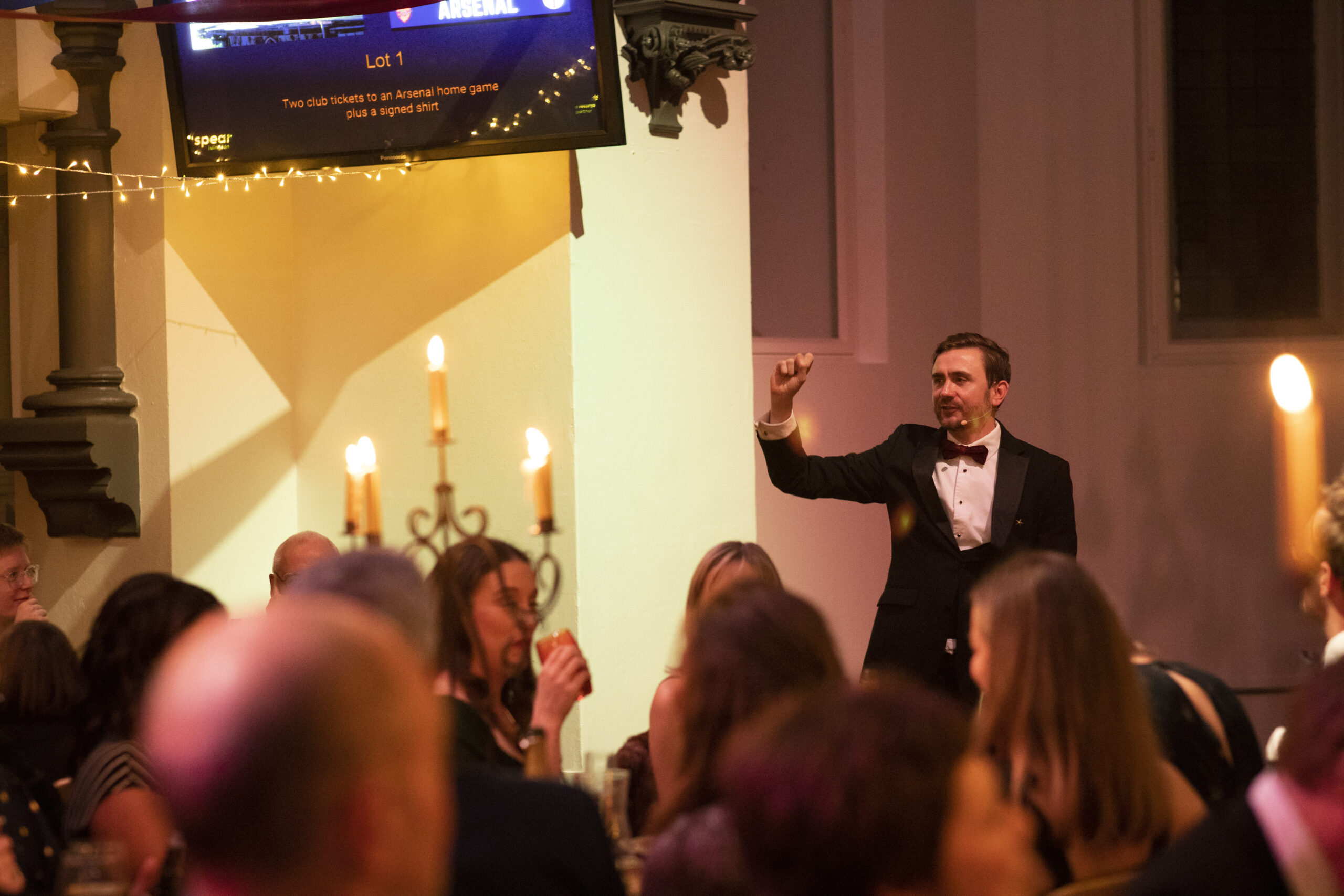
Every charity I work with asks the same question before a gala: what are the best auction items for fundraising, and what should we leave out? The honest answer is that some lots reliably raise strong money, and others sit there politely underbid all night, no matter how nicely they are described on the catalogue card.
I have sourced, catalogued, and sold lots at galas across the UK, Europe, and the US for two decades. This is what I have seen genuinely work, and what quietly disappoints, plus why.
Which auction items fundraising events need most?
The best auction items for fundraising are genuinely unique experiences that a bidder cannot simply buy elsewhere, not generic donated goods. That single distinction explains most of the gap between a lot that sells for double its estimate and one that limps over the opening bid.
It also explains why two galas with similarly generous rooms can post very different totals. The room is not the variable. The lot list is.
This is not just my read from the stage. Research comparing experiential and material purchases found that experiences produce happiness more reliably than possessions, across every price category tested. Bidders are not buying an object at a charity auction. They are buying a story to tell, and that changes what they are willing to pay.
Why do experience lots outsell physical items?
Experience lots outsell physical items because they carry social and emotional value that an object cannot match. A dinner with a well-known figure, a behind-the-scenes access day, or a trip built around a shared memory gives the winning bidder something to talk about long after the item itself would have been forgotten in a drawer.
Part of the reason is how people process the purchase afterwards. Experiential spending is tied more closely to close relationships than material spending, and it is less prone to the kind of social comparison that can sour how someone feels about a big purchase later. Nobody compares their dinner-with-a-chef experience to a colleague’s the way they might compare a watch.
There is a caveat worth knowing. The happiness advantage of experiences holds when the experience actually delivers. A poorly organised trip or a vague “meet and greet” with no real access underperforms a well-made physical item every time. If you offer an experience lot, plan the delivery as carefully as you plan the sale.
In my own auctions, travel lots and other curated experience packages are consistently among the highest earners in the room, well ahead of donated goods of comparable retail value.
That gap tends to widen when the experience involves other people. A trip a bidder takes alone competes with the same holiday they could book themselves. A trip built around access, a specific date, or people they cannot otherwise reach does not have that competition, and the bidding reflects it.
What makes an auction lot genuinely unique?
A lot is genuinely unique when a bidder could not go and buy it themselves at any price, from anyone else, at any time. That single unavailability is what pulls a bid above its fair market value.
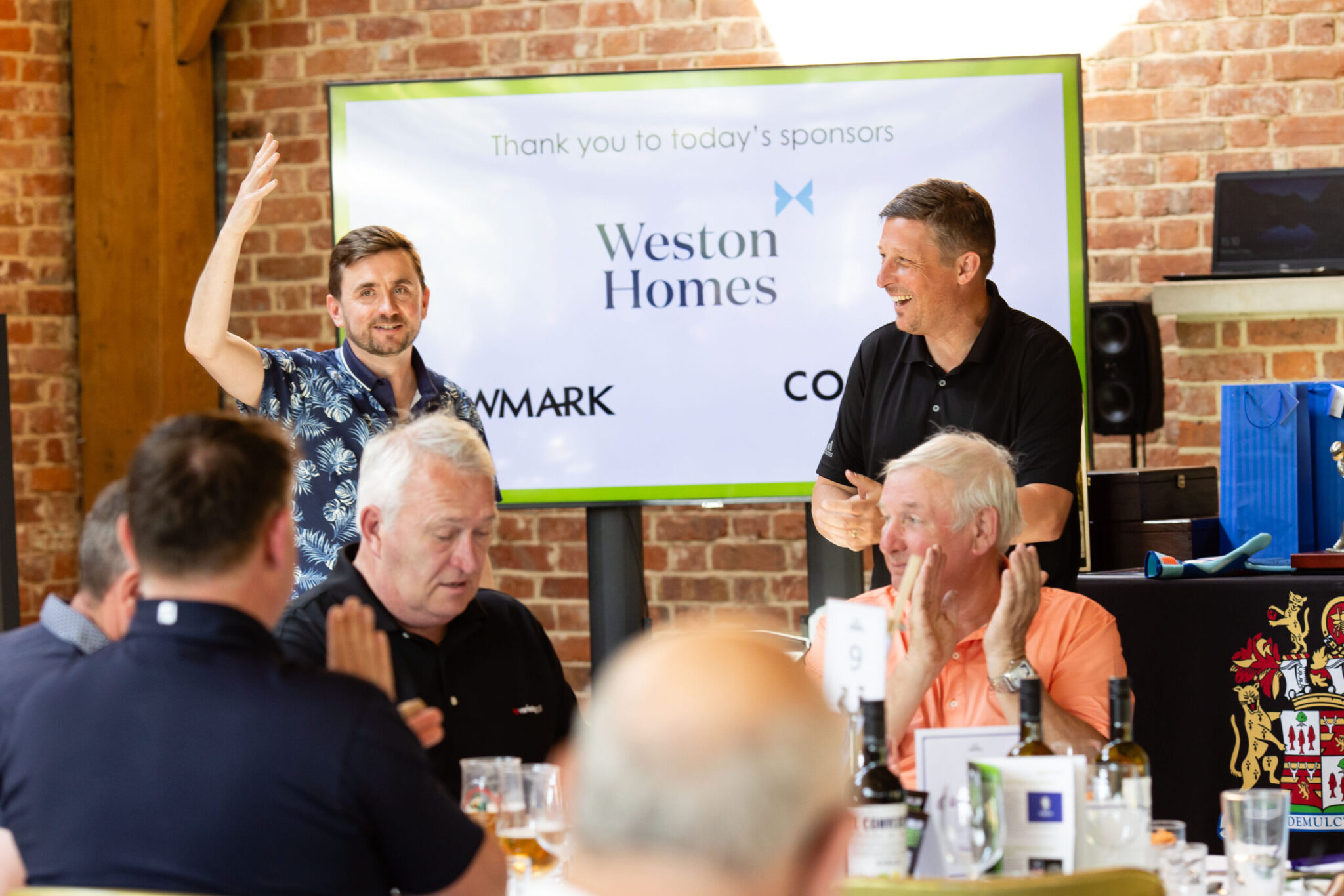
A peer-reviewed meta-analysis covering 131 studies on scarcity confirms what auctioneers have long known from the stage: people consistently value scarce items more highly than abundant ones. A signed shirt worn on the pitch on a specific night beats a generic signed shirt every time, because the story behind it cannot be replicated.
Sports memorabilia is the clearest example of this in practice. The difference between an item with real provenance and one without it is not small. It is often the difference between a lot that gets one bid and one that gets a bidding war.
Provenance is what makes the story credible, not just the object itself. A worn shirt with a clear, verifiable link to a specific match tells a bidder exactly what they are competing to own. The same shirt without that story is just merchandise, and it gets bid on like merchandise.
Which auction items fundraising teams should avoid
Auction items quietly flop when they are generic, easily available elsewhere, or arrive with a vague or restrictive description. A voucher a bidder could buy directly from the business themselves, at the same price, rarely creates any competitive bidding at all.
The pattern I see most often is a lot with real potential undersold by a weak description. “Dinner for two” tells a bidder nothing. “A private table for two with the head chef, including a wine pairing chosen on the night” tells them exactly what they are competing for. Vague lots get vague bids.
Restrictions are the other silent killer. An experience with a narrow expiry window, blackout dates that cover most of the year, or terms buried in small print will get bid on cautiously, if at all. Bidders are already taking a leap of faith on an experience they cannot inspect first. Do not make them work to trust it.
A third pattern I see is duplication. Two or three similar vouchers from the same category, spa days, restaurant meals, hotel stays, split the same pool of interested bidders instead of building competition on any one of them. One outstanding lot in a category beats three average ones every time.
Should charities source their own auction lots?
Yes. Charities should source auction lots themselves wherever possible, because it keeps significantly more of the final bid with the cause instead of paying a commission to a third-party lot supplier. This is one of the clearest ways to increase what a gala actually nets, and it has nothing to do with how well the auction itself is run on the night.
When a charity uses a commission-based supplier, that cost comes straight off the top of every winning bid. A self-sourced or donated lot carries no such deduction. I have written a full guide on how to source lots that goes into where to find genuinely strong donations, including from board members, corporate partners, and past bidders themselves.
There is a tax detail worth knowing here too. Gift Aid does not apply to what a bidder pays for a lot, because they are receiving something of value in return. It can apply to what a donor receives if the charity sells their goods on their behalf as an agent, but that arrangement needs setting up properly before the auction, not assumed afterwards.
Board members and past bidders are two of the most overlooked sources of strong lots. Someone who has already bid generously in previous years often has a connection, an experience, or an item worth donating themselves, and simply has not been asked directly.
Does a strong lot guarantee a strong sale?
No. Even the best lot on paper underperforms if the room is not engaged when it comes up, or if it is buried in a running order where nobody is paying attention. Sourcing is only half the job.
I have watched a genuinely exceptional lot get a single, tentative bid because the room’s energy had dropped after a slow section earlier in the night. The same lot, sequenced at the right point with the room fully engaged, would likely have gone for two or three times as much. Getting the room’s momentum right matters just as much as what you put in the catalogue.
That is the piece most organisers miss. A brilliant lot list and a flat room still leaves money on the table. The two have to be planned together.
Build the right lot list for your event
The strongest auction lists I put together are a mix of one or two genuinely exceptional experiences, several strong physical items with real provenance or story, and nothing that a bidder could buy cheaper elsewhere with less effort. Quality over quantity beats a long catalogue every time.
If you are planning your next gala and want a second opinion on your current lot list, or help sourcing items that will actually compete for bids, I offer a free fundraising consultation to talk it through.
If you want to talk it through, email hello@thecharityauctioneer.uk or call 07596 851647.
Sources and further reading

Kevin Durham
Charity auctioneer & event host