
In short
- The strongest corporate fundraising ideas combine a low-effort staff activity, a giving mechanism that multiplies what people raise, and one flagship event that carries the total.
- Two levers make corporate fundraising outperform: matched funding, which can double a staff total for nothing, and a professionally run ask at your flagship event.
- Payroll Giving and Gift Aid both add money to gifts your people were going to make anyway, so build them into every idea below.
- A dress-down day is a fine warm-up. A well-run corporate gala with a live auction and a pledge is where the year is actually won.
- Pick a mechanism, a handful of workplace activities and one anchor event. A scattergun of twenty small ideas raises less than three done properly.
If you run corporate social responsibility for a company, you already know the brief: engage staff, raise a respectable sum for the charity of the year, and give the business a story worth telling. The trouble is that most corporate fundraising ideas online read like a school fete list, with no sense of which ones actually move a company-sized total.
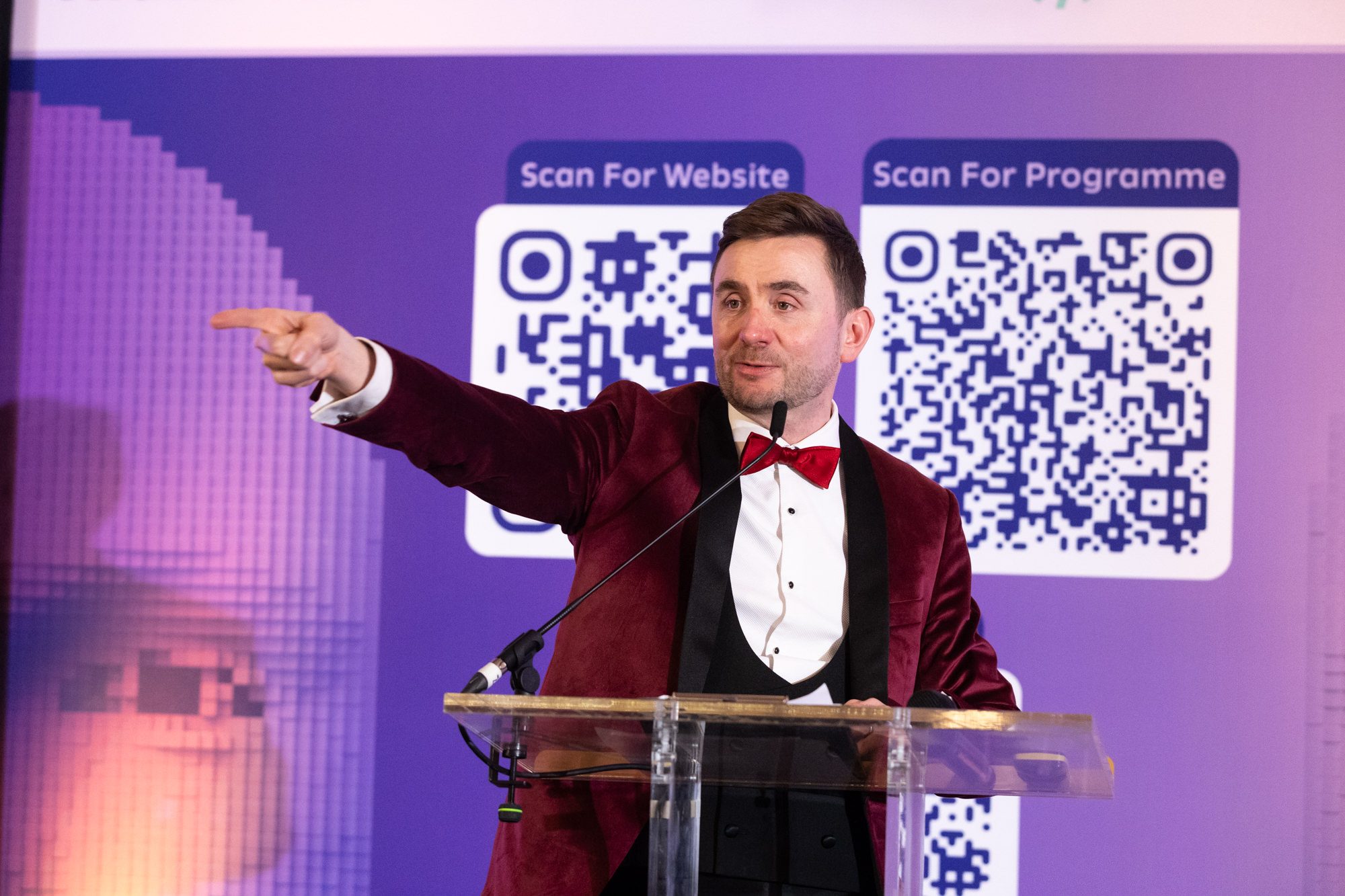
I have spent twenty years hosting fundraising events, from staff-room quiz nights to a Monaco gala that raised over €1,000,000 in a single evening, with more than £10 million raised across my career. This is my honest sort of the corporate fundraising ideas that work for CSR teams, grouped so you can build a proper campaign rather than a random pile of activities. For every idea I have added the practitioner note: how to make it raise more.
What makes corporate fundraising outperform ordinary giving?
Corporate fundraising outperforms individual giving for two reasons: a business can multiply what its people raise through matched funding, and it can gather guests who can give at a flagship event where the ask is run properly. Those two levers, matched funding and a professional ask, are the difference between a decent total and a remarkable one.
Everything else is detail. A dress-down day raises a few hundred pounds. That is worthwhile, and it builds the habit. But when a company matches that sum pound for pound, and then hosts one evening where a room of clients and staff are asked well, the total stops looking like a collection tin and starts looking like a serious contribution.
I say this as the person usually holding the microphone at that evening. The company that treats its flagship night as the centre of the campaign, and everything else as the build-up, almost always finishes ahead of the company that runs twenty small activities and hopes they add up.
What are the best workplace fundraising ideas?
The best workplace fundraising ideas are cheap, sociable and easy to repeat, so busy staff can run them without a budget or sign-off. They will not headline your campaign, but they keep people engaged and warm up the giving habit before the big night.
- Dress-down or dress-up day. A small donation to swap the dress code, or to come in fancy dress on a theme. It works in almost any office and takes one email to organise.
- Office bake-off. Staff bake, everyone pays to taste and vote, and a small panel judges. Sociable, low cost, and it gets people who never come to events involved.
- Sweepstake on a big event. A Grand National or World Cup sweepstake, with a set stake per entry and a share to the winner. Fast, familiar and popular. Check the rules, as some sweepstakes count as a lottery in law.
- Desk or car-park raffle. Staff donate small prizes, colleagues buy tickets, and it runs itself over a week. Simple to add Gift Aid-style giving alongside.
- Sponsored silence or shave. A member of staff does something visible and mildly uncomfortable, and colleagues sponsor them. The story spreads on its own around the office.
- Lunchtime skills auction. People auction an hour of a useful skill: a CV review, a language lesson, a spreadsheet rescue. Almost no cost and a gentle rehearsal for bidding.
- Step or fitness challenge. Teams compete on steps or distance over a month, collecting pledges as they go. Good for hybrid teams who rarely share an office.
Charity car wash or bag-pack. Old-fashioned, but staff turning out on a Saturday raises money and generates the photos your internal comms need.
Auction of promises. Colleagues pledge favours: a manager washes cars, a director makes the tea run for a month, someone donates a spare parking space. Neighbours bid, and it costs nothing but goodwill.
- Come dine with the office. Small teams host a lunch or supper for paying colleagues, cooking themselves, with all proceeds to the cause. It builds relationships across departments as well as funds.
To make workplace ideas raise more, run them to a calendar and a target rather than at random. Announce a company-wide total everyone is working towards, publish a running tally, and set the flagship event as the finish line. People give more when their small effort visibly feeds a bigger number, and a public tally turns a scatter of activities into a single campaign with momentum behind it.
Which giving mechanisms multiply corporate fundraising ideas?
The giving mechanisms that multiply corporate fundraising are the ones that add money to gifts people were already making: matched funding, Payroll Giving and Gift Aid. Get these three running and every other idea on this page quietly raises more.
- Matched funding. Many employers match what their staff raise, often pound for pound up to a limit. This is the single most powerful lever in corporate fundraising, because it can double a total for no extra effort from anyone. Always ask whether your company will match, and make the match a headline of the campaign.
- Payroll Giving. Employees can donate straight from their salary through Payroll Giving, with the donation taken from pay before tax. That means it costs the employee less to give the same amount, and it creates a steady monthly income the charity can rely on.
- Gift Aid on eligible donations. For gifts from UK taxpayers, Gift Aid lets the charity reclaim an extra 25p for every £1 given, at no cost to the donor. On sponsorship and eligible event donations, prompt every giver to tick the box.
- Charity of the year partnership. A formal, usually year-long relationship between the company and one charity, with staff events, matched giving and a flagship gala to close it. This is the frame that holds all the other ideas together.
To make the mechanisms raise more, layer them. A member of staff raises £500 on a challenge, Gift Aid lifts the eligible portion, and the company matches the lot. What began as a £500 effort can land close to £1,250 with no new activity at all. Most CSR teams underuse this, and it is the cheapest money in the whole campaign.
What team and experiential ideas build real engagement?
The team and experiential ideas that build the most engagement ask staff to do something together and slightly out of the ordinary, so the effort becomes a shared story rather than a line on an intranet. Engagement is the point here as much as the money, and engaged staff give more at the flagship event later.
- Company volunteering day. Teams spend a working day on a hands-on project for the charity: a garden clear-up, a decorating job, a day at a food bank. It builds a genuine connection to the cause that later giving flows from.
- Team challenge event. A group signs up for a Three Peaks, a Tough Mudder, a charity cycle or a corporate relay, and raises sponsorship together. Shared suffering builds shared commitment, and matched funding on top makes the totals serious.
- Corporate sports day. Departments compete across the afternoon, paying to enter teams, with a trophy and a collection. Good-natured rivalry does the fundraising for you.
- Interdepartmental tournament. A five-a-side league, a netball afternoon or a golf day, run over weeks with entry fees, sponsorship and a prize auction at the finals.
- Skills-based volunteering. Staff donate professional expertise, such as marketing, legal or IT help, to the charity. It costs the company staff time rather than cash, and it often means more to a small charity than a cheque.
- Charity hackathon or ideas day. Teams spend a day solving a real problem for the cause, with the business sponsoring a prize pot. It engages the people who never sign up for a fun run.
To make experiential ideas raise more, capture them properly. Photos, a short film and named people telling the story turn a single day into content that fuels the flagship event and next year’s campaign. Engagement compounds only if you record it and show it back to the room.

What are the premium corporate fundraising ideas?
The premium corporate fundraising ideas are the ones that gather people who can give into one room and ask them well: a corporate charity gala with a live auction and a pledge, sponsored tables, and client fundraising dinners. These carry the campaign, because they concentrate generous people and real budgets at a single moment.
- A corporate charity gala. Dinner, entertainment and a fundraising spine of a live auction and a pledge. This is the flagship, and for most companies it raises more in one evening than everything else combined. The meal is why people come. The auction and pledge are why they give.
- A live charity auction. Five to eight strong lots, well chosen and well sold, can out-raise the rest of the night. Experiences beat objects: a money-can’t-buy meeting, a hospitality package, a use of the chairman’s box. The result lives in the selling, not the lots, which is why a corporate auctioneer usually pays for themselves several times over.
- A live pledge or fund-a-need. One clear, emotional ask, with giving at set levels, run from the stage. This is the most powerful tool I use, and it often out-earns the auction itself. Most organisers underrate it badly.
- Sponsor a table. Businesses buy a table for their team or clients, which covers the event’s costs before a single lot is sold. Every pound raised on the night is then clear profit for the cause.
- Headline event sponsorship. A company underwrites the evening, drinks or entertainment in exchange for visible thanks. It removes cost risk and gives the sponsor a genuine story to tell.
- Client fundraising dinner. A smaller, more intimate evening where a company hosts its best clients, combines relationship-building with a focused ask, and raises serious money from a room of people who can give.
- Golf day with a fundraising close. A corporate golf day is a soft sell all afternoon, then an auction and pledge at the dinner turn a pleasant round into a fundraiser.
To make the premium ideas raise more, treat the fundraising as the main event, not a bolt-on after the speeches. Sequence the evening so energy peaks at the auction and the pledge lands as the emotional high point. Good hosting and entertainment sets that up, but the ask itself has to be run by someone who knows how to build a room. That single decision moves the total more than the guest list does.
How do you choose the right corporate fundraising idea?
Choose the corporate fundraising idea that fits three things: who your people and guests are, how much time your CSR team honestly has, and the number the charity actually needs. Start from the target and work back to the activities, never the other way round.
Run each candidate through four questions:
- Who is in the room, and what can they give? A staff base suits workplace activities and payroll giving. A room of clients and directors suits a gala with an auction and a pledge.
- How much time does the team genuinely have? A gala needs months of lead time. A dress-down day needs an afternoon. Over-scoping is the fastest way to burn out a small CSR team.
- What single number does the charity need? If the goal is £50,000, a year of bake sales will not reach it. Be honest about which ideas can clear the target and which are there for engagement.
- Who will drive the giving on the night? This is the question almost nobody asks, and it is the one that decides whether your flagship event doubles its target or drifts.
Most companies do best with a simple shape: one giving mechanism running underneath everything, a handful of workplace activities to keep staff engaged, and one flagship event to carry the total. You do not need twenty ideas. You need three that fit, run properly, and pointed at the same number.
The two levers that quietly decide your total
If you take one thing from this list, take this: the two levers that decide a corporate campaign are matched funding and the quality of the ask at your flagship event. Everything else adds useful pounds around the edges. These two change the order of magnitude.
Matched funding is the easiest money in fundraising, and it is routinely left on the table because nobody in the room thinks to ask the finance director. Ask early, get the match agreed in writing, and make it a headline of the whole campaign so staff know their effort counts double.
The ask at the flagship event is the other half. I have watched warm, generous corporate audiences give a fraction of what they could, simply because the auction was read out rather than sold, or the pledge was mumbled by a well-meaning director rather than built properly. The lots were fine. The cause was worthy. Nobody drove the momentum in the room and used it. Bidding momentum is a skill, not luck, and it is the reason a professional at the front of the room tends to lift the total far beyond the fee.
Where to start
Pick your shape. Choose one giving mechanism to run underneath the campaign, ideally matched funding plus Payroll Giving. Add two or three workplace activities to keep staff engaged, and one team or volunteering day to build a real connection to the cause. Then anchor the year with one flagship event that has a proper fundraising spine.
Put Gift Aid on every eligible gift, confirm your company match in writing, and decide early who is going to run the ask when it matters. If you want more starting points, my guide to fundraising ideas covers the wider picture beyond the corporate world.
When your flagship evening includes a live auction or a pledge, that is the moment your whole campaign’s total is won or lost. If you would like to talk through which format fits your guests and your target, I offer a free initial consultation through my auctioneer services. Bring your number, and we will work out how to beat it.

Kevin Durham
Charity auctioneer & event host