

In short
- Most bidding at charity benefit auctions happens by raising a numbered paddle, in view of the auctioneer and the room.
- Proxy and silent bidding let you set a limit or bid on paper without following the live room, and they work differently from paddle bidding.
- A reserve price is a minimum the item must reach to sell, and it is rarely a barrier if the room is genuinely engaged.
- A “bidding war” between two guests is not an accident. A good auctioneer reads and encourages it deliberately.
- The pace you feel in the room, whether it drags or crackles, comes down almost entirely to whoever is holding the microphone.
If you have never bid at charity benefit auctions before, the mechanics can feel opaque from the audience’s side of the room. Here is what is actually happening, from the moment a lot comes up to the moment the gavel falls.
How bidding actually works at charity benefit auctions
At most charity benefit auctions, you place a bid by raising a numbered paddle where the auctioneer can see it, and the auctioneer calls out the new bid amount before moving to the next increment.
You do not need to shout, wave frantically, or worry about missing your moment. A confident, clear raise of your paddle is enough. Part of my job on stage is watching the whole room, not just the person who bid last, so a genuine bid rarely goes unseen. If you are ever unsure whether your bid registered, a clear nod or a second raise settles it immediately.
What is proxy or silent bidding, and how is it different?
Proxy bidding lets you set a maximum in advance, often on a bid sheet or through event software, and someone bids on your behalf up to that limit without you needing to be present or watching the live room.
This is common at the silent auction portion of an event, or for guests who want to bid on something without following the live room closely all evening. It removes the pressure of live paddle bidding, but it also means you will not experience the momentum a live auction builds. Both formats raise real money. They simply ask something different of the bidder.
What does a reserve price actually mean for you as a bidder?
A reserve price is the minimum amount an item must reach before it sells, and for most donated charity lots it is set conservatively, so in practice it rarely stops genuine bidding from winning the item.
Reserves exist to protect a donor’s generosity from being sold far below its worth, not to make an item hard to win. If a room is genuinely engaged with a lot, the bidding typically clears the reserve within the first few calls, and from your seat it barely feels different from a lot with no reserve at all.
What is actually happening during a “bidding war”?

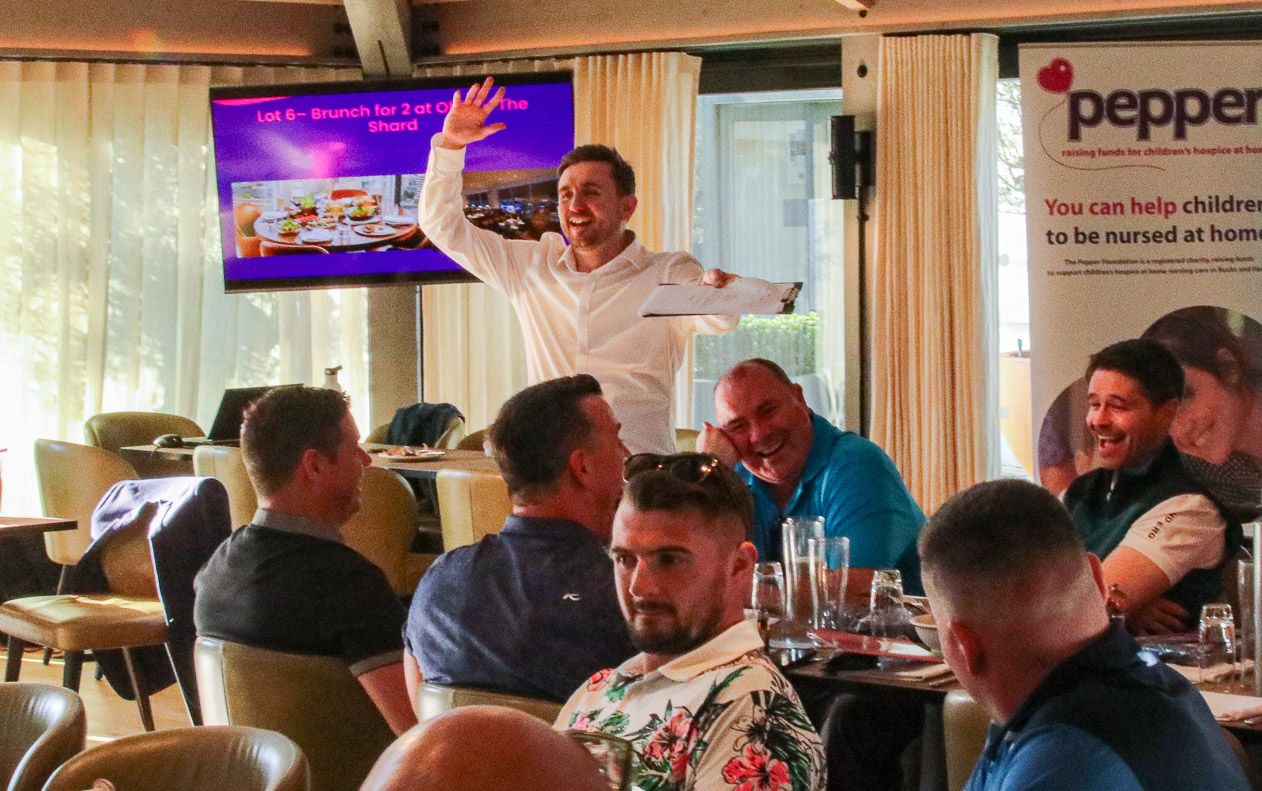
A bidding war is when two or more guests compete directly on the same lot, and it rarely happens by accident. A good auctioneer reads the room for that competitive energy and actively encourages it once it starts.
From the stage, I am watching for exactly this moment: two paddles going up in quick succession, a look between two tables, a guest who clearly wants an item and has just seen someone else bid on it. Once that energy appears, naming it out loud to the room, “we’ve got a real contest here”, tends to pull even more bidders in rather than fewer. It is one of the clearest examples of bidding momentum being a skill rather than luck.
Why the pace changes so much at charity benefit auctions
The pace of a charity benefit auction, whether it feels flat or genuinely exciting from where you are sitting, comes down almost entirely to the auctioneer’s ability to read momentum and adjust in real time, not the lots themselves.
I have run rooms where the same lots, in a different order or with a different pace on the mic, would have raised noticeably less. Slowing down at the right moment to let a bidding war breathe, speeding up when energy is building, calling out a table by name to nudge one more bid, none of that is scripted in advance. It is a live read of the room, and it is the single biggest difference between an auctioneer and someone simply reading out lot numbers.
Does the same thing happen during a pledge drive?
Yes, though the mechanics differ. A pledge drive asks for a direct donation in tiers rather than a bid on a specific item, and the same room-reading skill decides whether it builds momentum or falls flat.
If you have only experienced the live lot auction, the pledge drive segment can feel unfamiliar the first time, since there is no item to win, just a tiered ask that the room responds to collectively. It often ends up raising more than the lots themselves, precisely because everyone in the room can take part regardless of whether they want any specific item.
What a first-time bidder should expect
- A numbered paddle you raise clearly when you want to bid, no shouting required.
- A rising sequence of calls from the auctioneer as bids come in, usually in set increments.
- A reserve, if one applies, that a genuinely engaged room rarely notices.
- Encouragement, not pressure, if you are close to winning but hesitating.
- A pledge drive segment later in the evening that works differently from the lot auction, asking for direct giving rather than competing bids.
If you are attending your first charity gala and want to understand the format before the night, my broader look at charity auction ideas covers how the whole evening typically fits together, live auction, pledge drive, and everything in between. Once you understand the mechanics, the only thing left to decide is how high you are willing to raise that paddle.

Kevin Durham
Charity auctioneer & event host