
How to raise more money at a charity event: the levers most organisers miss

In short
- The biggest lever is not better lots or a bigger room. It is who drives the giving, and when, on the night itself.
- Set one clear target, name it out loud, and build the whole run of show around the moment you ask for it.
- The live pledge or fund-a-need is usually the single highest-earning few minutes of the evening. Treat it as the peak, not an afterthought.
- Momentum, social proof and sensible starting bids lift the total far more than most organisers expect. So does capturing Gift Aid on eligible gifts.
- A professional auctioneer is not a cost on top of the event. On most nights the uplift covers the fee several times over.
Ask most organisers how to raise more money at a charity event and the answer comes back as “find better lots” or “sell more tables”. Both help. Neither is the real lever. The amount you raise at a charity event is decided far more by structure and by what happens in the room during the ask than by the raw ingredients you started with.
I have spent twenty years on stage at fundraising events, from village hall dinners to a Monaco gala that raised over €1,000,000 in a single evening, and more than £10 million across my career. This is my honest account of the levers that actually move the total: the target, the run of show, warming the room, the live pledge, momentum, lot selection, Gift Aid, and why a professional on the microphone usually pays for themselves several times over. For each, the practitioner note is the same: here is how to make it raise more.
How do you actually raise more money at a charity event?
You raise more money at a charity event by concentrating generous people in one room and then actively lifting the total while the energy is high, rather than leaving it to chance. The idea and the guest list get you a ceiling. The structure and the selling on the night decide how close to that ceiling you get.
That is not a small gap. I have watched two events with near-identical rooms, causes and lots finish tens of thousands of pounds apart, purely because one was driven and the other was read out. It matters more than ever, too. The CAF UK Giving report put total public donations at around £15.4 billion, but with fewer people giving overall. When casual giving thins out, the events that engage committed supporters properly are the ones that carry your year.
Everything below is a lever you control. None of it requires a bigger venue or a more glamorous auction. It requires deciding, in advance, exactly how the giving will be built and who will build it.
The target: setting the number and naming it out loud
Start from the target and work backwards. Before you choose a single lot, decide the specific figure the night needs to raise, then design the evening to reach it. Most events drift because nobody in the room ever hears a number, so nobody knows what “enough” looks like.
Name the target from the stage, and name what it buys. “Tonight we are raising £40,000, and £40,000 funds a year of home visits for sixty families” gives the room a finish line and a reason. Abstract causes raise abstract amounts. Specific, nameable outcomes raise specific, larger ones.
- Set one headline number, not three. A single clear target focuses the room. Competing goals split the energy.
- Break it into visible chunks. If you need £40,000 and the pledge has giving levels, the room can see the total build in real time.
- Tell people when you are close. “We are £4,000 short of the target” is one of the most reliable ways to pull the final gifts out of a warm room.
One client came to me convinced their target was ambitious. By the end of the night they had raised double it. The room did not change. The target was set properly, named clearly, and built towards all evening.
Why does the run of show decide your total?
The run of show decides your total because the order in which things happen changes how much people give, not just how the evening feels. Sequencing is the most underrated lever in the room, and it costs nothing to get right.
The pattern I use again and again: light, warming moments early, the meal and the emotional case in the middle, the live auction when energy peaks, and the pledge as the high point just after the story has landed. Ask too early and the room is cold. Ask too late, after speeches have drained the energy, and you are pushing uphill.
- Front-load the fun. A quick game or a lighter lot loosens the room and teaches people to raise a paddle before it matters.
- Put the emotional case right before the biggest ask. People give most in the minutes after they have felt why it matters.
- Never end on admin. Close on momentum, not on a raffle draw that lets the air out of the room.
If you are still shaping the evening, my guide on how to plan a gala walks through the running order in detail. Get the sequence right and the same guests, the same lots and the same cause will raise noticeably more.
How do you warm the room before the ask?
You warm the room by giving people small, low-stakes reasons to participate before you ever ask for serious money, so that raising a hand feels normal by the time it counts. A cold room gives cautiously. A room that has already laughed, played and bid once gives freely.
Warming is deliberate, not accidental. In my experience the events that stall are usually the ones that go straight from dinner to a big ask with nothing in between. The room has not been invited to take part yet, so the first real request lands on strangers with their arms folded.
- Open with a game. Heads or tails or a quick sweepstake costs almost nothing, raises a little, and gets every hand in the room moving.
- Read the room out loud. Naming the energy (“this is a lively table on the left”) makes people feel seen and part of the night.
- Bid small before you bid big. An early, accessible lot lets people practise the act of bidding, so the high-value lots do not feel alien.
Lighter fundraising ideas early in the night are not filler. They are the warm-up that makes the main ask land, and they are where a lot of otherwise reluctant guests first decide to join in.
Why is the live pledge the emotional peak of the night?
The live pledge, or fund-a-need, is the emotional peak because it asks the room to give directly to the cause with no lot in between, right after the story that explains why. Done well it is often the single highest-earning few minutes of the evening, and most organisers still treat it as an afterthought.
The structure is simple and the discipline is everything. You make one clear emotional case, then invite the room to give at set levels, working from the top down and calling out the gifts as they come. The story does the persuading. The auctioneer keeps the momentum and gives the room permission to be generous. I have run galas where the live pledge out-earned the entire lot auction that preceded it.

Three things make a pledge raise more: a single, specific case rather than a general plea, giving levels that give everyone a way in from the front row to the back, and a host who names each gift so the room feels the total build. Miss any of them and the same audience gives a fraction of what it could.
How do momentum and social proof lift the total?
Momentum and social proof lift the total because giving is contagious: people take their cue from the room, and when they see others giving, they give more and give sooner. Bidding momentum is a skill, not luck, and it is the lever I spend most of my energy managing on the night.
The mechanics are visible once you know to look for them. An early flurry of bids sets the pace for a lot. A named gift near the top of a pledge gives everyone below a level to aim at. A room that hears “that is our third £1,000 pledge in a minute” gives faster than one that hears silence between asks.
- Call the gifts. Naming and thanking pledges out loud turns private generosity into public example.
- Use the front of the room. A few strong early gifts, placed deliberately, set the tone for everyone behind them.
- Keep the pace up. Dead air kills momentum. The gap between asks is where hesitation creeps in.
This is the part a volunteer host almost always leaves on the table. The lots were fine and the cause was worthy, but nobody named the momentum and used it. That gap is usually the difference between hitting a target and beating it.
Which lots raise the most, and where should the bidding start?
The lots that raise the most are experiences that cannot be priced online, and the bidding should start low enough to get several paddles moving fast. Guests bid against each other, not against a price tag, so your job is to remove the reference point and build a contest.
On lot selection, less is more. Five to eight strong lots, well chosen and well sold, out-raise a long list of mediocre ones every time. And sourcing them in-house, rather than through commission-based suppliers, keeps significantly more of what you raise with the charity.
- Experiences beat objects. A week in a villa, a money-can’t-buy meeting, a private dining experience. With no online price, bidding runs higher.
- Start low, climb fast. A starting bid set too high scares off the early bidders you need to create a contest. Open low, get three or four paddles up, then let the room do the work.
- Know your top lot. Place your strongest lot where the energy peaks, not first and not last.
- Add a silent auction alongside. It keeps mid-value lots moving and captures guests who never raise a paddle in the main event.
You can see the effect of good lot selection and pacing in this case study from a recent event. The lots mattered, but the order and the starting bids mattered more.
Does capturing Gift Aid really raise more at a charity event?
Yes, and it is close to free money. Gift Aid lets your charity reclaim an extra 25p for every £1 an eligible UK taxpayer donates, at no cost to the donor or to you, so it quietly adds a quarter to a large slice of your total.
The trick is to build the mechanics in before the night, not scramble for declarations afterwards. Capture Gift Aid declarations on eligible pledges and donations where the rules allow, and prompt every donor to confirm their details as they give. On a £30,000 pledge total, eligible Gift Aid can be worth thousands more for no extra fundraising effort at all. Few levers add that kind of uplift on their own. This one does, and it is the one organisers most often forget in the rush of the evening.
Does a professional auctioneer actually pay for themselves?
On most nights, yes, and by a comfortable margin. The uplift a professional creates in the room, through pacing, momentum, a properly built pledge and sensible starting bids, typically covers the fee several times over, which is why the honest way to read the cost is against the total raised, not against the budget line.
The difference is visible in the final figure, not just the experience on the night. A traditional host reads out lots and hopes. The work I do is managing the room’s energy from the first game to the last pledge, so the generous people you invited actually give what they came prepared to give. That is where the Monaco €1,000,000 came from, and where the client who doubled their target found the second half of their total.
I would never guarantee a number, and you should be wary of anyone who does. What I will say is that the gap between a driven room and a passive one is real, it is measurable, and it is almost always larger than the fee.
Where to start
Pick the three levers you can still influence for your next event. Set and name a specific target. Fix the run of show so the emotional case sits right before the biggest ask. And decide, early, who is going to drive the giving when it matters, then build in Gift Aid and a proper pledge behind them.
If your event has a live auction or a pledge in it, that is the moment your whole total is won or lost. If you want to talk through which levers fit your audience and your target, I offer a free initial consultation through my auctioneer services. Bring your number, and we will work out how to beat it.
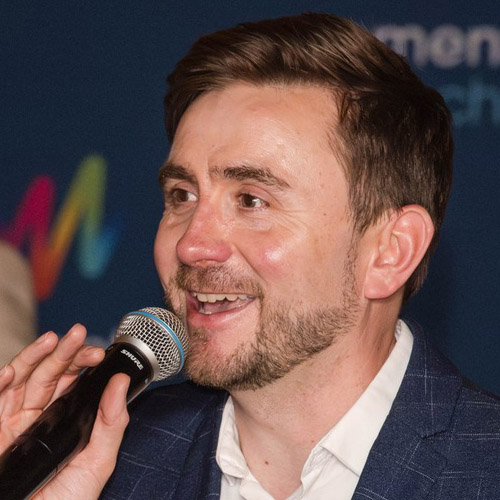
Kevin Durham
Charity auctioneer & event host
Let’s talk
Bring this to your event
Book a free consultation with a charity auctioneer who has raised over £10 million.