
In short
- A charity gala auction is the live fundraising centrepiece of the night, and it is where most of the room’s giving decisions are made or lost.
- Entertainment is not a nice-to-have. When the room is having fun, people bid higher, and the research backs that up.
- Source your auction lots in-house wherever you can, so the charity keeps the profit instead of paying a third party for the privilege.
- The single biggest lever is holding the room’s attention. Lose the listening of the room and no lot, however good, will sell for what it should.
The charity gala auction is the engine of the night. Get it right and it can raise more in twenty minutes than the ticket sales did all night. Get it wrong and the room goes flat, the bids stall at the same tired numbers, and everyone quietly checks their phones.
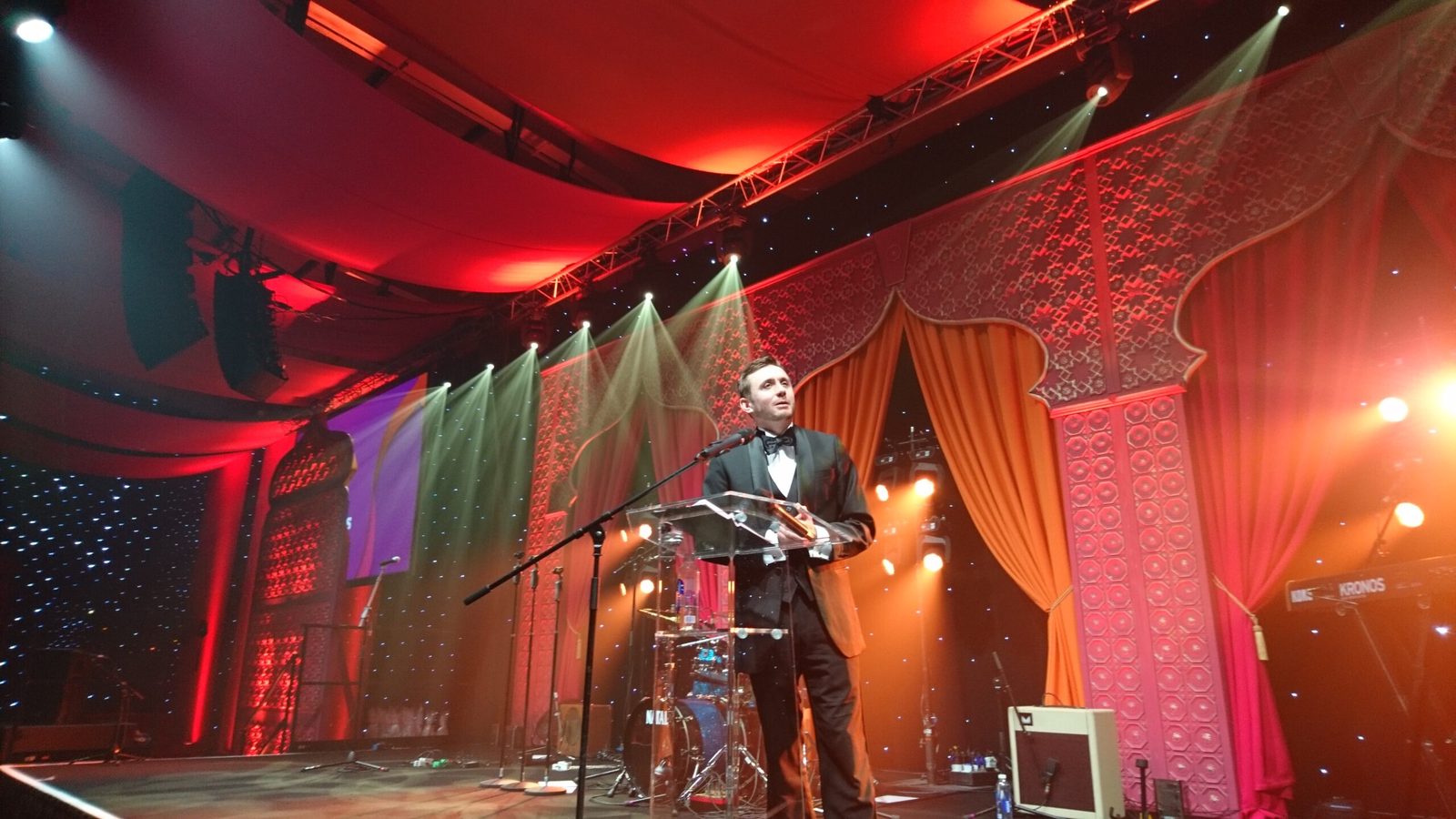
I have run charity gala auctions across the UK, Europe, and the US for two decades, from intimate dinners to a Monaco gala that raised over €1,000,000 in a single evening. This is what actually moves the total, and what quietly leaves money on the table.
What is a charity gala auction?
A charity gala auction is the live fundraising segment held during a gala dinner or ball, where guests bid on lots and the proceeds go to the cause. It is the part of a gala auction evening people remember, and usually the part that raises the most.
Most galas run some mix of three formats. A live auction, where I call lots from the stage and guests bid in the room. A silent auction, where guests write or tap bids on a set of lots over the course of the evening. And a pledge or fund-a-need, where guests give directly at set levels rather than bidding on an item.
You do not have to choose only one. The strongest charity auction event I run usually blends a tight live auction with a silent auction running in the background and a pledge as the emotional peak.
How much can a charity gala auction raise?
There is no honest single figure, because the total depends on your room, your lots, and how the night is run. What I can tell you is that the gap between a well-run auction and an average one is enormous.
I once had a client come in with a fundraising target and leave the night having raised double it. The Monaco gala I mentioned cleared over €1,000,000 in one evening, and that came from careful lot sequencing, a structured pledge, and keeping a high-net-worth, multilingual room engaged from the first lot to the last.
Context matters too. UK giving is under pressure: the Charities Aid Foundation reported that donations fell to £14 billion in 2025, and the sector body has called the trend a reason to grow giving wherever charities can. A gala auction is one of the few nights where you can lift a donor’s giving well beyond their usual gift, so it is worth running properly.

Why entertainment is the engine of a gala auction
Here is the thing most people planning a gala get wrong. They treat the auction as a transaction, a list of lots to be read out. In my experience it is the opposite. The auction is entertainment, and entertainment is what loosens the room.
When people are enjoying themselves, they give more. That is not just my opinion from the stage. A controlled experiment found that positive emotions causally increase charitable giving, and the researchers specifically pointed to enjoyable events like auctions as a way to create them. A separate field study on incidental emotions found the same pull: lift the mood and you lift the donation.
It fits what the data on why people give already tells us. In the CAF research, most donors said they gave for emotional reasons, because they care about a cause, not because they were presented with a spreadsheet.
My background is television and live entertainment, and that is not a side note. It is why a room stays with me through a twelve-lot auction instead of drifting after lot three. The energy you bring from the stage is the difference between polite bidding and competitive bidding.
Where should the auction sit in the gala running order?
Put the live auction after the main course, once the room is warm, fed, and settled, but well before people start thinking about taxis. That window, roughly two thirds of the way through the night, is when energy and attention are both high.
Sequence matters inside the auction too. Open with a lot that is easy to want and easy to bid on, build through the middle, and save one genuinely special lot for near the end. If you are also running a pledge, it usually belongs right after the live auction, riding the peak of energy the auction has just created. I have written a fuller guide to the running order if you want the full shape of the night.
How do you hold the room during a live auction?
You hold the room by earning and keeping its attention from the very first lot, what I call the listening of the room. If you do not have the listening of the room, leading an effective live auction is virtually impossible, however good your lots are.
That means the auction cannot start until the room is genuinely quiet and looking at the stage. It means reading who is bidding, naming the momentum out loud, and using pace to keep tension high. When two bidders are locked in, the whole room feels it, and that social pressure pulls the next bid higher. Building and protecting that energy is a skill, not luck, and I go deeper on it in my piece on bidding momentum.
This is the clearest difference between a professional and a volunteer host. A volunteer can read out lots. Holding a room of 400 people on a knife-edge between two bids is a different job entirely.
Blend a live auction, a silent auction, and a pledge
For most galas, the strongest setup is a combination, with each format doing a job the others cannot. A live auction creates the drama and the big-ticket totals. A silent auction gives everyone something to bid on, including guests who never raise a paddle in the room.
If you only have appetite to compare two, my guide on live versus silent breaks down which suits which event.
The format people underuse is the pledge. A well-run live pledge is often the single highest-earning segment of the entire evening, because it asks the room to give to the cause directly, at tiered levels, at the emotional high point of the night. Most planners treat it as an afterthought. It should be built into the plan from the start.
Where should your auction lots come from?
Source your lots in-house wherever you can, so the charity keeps the full proceeds rather than handing a slice to a commission-based lot supplier. This is one of the strongest opinions I hold, and it makes a real difference to the net figure.
When you use a third-party lot provider, you are effectively paying for the privilege of selling their item, and that cost comes straight out of what the charity keeps. A donated or self-sourced lot has no such drag on it. I offer guidance on how to source lots so organisations keep more of the money in the room.
There is a tax wrinkle worth knowing. Gift Aid does not apply to the purchase of an auction lot, because the buyer receives goods in return. It can apply to the proceeds of selling donated goods on an owner’s behalf, but only if the charity sets it up correctly as their agent first. Sort that paperwork before the night, not after.
What are the rules for a charity auction in the UK?
UK fundraising is governed by the Fundraising Regulator, and your auction should meet its standard of being legal, open, honest, and respectful. The fundraising code sets those expectations, and they apply to how you describe lots, how you take bids, and how you handle bidders’ personal data.
In practice that means never overstating what a lot includes, being clear on what the winning bidder actually gets, and looking after the contact details you collect. The regulator’s guidance on expected behaviours is worth a read for anyone running a fundraising event. Get this right and you protect both the cause and the trust of the room.
London and international galas behave differently
The core principles hold everywhere, but the room changes. London charity gala auctions tend to move fast and expect polish, and a corporate table in the city behaves differently from a community fundraiser in a village hall. International galas add another layer.
At the Monaco event, I was working a multilingual, high-net-worth audience, and the job was to keep urgency and energy alive across cultures and languages without losing anyone. That comes from pacing and presence, not from a script. I work across the UK, Europe, and the US, and the read on the room is always local even when the technique is the same.
How do you make sure your gala auction hits its target?
You give the auction the same planning you give the rest of the gala, ideally with a professional auctioneer involved before the night rather than just on it. The lots, the sequence, the pledge, and the room energy all get designed together, not assembled on the day.
That pre-event work is where most of the extra money is won or lost. I offer a free fundraising consultation to talk through your event goals, your lots, and how the auction should be structured before anyone commits to anything. If your last gala plateaued, or you are planning your first, that conversation is the fastest way to see where the total can go.
If you want to talk it through, email hello@thecharityauctioneer.uk or call 07596 851647.
Sources and further reading

Kevin Durham
Charity auctioneer & event host