

In short
- A fundraising speech needs one person’s story, the need in plain words, and a specific ask.
- Keep it short: a minute or two for the welcome, two or three for the appeal, one sentence for the handover.
- Put real amounts in the appeal, and only say what each pays for if it’s true.
- The Code of Fundraising Practice applies at the microphone: no undue pressure, nothing that misleads.
- Get consent before anyone’s personal story goes near a stage.
These fundraiser speech examples cover the part of a charity evening where the money gets decided: the welcome, the story, the short appeal before the live pledge, and the handover to the auctioneer. Each one is short and built around one story and one clear ask.
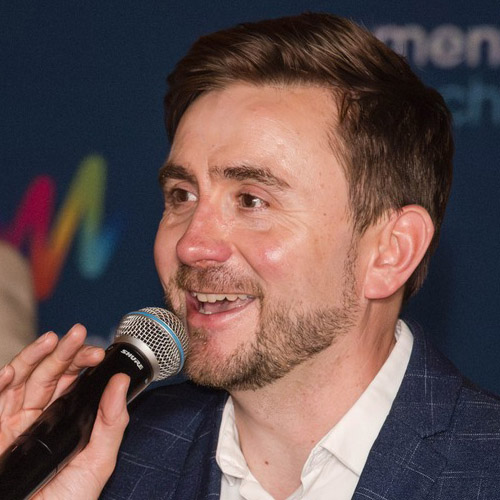
I’m Kevin Durham, a charity auctioneer and event host. I hear these speeches from the side of the stage most weeks, and the pledge I run afterwards depends on them. Copy the shape, not the words: square brackets mark where your details go.
What makes a good fundraising speech?
A good fundraising speech tells one true story, explains the need in a sentence or two, and ends by pointing to a specific ask. Then it hands the room over while the feeling is still there.
In a 2007 study by Deborah Small and colleagues, an appeal about one identifiable child raised more than one built on statistics, and adding the statistics to her story brought giving down. Mention the scale if you must. Don’t lead with it.
A comfortable speaking pace is around 100 to 150 words a minute, so 400 words takes three to four minutes. After a three-course dinner, shorter is kinder.
Where the speeches sit in the night
Every gala dinner speech has a job, set by where it sits. This is the order I work to:
- Chair’s welcome, once guests are seated.
- Dinner. No speeches while people eat.
- The story: the appeal speech, or a short film.
- The live auction.
- A short appeal, straight before the pledge.
- The live pledge.
- The thank-you and close.
The story goes before the auction because it gives the fundraising its meaning. The short appeal brings the room back to it afterwards, so the pledge starts from the cause. The full timeline is in my gala running order.
Fundraiser speech examples: the chair’s welcome
Most welcomes go wrong the same way: they try to thank everyone. The jobs are to greet the room, say in one line why everyone is here, and tell guests what’s coming.
Example: the chair’s welcome (about a minute)
“Good evening, everyone, and welcome. I’m [name], chair of [charity name], and it means a great deal to see this room so full.
Tonight is about [the people the charity supports]. Every year we [one sentence on what the charity does], and by being here, you’re part of that.
Later, [auctioneer’s name] will take us through the live auction and a chance to give directly to our work. First, you’ll hear from [speaker’s name], who will tell you far better than I can why tonight matters.
Enjoy your dinner, and thank you for coming.”
What should a beneficiary or appeal speech say?
A beneficiary or appeal speech should tell one person’s story, from before the charity was involved to after, say what changed, and say what is still needed. It works best in the speaker’s own words.
If the speaker is a beneficiary or family member, help them write it rather than writing it for them, and tell them they can change their mind right up to the night. Bond’s guidance on ethical storytelling treats consent as an ongoing conversation, not a signature, and Charity Digital’s consent checklist covers how the person wants to be named.
Example: the appeal speech (two to three minutes, filled in)
“Two years ago, [first name] [one sentence: the moment things went wrong]. [They] didn’t know where to turn, and nor did [their] family.
Then [first name] met [staff member or service]. [Two or three plain sentences on what the charity did: not ‘we provided holistic support’ but ‘someone sat with her every Tuesday’.]
Today, [first name] [one sentence: where they are now]. That’s what your support does.
But for every [first name], there are [people or families] still waiting. This year, [charity name] needs to [the specific need, with a true number: for example, fund 40 more places].
Later tonight, you’ll have the chance to help make that happen. I hope you’ll think of [first name] when you do. Thank you.”
How do you write a charity appeal speech before the pledge?
Write the charity appeal speech as a reminder of the story, what the money pays for, and the giving levels. Some call it the donation speech. One minute is plenty.
Check every level with your finance team first. The Code says you need appropriate evidence for any claim the room will take literally (standard 1.2.3).
Example: the short appeal (about one minute)
“Earlier, you heard [first name]’s story. In a moment, [auctioneer’s name] will give every one of us the chance to help write the next one.
£[amount] pays for [true, specific thing]. £[amount] pays for [another]. £[amount] pays for [another]. Every gift, at every level, goes to [what the money is for, worded exactly as on the pledge card].
If you pay UK tax, please tick the Gift Aid box on your card. It lets us claim an extra 25p on every £1 you give, and it costs you nothing.
Whatever you give tonight, thank you.”
Keep that line for the pledge. Charities can claim an extra 25p on most donations, but HMRC’s charity guidance treats a winning auction bid as a purchase, not a gift.
How do you hand over to the auctioneer?
Hand over to the auctioneer in one sentence, by name, and then leave the stage. If the room is chatting, get it quiet first. The shush is a powerful tool.
Example: the handover
“To lead our live pledge, please welcome [auctioneer’s name].”

That’s it. Then the tone shifts from the cheek of the auction to something serious, though never sombre. It’s not a funeral. This is how I talk when I open the pledge:
“Ladies and gentlemen, really think about the children. This isn’t just about money. This money would have sat there doing nothing. Tonight, you can use it to do something really, really good.”
I learned the value of a set-up the hard way. At one big event, running late, there was no inspiring speech or video before the auction, and I announced it while people were still talking. Only a fraction of the room heard the lots. I’ve never repeated it: command the room first, and stand on a chair if you have to. Whoever holds the room holds the total.
The pledge is where the real money lives. At Jigsaw Trust it added £30,600 on top of the auction, and they hadn’t even planned one. A powerful team behind a powerful charity. My pledge page shows how I run it, and why a live pledge so often out-earns the auction.
What does the Code of Fundraising Practice mean for your speech?
Your speech must not mislead and must not pressure. The Fundraising Regulator’s current Code came into effect on 1 November 2025, and it covers whoever has the microphone.
- Don’t imply the money goes to the person in the story unless it does. Standard 1.2.1 warns against claiming a donation will help a particular child if it may be used elsewhere. Say “people like [first name]”.
- Say what happens if you raise more or less than the target for a specific purpose (1.2.2).
- Invite, never chase. Standard 1.1.2 rules out undue pressure and unreasonably persistent approaches. Speak to the whole room and lean on no one, least of all a guest who has kept their hand down.
- Be alert to anyone who may not be able to make an informed decision, and don’t take a pledge you doubt (5.2.3).
What should a thank you speech for a charity event say?
A thank you speech for a charity event should thank the room, give the total (or say when you’ll share it), name the people who made the night happen, and finish on what the money will do. Finish before anyone reaches for a coat.
Example: the thank-you and close (about a minute)
“Ladies and gentlemen, thank you. Tonight, together, you’ve raised [the total, or: more than we dared hope, and we’ll share the final figure with you this week].
That money means [one sentence on what it pays for, in the same words as the appeal].
None of tonight happens without [sponsors], everyone who donated a lot, our volunteers, the team at [venue], and [first name], who was brave enough to share [their] story. Please give them a round of applause.
Get home safely, and we’ll be in touch.”
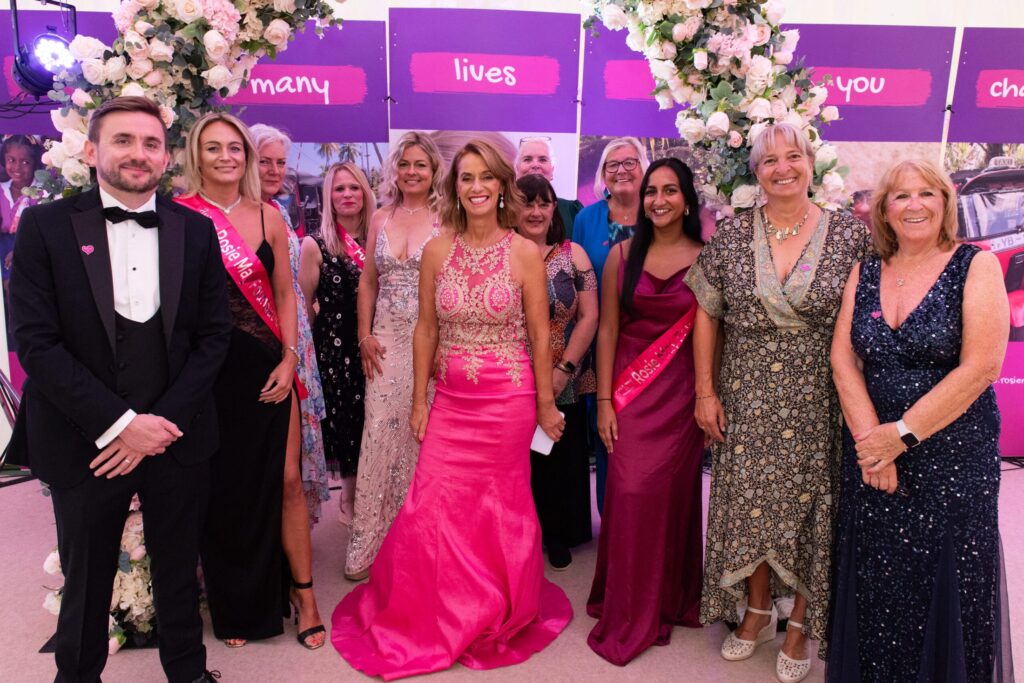
The thank-you on the night is only the start. My guide on how to thank donors covers the follow-up.
Speech examples to adapt, not read out
These speech examples are scaffolding. The best speech for a charity event sounds like the person giving it.
- Read it aloud and time it. Cut anything the speaker stumbles over.
- Rehearse the handover.
- Plan for emotion: water on the lectern, permission to pause, and someone ready to finish if the speaker asks.
- If the night runs late, trim the speeches. Leave the ask alone.
The host’s side of these moments is in my guide on how to MC a charity event. If you’d like a hand shaping the appeal for your own night, call me on 07596 851647. I’d rather talk it through than trade emails.
Kevin Durham
Charity auctioneer & event host