
Prize and donation ideas for a charity auction

In short
- The best charity auction donation ideas come from local businesses and sponsors, approached directly rather than through a commission-based lot supplier.
- A specific, genuine ask outperforms a generic request for “any support you can offer” almost every time.
- Not every donated item is bid-worthy. Filler items drag down a catalogue’s overall energy.
- A short thank-you template, agreed before you ask, makes the exposure worth a business’s while.
- Pair strong donated prizes with fundraising games for the items that are not quite auction-grade but still deserve a place in the evening.
Good charity auction donation ideas rarely come from a supplier catalogue. They come from a specific, well-made ask to a business or individual who has a genuine reason to say yes.
Where do the best charity auction donation ideas actually come from?
The best donation ideas come from local businesses, sponsors, and individual donors approached directly, rather than sourced through a commission-based lot supplier that takes a cut of whatever the item raises.
In my experience, sourcing lots in-house, guided by someone who knows what a room will actually bid on, keeps significantly more of the value with the charity than routing donations through a third-party supplier. A direct ask to a local restaurant, salon, or retailer costs nothing beyond the conversation itself.
How do you actually ask a business to donate a prize?
Ask specifically: name your cause, your event date, what you are requesting, and exactly what exposure the business receives in return, rather than sending a generic request for “any support you can offer.”
A vague ask is easy to ignore. A specific one is easy to say yes to. Something along the lines of “we are running a charity auction on [date] for [cause], and we would love to include a [specific item or experience] from you, with your name credited in our catalogue and announced from the stage” gives a business owner a clear picture of what they are agreeing to and what they get for it.
What actually makes a donated item bid-worthy?
A bid-worthy donated item has a clear, specific value or experience attached to it, rather than being generic or low-value filler that nobody in the room particularly wants.
Not every kind offer belongs in your live auction. A branded pen set or a generic gift basket rarely earns a place on stage, however well-meaning the donor. Save those for a raffle table or a smaller silent auction lot, and reserve your live auction slots for items with a genuine story or clear value: an experience, a signed item, a specific service worth having.
Should every donated item go into the live auction?
No. Weaker or lower-value donated items are usually better placed in a silent auction, a raffle, or a small giveaway, keeping your live auction catalogue focused on items strong enough to hold the room’s attention.
I have seen well-intentioned organisers try to give every donor a moment on stage, and it drags the pace of the whole evening. A live auction with too many low-energy lots loses momentum between the strong ones. Better to be selective: put your best donated items in the live auction, and give everything else a home elsewhere in the evening.
How do you thank a business donor properly?
Agree the thank-you in advance: a clear catalogue credit, a mention from the stage when the item comes up, and ideally a follow-up after the event confirming what was raised because of their contribution.
This is worth treating as seriously as the ask itself, because it is a large part of why a business donates again next year. A donor who sees their name clearly credited, hears it announced on the night, and later learns what their item helped raise is far more likely to say yes again than one who is thanked vaguely in a group email weeks later.

Fundraising games and donated prizes fit well together
Smaller donated prizes that are not strong enough for the live auction still have a place: as prizes for fundraising games woven through the evening, keeping every donation useful without cluttering the catalogue.
This is a good way to make every donor feel valued without forcing weaker items into the live auction where they would underperform. A modest prize works perfectly as a game reward, giving guests a reason to engage even if they never bid on a single lot.
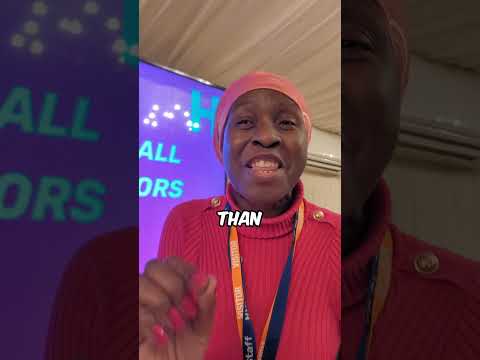
“Thank you so much for what you've done, you are absolutely amazing. You've got a special technique for getting people to give more than they want to, and you're very funny.”
A quick checklist for gathering charity auction donation ideas
- Approach businesses directly, not through a commission-based supplier.
- Be specific in your ask: cause, date, item, and exposure offered in return.
- Reserve the live auction for genuinely bid-worthy items, not every kind gesture.
- Give weaker donations a home elsewhere, in a raffle, silent auction, or fundraising game.
- Thank donors properly and specifically, so they are more likely to say yes again next year.
If you want a fuller framework for sourcing lots across every category, not just donated prizes, my guide on sourcing auction lots covers the same in-house principles, and my piece on the best auction items for charity events runs through what tends to perform well once you have gathered your donations.

Kevin Durham
Charity auctioneer & event host
Let’s talk
Bring this to your event
Book a free consultation with a charity auctioneer who has raised over £10 million.