
In short
- The best Halloween fundraising ideas use the costumes as a reason to gather, then put a proper fundraising moment in the middle of the night.
- The date never moves, so good venues go early. Book the room first, then build the programme.
- One raffle at a Halloween event is almost certainly an incidental lottery: physical tickets, sold at the event only, up to £500 of proceeds on prizes.
- Advertise it as a fundraising event and the VAT fundraising exemption can cover admission and the income you take on the night.
- Keep the live auction to a handful of strong lots, then run a live pledge. The pledge is where the real money lives.
Which Halloween fundraising ideas raise the most?
The Halloween fundraising ideas that raise the most money are the ones built around a ticketed night with a live auction and a live pledge in it, not a stack of small costume gimmicks. The costumes get people through the door. What you do after the main course decides the total.
A Finder survey of 2,001 UK adults in October 2026 put projected UK Halloween spending at £1.16 billion for that year, with 58% of people expecting to buy something at an average of £21 a head. People already spend on 31 October. Your job is to give them somewhere better to spend it.
What makes a Halloween charity night different from any other gala?
A Halloween night is louder, later and harder to hold than a standard black-tie dinner, because costume rooms arrive excited and stay excited.
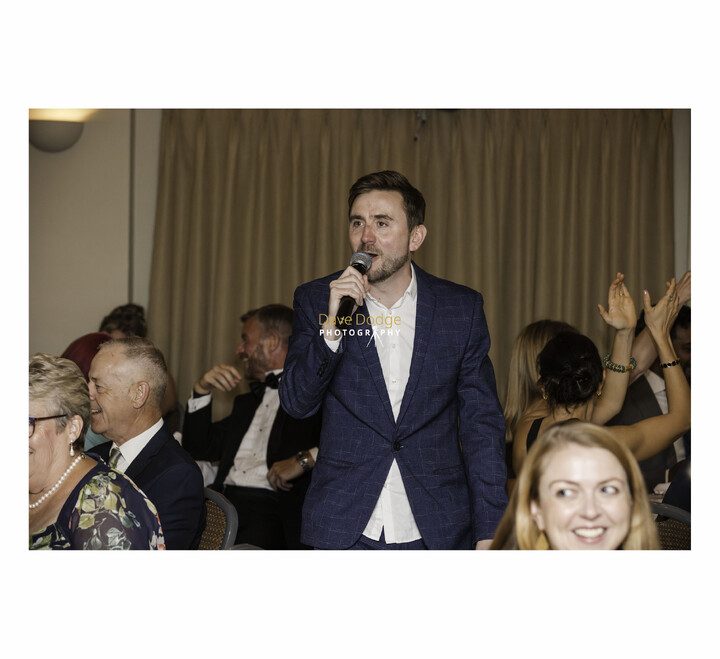
That cuts both ways. Energy is a gift when you want bidding, and a problem when you want silence for a speech about the cause. I learned that the hard way at an event running late with no video or speech to tee up the auction. I walked into the middle of the room, announced the live auction while people were still talking, and did not stop to get them quiet. Only a fraction of the room heard the lots.
Command the room first. Stand on a chair if you have to. Whoever holds the room holds the total.
Halloween fundraising ideas for a charity night
Here are the ideas I would actually put on a running order, roughly in the order they work best:
- Costume competition with a paid entry. £2 to enter, judged between courses, winner chosen by applause. It gets people out of their seats early.
- Best-dressed table. Tables decorate their own centrepiece. It gives corporate guests something to compete over before any money is asked for.
- Pumpkin carving or decorating contest. Charge entry, display the results on the way in. Hubbub points out that carving pumpkins are grown for size, not taste, so pick small ones if the kitchen plans to cook with them afterwards.
- Trick or treat tables. Sealed envelopes on each table, some holding a prize, some holding nothing, all bought for a fiver.
- Costume swap. Hubbub reckons nearly half of Halloween costumes are thrown out after a single wear. A swap rail costs nothing to run.
- Spooky film night. Fine as a smaller fundraiser, though one UK charity’s Halloween guide rightly flags that showing a film outside the home needs a licence from the copyright owner, paying audience or not.
I do not run casino nights, so I will not pretend a Halloween roulette table is the answer. There are better ways to get a costumed room competing, and most of them are in my fundraising games guide.
How do you build the programme for a Halloween fundraiser?
Build it as three blocks: warm the room, feed the room, then ask the room.
Open with a game that gets everyone standing inside five minutes. I usually run Heads or Tails: it takes about four minutes and the room is warm before the main course. Serve dinner and let people breathe, with the in-house silent auction and raffle tickets doing quiet work in the background. Then take the room back for the auction and the pledge, when nobody has food going into their mouth.
The British Heart Foundation suggests selling whole tables to businesses and asking helpers whether their employers run matched giving. Both are easier before the night than on it. The same guidance says to share the counting and banking of cash between more than one person, and the Charity Commission’s fundraising guidance lists theft from cash collections as a real risk trustees must have policies for.
How should the auction work at a Halloween event?
Keep it to a handful of strong lots and let the theme sit lightly on top of them.
Ten great lots beat fifty average ones. One themed lot is plenty: a haunted-house visit, a Halloween weekend away, a box at a fireworks display. The rest should be things people wanted anyway. My notes on the best lots cover what reliably sells and what quietly flops.

Say the value out loud before each lot. HMRC’s Gift Aid rules on charity auctions let you treat anything paid above the value of a lot as a donation, but only if that value is made clear to bidders before it is sold.
Why run a live pledge on Halloween?
Because a pledge is the only part of the night where every guest can give, at the level they choose, with no lot to win.
A costumed room is a generous room once you get it quiet. Dim the lights, let someone with a personal reason speak for ninety seconds, then ask for £100, then £50, then £20. The tone shifts from banter to the cause here, but it is not a funeral. The excitement should build as the total climbs.
The Jigsaw Trust expected £14,000 from their live auction. The auction made £27,000, and a live pledge they had not even planned for raised another £30,600. That was a powerful team behind a powerful charity, and it is why I will always argue for a live pledge over another ten lots.
One thing to remember: ticket money is not a donation. HMRC is clear that payment for a ticket to an event you organised does not qualify for Gift Aid, although a suggested donation alongside the ticket does, as long as people can come without paying it.
What are the UK rules for a Halloween raffle or tombola?
A raffle held at your Halloween event is almost certainly an incidental lottery, and the Gambling Commission does not require a licence for one.
The rules are specific. Tickets must be physical tickets sold at the event itself while it is taking place, so no selling online or in advance. You can take up to £100 of the proceeds for running costs and up to £500 for prizes, though donated prizes are not capped. Prizes cannot roll over to the next draw.
Want to sell tickets in advance or online? That is a small society lottery, and the Fundraising Regulator confirms you would need to register with your local authority first. Donated prizes are cheaper either way, and there are plenty of options in my raffle prizes guide.
Tax, food and safety paperwork worth sorting early
None of this is glamorous, and all of it is cheaper to handle in advance.
- Advertise it as a fundraising event. VAT Notice 701/1 says events organised primarily to raise money are exempt from VAT if they are advertised as a fundraising event, covering admission and other income taken on the night. The exemption stops at 15 events of the same kind in a financial year at any one location.
- Risk assessment. The Code of Fundraising Practice requires an appropriate risk assessment first, including being clear who is insuring against what.
- Food. If volunteers are cooking or supplying food, you may count as a food business and need to register with the local authority, and allergen rules then apply. The same guidance warns that food left at 8°C or above for four hours or more may no longer be safe.
- Licences. Playing recorded music usually needs a licence, as does showing a film.
- Outdoor trails. For anything bigger than a hall, check whether your council has a safety advisory group. The HSE notes that SAGs cannot approve or prohibit an event and that small community fetes rarely need one.
Low-cost Halloween fundraising ideas away from the ballroom
Not every Halloween fundraiser needs a venue. These cost close to nothing:
- A dress-up day at work, with a donation to take part.
- A bake sale of themed treats, run by one team rather than everyone at once.
- A sponsored silence, which is funnier than it sounds when everyone is in costume.
- A pumpkin trail around a village, with a map sold for a couple of pounds.
What if Halloween is only days away?
Then run the simplest thing that still asks people for money properly.
With under a week, forget the ticketed dinner. Do a costume day with a donation to enter, add a raffle with donated prizes at a gathering you are already holding, and put two people on counting the cash.
Then start on the bigger night early, because the date never moves: 31 October, every year. A room that works at Halloween usually works again in December, and my Christmas fundraising guide picks the calendar up from there.
Where I come in
Most of a Halloween fundraiser is your team’s work: the venue, the costumes, the pumpkins, the tickets. The part I am brought in for is the middle of the night, when the room has to go quiet and the money has to come in.
If you are planning one, call 07596 851647. I would rather talk it through than swap emails.

Kevin Durham
Charity auctioneer & event host