

In short
- Pick the charity first and ask for its free fundraising pack. Mind, Samaritans and the Mental Health Foundation all offer one.
- Match the format to your supporters: a ball or dinner for big money, a quiz, brunch or workplace day for reach.
- Mental Health Awareness Week is set for 10 to 16 May 2027, and World Mental Health Day is every 10 October.
- Run a live pledge, but a gentle one: no names called out, no pressure, and a quiet way to give.
- Leave the facts to the charity, avoid medical claims, and tell guests where to find support.
A good mental health fundraiser raises money and leaves everyone in the room feeling better looked after than when they arrived. That means choosing the charity first, picking an event your supporters will enjoy, and asking for money in a way that never leans on anyone.
I’m Kevin Durham, a charity auctioneer and event host. On a cause like this, the tone of the night matters as much as the total. Here are the formats that work, the dates worth planning around, and how I’d run the ask with care.
What makes a good mental health fundraiser?
A good mental health fundraiser is one your supporters want to attend, run with the charity’s blessing, and built around one clear, comfortable moment to give. The format comes second.
The cause reaches almost every room. Mind’s statistics page, published in September 2025, says 1 in 5 people in England report a common mental health problem, such as anxiety or depression, in any given week (from a 2023/24 survey). So assume some of your guests are living with it, or caring for someone who is.
That’s a reason to plan the evening with care, not to make it gloomy. People give generously when they feel warm, welcome and listened to.
Which mental health fundraiser ideas raise the most?
The mental health fundraiser ideas that raise the most are ticketed evenings with a short live auction and a live pledge, because a room of generous people sets its own ceiling. Smaller events matter too: they bring in new supporters and keep the conversation going all year.
| Format | Best for | Where the money comes from |
|---|---|---|
| Charity ball or gala dinner | Charity supporters, corporate tables | Tickets, live auction, live pledge |
| Sports challenge with an evening dinner | Clubs, colleagues, running groups | Sponsorship, then the dinner auction |
| Quiz night | Workplaces, schools, villages | Entry fees, raffle, games |
| Music night | Bands, choirs, local venues | Tickets, collection, raffle |
| Brunch, coffee morning or bake sale | Anyone, at any size | Donations, sales |
| Workplace awareness day | Offices, teams | Payroll giving, matched giving, collections |
The charities publish their own lists of fundraising ideas for mental health. Mind’s fundraising ideas run from coffee mornings and bake sales to a music night, a Big Brunch and fundraising at work, and its free pack includes a guide and a Mind t-shirt. Samaritans suggests a charity ball, a quiz night or a mufti day, and can send collection boxes and banners. The Mental Health Foundation adds Tea & Talk events and sports challenges.
If you want one evening to carry most of the year, my charity ball guide covers the planning, and there are more formats in my fundraising events roundup.
Dates to build a mental health fundraiser around
An awareness date gives your event a reason to happen now and lines it up with the charity’s own publicity.
- Mental Health Awareness Week, run by the Mental Health Foundation, ran from 11 to 17 May in 2026 and is set for 10 to 16 May 2027. The Foundation’s Wear It Green Day falls within it.
- World Mental Health Day is every 10 October, according to the World Health Organization. Good for a workplace event or a Tea & Talk.
- For Children’s Mental Health Week, Place2Be’s Express Yourself Day is on Friday 5 February 2027, a natural fit for schools.
- November is Movember’s month, and that has its own guide on this site.
A workplace event in May or October is the easiest win. For ways to get colleagues involved, see my corporate fundraising guide.
How do you run a live pledge without pressure?
You run a live pledge without pressure by making giving easy and saying no easier. Set a few clear levels, never single anyone out, and give guests a quiet way to give.
The live pledge is the most powerful segment of any evening I host: guests give straight to the charity’s work, with no lot to win. For this cause I change how I run it. The auction banter goes, I slow right down, and the charity’s speaker does the heavy lifting. Then I ask once, clearly, and thank every hand that goes up. Whatever the room gives, the credit belongs to the charity’s team, not the person holding the microphone.
The Fundraising Code agrees. It asks fundraisers to avoid undue pressure and to accept a request to end an interaction. It also says not to accept a donation if you have reason to believe the person cannot decide for themselves.
In practice, that looks like:
- Levels tied to real work. As of October 2026, Samaritans says £10 could help answer a call for help, £133 could help train a new listening volunteer, and £680 could help keep its helpline open for an hour. Concrete levels like these make the ask feel gentle.
- A private way to give. Pledge cards on the table or a QR code, as well as hands in the air.
- No chasing. Never approach a guest with food going into their mouth, and never ask twice.
- Honesty about the money. At an MS UK event (a multiple sclerosis charity), I told the room exactly where every pound was going. The live pledge raised £8,300, all of it to the charity. The money followed the transparency.
The full structure is in my piece on the live pledge.
How should you talk about mental health on the night?
Talk about mental health in the charity’s words, not your own. Let the charity supply the facts and the stories, and keep the host’s job to welcoming, thanking and asking.
- No medical claims. Do not promise that a donation, an activity or a run will improve anyone’s mental health. Say what the money funds, in the charity’s terms.
- Only the charity’s figures. If you use a statistic, take it from the charity’s or the NHS’s own pages and say when it was published.
- A briefed speaker. A person sharing lived experience should choose what they say, with the charity’s support, and know they can stop.
- Care around suicide. If the charity’s work includes suicide prevention, follow Samaritans’ media guidelines: no method details, no speculation about a single cause, and always signpost support.
That last point applies to the whole evening. Put a support line in the programme and on the screen at the end. Samaritans answers on 116 123, free, 24 hours a day, 365 days a year. The NHS advises calling 111 and selecting the mental health option for urgent help, or 999 if a life is at risk.
Looking after the room
The best mental health fundraiser feels like a good night out that happens to have a purpose. Keep it warm, even fun in places. The care goes into small practical things.
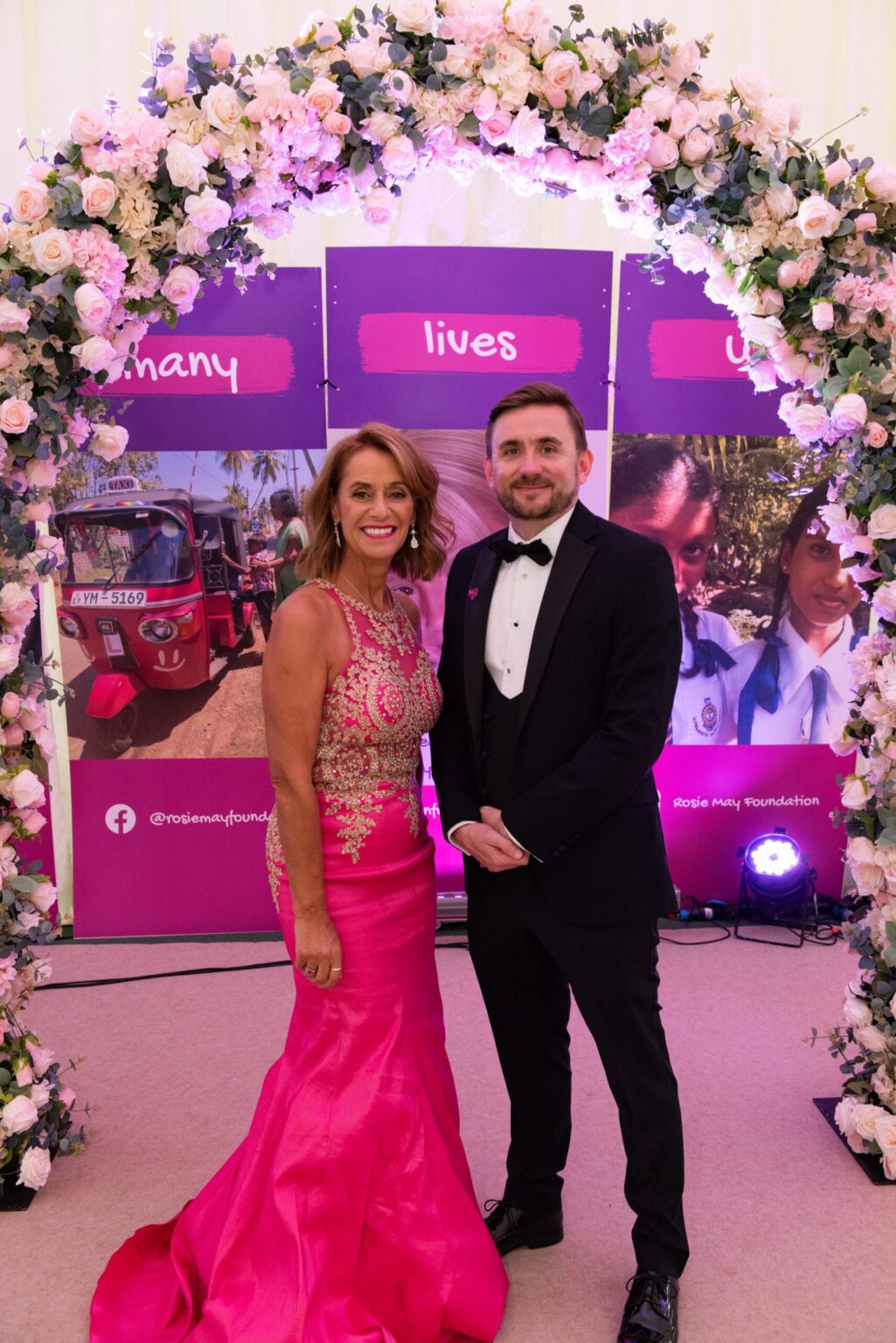
Command the room before any ask. Get it quiet, make sure everyone can hear, and only then hand over to the charity. Whoever holds the room holds the total. Agree a quiet corner where a guest can step out, and make sure the charity’s team knows who to talk to if someone becomes upset. Keep the programme tight, too: a tired room gives less.
If you are starting smaller, my list of easy fundraising ideas has formats that need very little budget. Afterwards, pay the money in promptly, thank everyone by name where you can, and send the final total to the charity so it can share it.
If you’re planning a fundraiser for mental health and want to talk through the auction and the pledge, call me on 07596 851647. I’d rather talk it through than trade emails.
If anything here has affected you, you can call Samaritans free on 116 123, day or night.

Kevin Durham
Charity auctioneer & event host