Tag: auctioneer

  • Searching for an auctioneer near me? Here’s what actually matters for a charity event

    Searching for an auctioneer near me? Here's what actually matters for a charity event

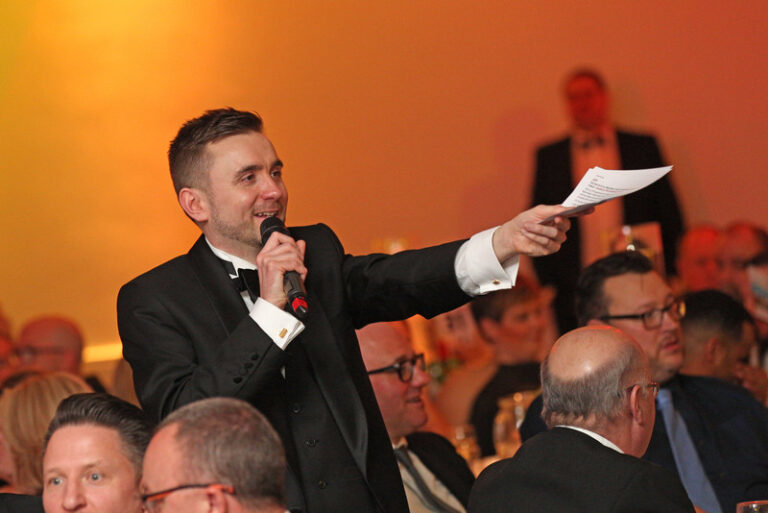
    Charity auctioneer Kevin Durham in a burgundy dinner jacket working the room with a microphone

    In short

    • Most people searching “auctioneer near me” want an antiques, house clearance, or property auctioneer, not someone to run a charity gala.
    • If you’re planning a charity auction or fundraising event, you need a different kind of auctioneer altogether.
    • Proximity matters less than it seems. Professional charity and event auctioneers typically travel to you rather than working from one local base.
    • What actually matters is experience with your type of event and verifiable results, not postcode.

    Search “auctioneer near me” and you’ll mostly find local auction houses selling antiques, furniture, and house clearance lots, plus the odd property or agricultural auctioneer. If that’s what you’re after, this isn’t the post for you. But if you searched that phrase because you’re planning a charity auction, gala dinner, or fundraising event, you’re looking for something else entirely, and proximity matters far less than you’d expect.

    It’s worth being upfront about that split, rather than pretending the search term means something it doesn’t. Most of what ranks for this phrase is genuinely useful if you’re clearing a house or selling a painting. It just isn’t the right starting point if you’re trying to raise money for a charity at a gala dinner.

    Why does “auctioneer near me” mostly return antiques and property auction houses?

    Because that’s what most people searching the phrase actually want: valuations, house clearances, weekly antiques sales, or a local saleroom to sell through. Nothing wrong with that. It’s just a different service from running a live auction and pledge drive at a charity gala.

    A charity or event auctioneer works from a completely different skill set: reading a room of donors, building bidding momentum across an evening, and running a pledge drive, not appraising furniture or handling a saleroom clearance. The two roles even sound similar on paper (both involve a gavel and a room full of bidders) but the job underneath is nothing alike. One is judged on hammer price against a valuation. The other is judged on how much a room of guests gives across an entire evening.

    If that’s the kind of event you’re planning, you can read more about how a charity fundraising auction format actually runs, and how it differs from a commercial sale.

    Does it matter if the auctioneer isn’t near me?

    Not as much as it seems. Most professional charity and event auctioneers travel to the event rather than working from a single local base, so who’s available for your date usually matters more than who’s geographically closest.

    I work across the UK, Europe, and the US rather than one region. A gala dinner in one city, a yacht club event on the Riviera, and a corporate fundraiser somewhere else entirely can all fall in the same season, provided the dates line up. You can see the full range of what an auctioneer services package covers, wherever your event is happening.

    Across the UK that includes cities such as London, Manchester, Birmingham, Leeds, Liverpool, Newcastle and Nottingham, and counties such as Surrey, Hampshire, Essex, Hertfordshire and Northamptonshire, alongside international galas in Monaco and Spain.

    This is one of the clearest differences between a commercial auctioneer and a charity or event auctioneer. A local saleroom depends on foot traffic and a regular base of buyers and sellers nearby, so proximity is central to how it works. A charity gala is a single evening built around your guest list, your lots, and your cause. The auctioneer’s job is to show up prepared and run that one evening well, not to be conveniently placed for repeat passing trade.

    What actually matters more than location?

    Experience with your specific type of event and verifiable results matter far more than how close the auctioneer is based to your venue.

    Ask whether they’ve run galas, pledge drives, or fundraising dinners specifically, and ask for real numbers from past events rather than vague praise. A short pre-event consultation is also worth checking for: it tells you a lot about how seriously someone takes the planning stage, not just the night itself.

    A few quick checks worth running before you book anyone:

    • Have they run this type of event before, not just general auctions or corporate hosting?
    • Can they point to real totals from past events, not just warm testimonials?
    • Do they offer to talk through your audience, lots, and programme before the night?
    • What’s actually included across the evening, not just the auction segment itself?

    See more on what to look for before you book a charity auctioneer.

    What clients say after finding the right auctioneer

    Organisers on working with Kevin

    None of the clients below chose based on postcode. Connor Nottingham, who booked me for a corporate fundraising event, put it this way: “Kevin’s professionalism, energy, and ability to engage the audience played a big part in the event’s fundraising success, we’re grateful for his contribution.” Kristen Kemmet, a Group Charity Coordinator, said: “Kevin was a host for an event I was involved in planning, he had incredible enthusiasm and was a great source of advice in our planning as well! Would recommend him 100% if you’re looking for a great host and/or auctioneer for an event!”

    Emma Hallam booked me for a fundraising ball in Nottingham for Alex’s Wish: “Kevin was a great MC for our recent fundraising ball, we was engaging and helped us to raise over £20K for our cause through our live and silent auction.” And at the far end of the distance scale, annette zierer booked me for a charity gala in aid of the Sheba Medical Center at the Yacht Club in Monte Carlo, under the patronage of H.S.H. Prince Albert II of Monaco: “Due to his brilliant auction and donations we raised over 1 million Euro, so a big congrats on this fantastic job!”

    A UK corporate fundraiser, a fundraising ball in Nottingham, and a yacht club gala in Monte Carlo have little in common except this: none of these clients picked their auctioneer because he happened to be nearby. In each case, the decision came down to the same things covered above: relevant experience, a track record they could check, and confidence that the auctioneer would show up prepared for their specific event.

    You can read more client reviews from events across different causes, sizes, and locations before you decide who to book. If you started this search typing “auctioneer near me,” it’s worth widening the question to who’s actually available and experienced for your event, rather than who’s on the map closest to your postcode.

    Kevin Durham, charity auctioneer

    Kevin Durham

    Charity auctioneer & event host

    20years£10m+raised60–80events/yr
    Check availability07596 851647

    Let’s talk

    Bring this to your event

    Book a free consultation with a charity auctioneer who has raised over £10 million.

  • Why corporate CSR events need a professional charity auctioneer, not just an MC

    Why corporate CSR events need a professional charity auctioneer, not just an MC

    Event host Kevin Durham hosting the National DevOps Awards, moving through the room between presentations.

    In short

    • A corporate charity auctioneer runs the fundraising mechanics of a CSR gala, lot sequencing, bidding momentum, and a structured pledge drive, which sits outside what a general MC is trained to do.
    • Most UK businesses give nothing to charity at all, and the ones that do are under more scrutiny than ever on whether their events actually deliver for the cause.
    • A corporate crowd behaves differently from a typical gala audience: colleagues, clients, and unfamiliar faces in the same room change how bidding and generosity actually play out.
    • An MC can carry a programme and introduce speakers well without being able to drive competitive bidding or read a room mid-appeal.
    • Choosing the right person for a corporate CSR event comes down to matching the skill to the moment: hosting for the programme, auctioneering for the fundraising itself.

    Hiring a corporate charity auctioneer rather than relying on a general MC is the difference between an evening that looks polished and one that actually raises significant money for the cause. Here is why that distinction matters for a CSR gala specifically, and what to look for when you are deciding who runs the fundraising part of your event.

    What does a corporate charity auctioneer actually do at a CSR event?

    A corporate charity gala for the Teenage Cancer Trust

    A corporate charity auctioneer runs the parts of the evening built specifically to raise money: sequencing auction lots for maximum bids, driving competitive tension between bidders, and structuring a pledge drive that converts the room’s goodwill into real donations.

    This is distinct from hosting the programme. An auctioneer’s job during the fundraising segments is to read the room in real time, adjust pacing based on how bidding is going, and push for one more bid rather than moving on too early. None of that is the same skill as introducing speakers or keeping a schedule on track.

    A corporate CSR event usually also has a specific charity partner attached, sometimes chosen by the business, sometimes voted on by staff. A good auctioneer weaves that connection into the fundraising itself, making the appeal feel personal to the company’s chosen cause rather than a generic ask bolted onto a work event.

    Why isn’t a professional MC enough for a corporate charity gala?

    A professional MC is not enough for the fundraising part of a corporate charity gala because running a live auction or pledge drive requires a specific skill set, reading bidder hesitation, building momentum, closing a lot at the right moment, that general hosting experience does not automatically provide.

    A skilled MC will keep a corporate evening running smoothly, manage transitions, and hold a room’s attention during speeches. But asking that same person to suddenly drive competitive bidding on a live auction lot, without experience doing exactly that, usually means lots close for less than they should, and pledge appeals fall flat instead of building the tiered momentum that actually raises money.

    The gap shows up most clearly in the moments that need a quick decision: when to keep pushing a stalling bid, when to name a table that has gone quiet, when to close a lot rather than let the room’s attention drift. Those are judgement calls built from experience running auctions specifically, not something a strong general presenting style automatically covers.

    How much do UK businesses actually give to charity?

    Most UK businesses give nothing to charity at all. Roughly three-quarters provide no charitable support through donations, volunteering, or in-kind giving of any kind.

    Among the businesses that do give, the numbers are still significant. UK businesses donated an estimated £4.2 billion to charity in 2024, with FTSE 100 companies accounting for nearly half that total at £1.85 billion, though only 24 of those firms met the benchmark of giving at least 1% of pre-tax profits. For a company that has committed to a CSR gala, that context matters: relatively few businesses bother to give at all, which makes it worth making sure the event you do run actually delivers for the cause rather than just looking good on the night.

    What makes a corporate crowd different from a typical gala audience?

    A corporate crowd differs from a typical charity gala audience because the room mixes colleagues, clients, and unfamiliar contacts who are there partly for the cause and partly for the professional occasion, which changes how comfortable people feel bidding publicly.

    Some guests will bid competitively in front of colleagues without hesitation. Others are more cautious about being seen to spend visibly at a work-adjacent event. An experienced auctioneer reads that mix quickly and adjusts pacing and tone accordingly, rather than running the same script regardless of who is in the room.

    Should you hire a charity auctioneer or a general event host?

    Hire a charity auctioneer specifically for the fundraising segments of your CSR event, and a general host or your own team for the rest of the programme, if you want both parts of the evening to work as well as they can.

    You do not have to choose one person for the entire evening. Many corporate events run a general host for arrivals, speeches, and transitions, then bring in a dedicated auctioneer purely for the live auction and pledge segments, where the specific fundraising skill actually matters.

    Structuring a corporate CSR fundraising event for maximum impact

    Build the evening so the fundraising segments get the attention and pacing they need:

    1. Use your general host or MC for the professional programme, introductions, speeches, and any awards or recognition segments.
    2. Bring in a dedicated auctioneer for the live auction, timed for when the room’s energy is at its peak.
    3. Close with a structured pledge drive, giving guests who did not win a lot a clear, tiered way to contribute.
    4. Thank donors and sponsors visibly, since corporate guests respond well to public recognition of generosity from their own company or peers.

    Common mistakes companies make when hosting a charity gala

    • Assuming any confident speaker can run an auction. Confidence on a microphone is not the same as knowing how to close a bidding war.
    • Treating the charity partner as a backdrop rather than a genuine focus. Guests notice when the cause feels like an afterthought to the corporate occasion.
    • Skipping a structured appeal because “the auction will cover it.” A well-run pledge segment consistently adds significant income beyond the auction alone.
    • Not briefing the auctioneer on company culture and sensitivities. A corporate crowd has dynamics a good auctioneer needs to understand in advance, not guess at on the night.
    • Overloading the evening with corporate messaging. A gala that feels like a sales pitch for the company rather than a fundraiser for the cause tends to undermine the very generosity it is trying to encourage.
    • Choosing lots that do not suit a mixed professional audience. What sells at a purely social gala does not always land the same way with clients and colleagues in the room together.

    What to look for when you hire a charity auctioneer for a corporate event

    Look for direct experience running both live auctions and pledge drives, comfort working an unfamiliar corporate room rather than a repeat client audience, and a clear plan for how they will pace the evening around your specific programme.

    A proper consultation before the event, covering lot sourcing, structure, and what your company and charity partner actually want from the evening, tells you more about whether an auctioneer is right for your event than a polished demo reel ever will. If your event is still at the ideas stage, pairing that planning with some creative fundraising approaches for the wider programme rounds out an evening that works as both a CSR occasion and a genuine fundraiser.

    Kevin Durham, charity auctioneer

    Kevin Durham

    Charity auctioneer & event host

    20years£10m+raised60–80events/yr
    Check availability07596 851647

    Let’s talk

    Bring this to your event

    Book a free consultation with a charity auctioneer who has raised over £10 million.

  • Charity gala Europe: lessons from a Monaco fundraiser that raised over 1,000,000 euros

    Charity gala Europe: lessons from a Monaco fundraiser that raised over 1,000,000 euros

    Charity gala Europe: lessons from a Monaco fundraiser that raised over 1,000,000 euros

    Kevin Durham in a tuxedo with a red bow tie speaking at a lectern microphone under a starlit backdrop

    In short

    • I ran a single-evening charity gala in Monaco that raised over €1,000,000, built on pre-event lot planning, a structured pledge drive, and pacing a high-net-worth, multilingual room.
    • Running a charity gala Europe-wide involves different logistics, insurance, and travel regulations than a UK-only event, and these need planning weeks in advance, not on arrival.
    • Europe’s wealthiest donors gave roughly a third of all ultra high net worth philanthropy globally in 2022, making the region genuinely significant for major fundraising events, not a niche add-on.
    • A multilingual audience needs pacing and translation planned into the programme itself, not handled on the fly.
    • The fundamentals that make any gala work, lot sequencing, room-reading, a well-structured pledge drive, matter even more once you are working across borders and cultures.

    Running a charity gala Europe-wide changes almost everything about the planning, from the legal groundwork to how you read a room that does not all speak the same first language. Here is what I learned running a gala in Monaco that raised over €1,000,000 in a single evening, and what it takes to bring that same result to a European fundraising event.

    What does hosting a charity gala Europe-wide actually involve?

    Hosting a charity gala Europe-wide involves the same fundamentals as any gala, lot sourcing, pacing, and a well-run pledge drive, layered with additional logistics: travel and insurance arrangements, currency decisions, and often a genuinely multilingual audience in the room.

    None of that changes the basic goal. The evening still needs to build momentum, sequence its strongest moments correctly, and give guests a structured way to give generously. What changes is the margin for error. A logistics mistake abroad is harder to fix on the night than one at a familiar UK venue.

    I have run events across the UK, mainland Europe, and the United States, and the venues, languages, and audiences vary far more than the fundraising mechanics themselves. What stays constant is that guests respond to a well-run room, wherever that room happens to be.

    What made the Monaco gala raise over one million euros?

    Inside a €1m Monaco charity gala

    The Monaco gala raised over €1,000,000 because of deliberate pre-event lot planning and sequencing, combined with a structured pledge drive built specifically for a high-net-worth, multilingual audience.

    I was engaged to run a single-evening fundraising gala in Monaco, and the result did not come from luck or a uniquely generous room. It came from planning the lot order in advance so the strongest items landed at the right moment, and from treating the pledge segment as seriously as the auction itself. Maintaining energy and urgency across a room where guests spoke several different first languages took a different kind of pacing than a UK gala, reading reactions and body language as much as verbal cues.

    That evening set my baseline for what a properly planned international event can achieve. My career started in rooms of real calibre, sharing a stage with Annie Lennox at my first charity event back in 2005, and Monaco was a reminder that the same preparation and room-reading that works at a UK gala scales up when the stakes and the audience change.

    How do you run a pledge drive for a multilingual audience?

    Run a pledge drive for a multilingual audience by keeping the ask simple, visual, and tied to clear numbers rather than relying on wordplay or lengthy appeals that do not translate cleanly across languages.

    Numbers, tiers, and paddles communicate regardless of first language. What does not translate well is a long, emotionally nuanced appeal delivered entirely in one language to a room where a meaningful portion of guests are following a second or third language. I lean on short, clear statements, repeated for emphasis, and let the energy of paddles going up do most of the communicating once the tiers are set.

    Social proof does even more work in this setting than at a domestic gala. Once a handful of guests raise their paddles at the top tier, that visible momentum crosses language barriers far more effectively than any spoken appeal could, and it is often what pulls a hesitant table into giving generously rather than watching from the sidelines.

    What legal and logistical rules apply to a charity gala Europe event?

    UK charities running events abroad need to sort responsibilities for bookings, travel, equipment, insurance, and health and safety clearly in advance, and in many cases comply with specific UK travel regulations even though the event itself is overseas.

    Two UK regulations apply directly when a charity’s fundraising event abroad involves travel: the Package Travel and Linked Travel Arrangement Regulations 2018, and the Civil Aviation (Air Travel Organisers’ Licensing) Regulation 2012. Most of the obligations fall on whoever is organising travel, which is why bringing in a specialist tour operator to hold that role is often worth the cost. Legal advice before committing to an overseas event is not optional caution, it is standard practice.

    Currency is worth deciding early too. UK charities running a European event should be clear from the outset whether pledges and bids are collected in euros or pounds, how that affects reporting back to UK trustees, and how any currency conversion is handled so the final total is not diminished by unfavourable rates or unnecessary fees.

    Why does Europe matter for high-net-worth fundraising?

    Europe matters because its wealthiest donors are a genuinely significant share of global philanthropy, not a niche extension of a UK fundraising strategy.

    Europe’s ultra wealthy gave roughly a third of all ultra high net worth donations globally in 2022, with one of the strongest growth rates of any region. For a charity weighing whether a European gala is worth the added complexity, that scale is the answer. The audience is there, and it gives generously when the event is run properly.

    Structuring a charity gala Europe event step by step

    Build the evening with extra runway compared with a domestic event, since logistics abroad take longer to confirm:

    1. Start venue, travel, and insurance planning months earlier than you would at home. Cross-border logistics rarely move at UK speed.
    2. Confirm language needs early, deciding which parts of the programme need translation or a bilingual host, rather than discovering gaps on arrival.
    3. Sequence lots exactly as you would domestically, saving your strongest items for the point in the evening where energy peaks.
    4. Run the pledge drive with simple, visual, tiered asks that carry across language barriers without losing their impact.
    5. Build in a buffer day before the event to catch any last logistical issues before guests arrive.
    6. Decide your reporting currency and conversion approach in advance, so trustees back home have a clear, accurate final figure without confusion over exchange rates.

    Common mistakes when hosting a gala abroad

    • Underestimating travel regulation obligations. These are UK legal requirements that still apply even though the event is overseas.
    • Assuming English alone will carry the room. A high-net-worth European audience is often multilingual, but assuming everyone follows nuance in a second language is a mistake.
    • Treating the pledge drive as secondary to the auction. Abroad or at home, it is frequently the highest-earning segment of the night.
    • Not building in contingency time. International logistics have more points of failure than a domestic event, and a tight schedule leaves no room to absorb them.
    • Choosing a host or auctioneer without cross-cultural experience. Reading a room of mixed nationalities is a genuinely different skill from reading a familiar domestic crowd, and it shows on the night if the person running the evening has not done it before.

    What I learned from running galas across Europe

    The fundamentals do not change abroad. What changes is how much they matter. Reading a room becomes harder and more important at once when guests come from different cultures and languages, and the difference between an average night and one that raises over €1,000,000 comes down to preparation most guests never see: the lot sequencing decided weeks earlier, the pledge tiers rehearsed until they land cleanly in any language, the logistics sorted so nothing visible goes wrong.

    If you are weighing up a European or international event for your charity, that preparation is exactly what my fundraising services and event consultancy are built around, backed by direct experience running events across the UK, Europe, and the United States, not just a domestic playbook applied abroad and hoped for the best.

    Kevin Durham, charity auctioneer

    Kevin Durham

    Charity auctioneer & event host

    20years£10m+raised60–80events/yr
    Check availability07596 851647

    Let’s talk

    Bring this to your event

    Book a free consultation with a charity auctioneer who has raised over £10 million.

  • Arts gala fundraising: running a charity auction for a creative crowd

    Arts gala fundraising: running a charity auction for a creative crowd

    Arts gala fundraising: running a charity auction for a creative crowd

    MAG CharityBall 2025

    In short

    • Arts gala fundraising works best when the auction leans into storytelling and provenance, not just the visual appeal of the piece on the wall.
    • Original artwork, commissions, and studio experiences all sell well at an arts gala, often outperforming generic physical lots.
    • UK Artist’s Resale Right can apply to resold artwork sold through an auctioneer above £1,000, which affects how certain lots should be handled.
    • An arts crowd responds to narrative pacing rather than pure competitive pressure, so the room needs a different rhythm from a corporate gala.
    • A well-run arts gala combines a tight live auction of standout pieces with a pledge drive that keeps the emotional case for the cause front and centre.

    Arts gala fundraising rewards organisers who understand that a creative audience does not bid the same way a corporate crowd does. The room responds to story, provenance, and connection to the artist as much as to the piece itself. Here is how to structure an arts-focused charity auction so it plays to that strength rather than fighting against it.

    What makes arts gala fundraising different?

    Arts gala fundraising differs from a standard charity auction because the audience is there partly for the art itself, not just the cause, which means the auction has to do double duty as both a fundraiser and a genuine showcase.

    Guests at an arts gala often include collectors, gallery contacts, and artists themselves, alongside the usual mix of supporters and corporate tables. That audience notices when a piece is presented well, and notices even more when it is not. Treating the auction as a proper exhibition moment, not an afterthought between courses, changes how the room responds.

    Most of the general principles behind a strong charity auction still apply here: sourcing well, pricing sensibly, and structuring the evening around a handful of standout moments rather than a long, undifferentiated list. What changes for an arts crowd is how much weight presentation and story carry compared with a typical gala.

    What auction lots work best at an arts gala?

    Auctioning artwork at a charity event

    The strongest lots at an arts gala are original artwork with a clear story, commissioned pieces created specifically for the event, and studio or creative experiences that give guests direct access to an artist’s process.

    A commissioned piece, made for the evening and revealed on the night, consistently outperforms a piece pulled from an artist’s existing stock, because the room is watching something come into existence specifically for the cause. Studio visits, a private sitting, or a collaborative piece guests can watch being made all trade on the same instinct: access money cannot normally buy.

    The same sourcing principles that apply to any charity auction item hold true here too: ask specifically, ask early, and lean on your existing network of artists and collectors before considering a paid supplier. Many artists are glad to donate a piece to a cause they believe in, particularly when the event gives their work genuine visibility in front of a room of potential future buyers.

    How should you price and present art at a charity auction?

    Price art at a charity auction using a realistic estimate range based on the artist’s typical market value, presented clearly alongside the piece, so bidders have a confident starting point rather than guessing.

    Presentation matters as much as pricing. A well-lit display, a short note on the artist and the piece’s story, and a visible link back to the cause all raise the room’s confidence before bidding even opens. Rushing past a piece with a single sentence undersells work that may have taken weeks to create.

    Where possible, involve the artist in setting the estimate. They usually have a clearer sense of comparable sales than an organiser guessing from scratch, and a realistic estimate range does more to encourage confident bidding than either an inflated figure that scares guests off or an unrealistically low one that undersells the work.

    Does UK law affect art sold at your charity auction?

    Yes, in specific circumstances. UK Artist’s Resale Right can apply when an original work is resold through an auctioneer or other art market professional for £1,000 or more, entitling the artist or their estate to a royalty on the sale.

    The resale right applies for the artist’s lifetime and 70 years after their death, on a sliding scale starting at 4% and falling as the sale price rises. It matters for gala organisers specifically when a donated piece is a resale, a work someone already owns and is donating from their collection, rather than something an artist is contributing fresh for the event. Sales to non-profit museums are exempt, but a standard charity gala auction generally is not, so it is worth checking provenance before pricing anything of meaningful value.

    Why does an arts audience respond differently to pacing?

    An arts audience responds to narrative pacing because the value of a piece is emotional and story-driven as much as financial, so rushing the sale undercuts exactly what makes the room want to bid.

    A corporate crowd will happily move through ten lots at speed, chasing a number. An arts crowd wants a moment with each significant piece: a line about the artist, the story behind the commission, why this particular work matters to the cause. Two or three well-told lots often outraise a rushed run of eight.

    Structuring your arts gala fundraising evening for maximum bids

    Build the evening so the art gets room to breathe without losing the momentum a fundraiser still needs:

    1. Exhibit the pieces before the auction begins, giving guests time to view the work properly over drinks or during dinner.
    2. Open the live auction with a strong but not your best piece, warming the room’s bidding confidence before the standout lot.
    3. Give your top two or three pieces real time. Let the story land before opening the bidding, rather than rushing straight to numbers.
    4. Close with a pledge drive, timed for once the auction has demonstrated the room’s generosity, to capture guests who did not win a piece but still want to give.

    This final step matters more at an arts gala than people expect. Plenty of guests who love a piece will not win it, and a well-run pledge segment gives them a meaningful way to support the cause anyway, rather than leaving the room having spent the evening as spectators.

    Common mistakes at arts gala auctions

    • Treating every lot the same. A standout commissioned piece deserves more time than a smaller print, and the pacing should reflect that.
    • Skimping on presentation. Poor lighting or a rushed introduction undersells a piece that may have taken significant time and skill to create.
    • Ignoring provenance and resale right obligations. Sorting this before pricing avoids an awkward conversation after the sale.
    • Letting the auctioneer rush a room that wants to linger. An arts crowd needs a different rhythm from a standard gala, and forcing the pace works against the room rather than with it.
    • Not confirming insurance and handling for high-value pieces. Original artwork needs careful transport and display, and this is worth sorting well before the event, not the week of.
    • Undervaluing the artist’s presence. If the artist attends, giving them a moment to speak about the piece adds real value to the room and to the final bid.

    Getting the storytelling right for a creative crowd

    The auctioneer’s job at an arts gala is closer to that of a gallery host than a standard fundraising auctioneer. Building a short, genuine narrative around each significant piece, giving the room space to appreciate it, and only then building bidding momentum is a different skill from the fast-paced, high-energy pacing that works at a corporate dinner.

    Getting that balance right, enough pacing and energy to keep the fundraiser moving, enough patience to let the art and its story land, is what separates an arts gala that meets its target from one where beautiful work sells for far less than it deserves.

    Kevin Durham, charity auctioneer

    Kevin Durham

    Charity auctioneer & event host

    20years£10m+raised60–80events/yr
    Check availability07596 851647

    Let’s talk

    Bring this to your event

    Book a free consultation with a charity auctioneer who has raised over £10 million.

  • How to source charity auction lots without losing money to commission

    How to source charity auction lots without losing money to commission

    How to source charity auction lots without losing money to commission

    Compressed

    In short

    • Charity auction lots come from three places: your own network, corporate sponsors, and third-party suppliers who take a commission.
    • Sourcing auction lots in-house, guided by an experienced auctioneer, keeps significantly more funds with the charity than using commission-based lot suppliers.
    • Experience-based lots (private dinners, behind-the-scenes access, signature skills) often outsell physical items and cost the charity nothing to source.
    • Gift Aid rules affect how a lot should be valued and priced, so it pays to get this right before the night, not after.
    • A simple sourcing checklist, run three months out, beats a scramble in the final fortnight.

    Where your auction lots come from has a direct effect on what your charity actually keeps. Get the sourcing wrong and a third-party supplier’s commission quietly eats into money that should have gone to your cause. Here is how to source charity auction lots properly, and what to watch for.

    Where do charity auction lots actually come from?

    Charity auction lots come from three main sources: your own network of trustees, staff, and supporters, corporate sponsors and local businesses, and commercial lot suppliers who provide packaged items in exchange for a cut of the sale price.

    Most charities default to the third option because it feels like the path of least resistance. Someone sends a catalogue, you pick a holiday package or a hamper, and it turns up ready to auction. It also means a slice of every winning bid leaves the charity before it even reaches your accounts.

    A healthy lot list usually leans heavily on the first two sources, with third-party suppliers reserved for the small handful of items nobody in your network could realistically provide. When the balance tips the other way, the auction starts to feel less like a fundraiser and more like a shop window, and your bottom line quietly pays for it.

    What’s wrong with commission-based lot suppliers?

    Commission-based lot suppliers reduce what your charity keeps from every lot they provide, typically taking a percentage of the final sale price off the top. On a night where every pound is meant to go toward your cause, that is money guests believe they are donating that never actually gets there.

    This is not to say every third-party supplier is worth avoiding. High-value experiences that genuinely cannot be sourced any other way, like certain travel packages, sometimes justify the arrangement. But as a default option for every lot on your list, commission suppliers should be the exception, not the rule.

    Run the numbers on a single lot and the gap becomes obvious. A holiday package that sells for £2,000 through a commission supplier taking a standard cut can hand back several hundred pounds less to the charity than the same lot sourced directly from a hotel or travel contact willing to donate outright. Multiply that across ten or fifteen lots on a catalogue and the difference between a good night and a great one often comes down to where the items came from, not how well the bidding went.

    How do you source auction lots in-house?

    You source auction lots in-house by asking directly, systematically, and early: trustees and major donors for high-value items, local businesses for products and services, and your own community for experiences only your organisation could offer.

    A structured approach beats a scattergun one. Build a simple wishlist first, based on what you know your audience will bid competitively on, then work through your network methodically:

    1. Trustees and board members. They often have access to items or contacts that never occur to staff, from a holiday property to a well-connected friend willing to donate their time.
    2. Corporate sponsors and local businesses. A restaurant, hotel, or retailer is frequently happy to donate in exchange for a mention on the night, a line in the programme, or simply the goodwill of supporting a cause their customers care about.
    3. Supporters with a skill or connection. A guest who can offer a private cookery lesson, a round of golf with a local pro, or a behind-the-scenes tour costs nothing and often outsells a bought item.

    Ask each source with a specific request, not a vague appeal. “Would you donate a two-night stay for six” gets a far better response than a general email asking if anyone has anything to give.

    What makes an experience-based lot better than a physical item?

    An experience lot in action: a private jet

    An experience-based lot often sells for more than a physical item because it offers something guests cannot simply buy elsewhere at any price. A private dinner with a well-known supporter, a behind-the-scenes studio visit, or a signed piece tied to a personal story creates emotional pull that a hamper or voucher rarely matches.

    Experience lots also cost the charity nothing to source. There is no wholesale price, no shipping, no unsold stock sitting in a cupboard afterward. The only investment is the ask itself.

    I have advised charities on this exact shift for years: moving even a third of their lot list from bought items to experiences noticeably lifts the final total, without adding a penny of cost.

    The lots that perform best usually involve access guests cannot buy anywhere else: time with someone they admire, a place they cannot normally visit, or a skill they would love to learn from the person offering it. Physical items still have a role, particularly for guests who prefer something tangible to take home, but they should not be the whole catalogue.

    Do Gift Aid rules affect how you source and price lots?

    Yes. How a lot is valued determines whether any part of the winning bid can be treated as a Gift Aid donation, so it is worth getting this right before pricing anything.

    For items with a normal retail price, the Gift Aid benefit is the retail price, not the final hammer price. If a bid genuinely exceeds that value, the overage can sometimes count as a donation, but only if the item could have been bought separately and the bidder knew its value at the time. Services that are not normally sold at all, including most experience lots, are valued at the full bid amount, meaning no portion is Gift Aid eligible.

    This is a detail worth confirming with your charity’s own finance guidance before the night, not something to work out afterward when a donor asks for a Gift Aid receipt you cannot legitimately provide.

    How I guide charities through lot sourcing

    Silent auction guidance is one of the services I offer alongside running the live auction itself: in-house consultation that helps organisations source lots and select the right approach, structured specifically to keep more of the funds with the charity by avoiding third-party providers.

    Most organisers do not need a commercial supplier. They need a clear plan, a deadline for each source of lots, and someone who has seen which items actually perform on the night versus which ones look good on paper and sell for far less than expected.

    Common lot-sourcing mistakes that cost charities money

    • Leaving sourcing until the final month. The best lots take weeks of relationship building, not days.
    • Overloading the catalogue. A long list of mediocre lots dilutes attention away from the handful that could raise real money.
    • Undervaluing experience lots. Skills-based and access-based lots are frequently priced too low because they feel intangible next to a physical item.
    • Ignoring Gift Aid at the pricing stage. Sorting valuation after the event creates paperwork problems that are entirely avoidable.
    • Defaulting to a commission supplier out of habit. It is the easiest option, not the best one for your bottom line.
    • Not confirming a reserve or minimum bid with the donor. A misunderstanding here can be awkward on the night, and easy to avoid with a five-minute conversation in advance.
    • Forgetting to thank donors publicly. A supplier or supporter who feels genuinely valued is far more likely to donate again next year.

    A simple lot-sourcing checklist to get started

    Start roughly three months before your event. Build a wishlist of 15 to 20 lots based on what your specific audience responds to, then split the list across trustees, corporate contacts, and supporter experiences before you ever consider a paid supplier.

    Set a soft deadline six weeks out to review what has come in, so there is still time to chase gaps, and a hard deadline two weeks before the event so descriptions, photography, and any print materials can be finalised without a last-minute scramble.

    Before anything goes into the auction ideas for the evening, confirm which lots belong in the live auction and which suit a silent auction instead. Getting that split right matters as much as the lots themselves: your three or four strongest lots deserve the live auction and a skilled auctioneer building competitive bidding, while a longer tail of smaller items can perform perfectly well running quietly in the background.

    If you want a second pair of eyes on your list before it goes anywhere near a spreadsheet, this is exactly the kind of planning I help charities with ahead of the night, alongside advice on which auction items are worth chasing hardest.

    Kevin Durham, charity auctioneer

    Kevin Durham

    Charity auctioneer & event host

    20years£10m+raised60–80events/yr
    Check availability07596 851647

    Let’s talk

    Bring this to your event

    Book a free consultation with a charity auctioneer who has raised over £10 million.

  • How to run a casino night charity fundraiser that actually raises money

    How to run a casino night charity fundraiser that actually raises money

    How to run a casino night charity fundraiser that actually raises money

    1

    In short

    • A casino night charity fundraiser uses fun-money chips at tables like blackjack and roulette, then converts entertainment into donations through entry fees, top-up purchases, and prizes.
    • Charity casino nights are legal in the UK under the Gambling Act 2005 without a licence, provided you follow the non-commercial gaming rules on charges and prize limits.
    • A casino night works best as entertainment that supports fundraising, not the fundraising mechanism itself. The real money still comes from ticket sales, sponsorship, and a well-run appeal.
    • Pairing a casino night with a short pledge drive or a small live auction segment consistently raises more than the tables alone.
    • Energy management matters more here than at a standard gala dinner, because guests are scattered across tables rather than facing a single stage.

    Running a casino night charity fundraiser well means treating the tables as entertainment, not the entire fundraising strategy. Here is how the format works, what UK law actually requires, and how to structure the evening so it raises real money rather than just filling the room with noise.

    What is a casino night charity fundraiser?

    A casino night charity fundraiser is an event where guests play casino-style games such as blackjack, roulette, and poker using fun-money chips instead of real currency, with the entertainment built around a fundraising structure rather than genuine gambling.

    Guests typically buy an entry ticket, receive a starting stack of chips, and can top up with additional donations throughout the evening. Prizes are awarded to top chip-holders at the end of the night, and croupiers run the tables to keep the games moving and the room engaged.

    The format suits audiences who want something more interactive than a standard dinner and speeches. Because guests move between tables rather than sitting through a single programme, a casino night tends to feel more relaxed and social than a formal gala, which makes it popular for corporate fundraisers and younger donor bases in particular.

    Is a charity casino night legal in the UK?

    Yes. Charity casino nights are legal under the Gambling Act 2005 and do not require a gambling licence, provided the event is run for charitable or non-commercial purposes and follows the rules for non-commercial gaming.

    The Gambling Commission sets out two main routes in its guidance. Under non-commercial prize gaming, players must be told in advance which cause benefits from the proceeds, and prizes are fixed and advertised ahead of time rather than depending on how many people play. Under non-commercial equal chance gaming, every player has equal odds, and there are hard limits on what you can charge and give away, covered below. Either way, the guidance is explicit: apart from reasonable costs, everything raised must go to the cause, with no private gain.

    How much can you charge and give away as prizes?

    Under the non-commercial equal chance gaming route, you can charge up to £8 per player per day, covering entry, participation, and any gaming-related payments, with total prizes capped at £600 across all players (or £900 for a final event in a series everyone has already played in).

    If those limits feel restrictive for a gala-sized fundraiser, the non-commercial prize gaming route is usually the better fit, since the £8 per person cap does not apply there, as long as prizes are fixed in advance and clearly tied to the announced cause rather than scaled to however many people show up. This is the structure most gala-style casino nights actually use, since it removes the per-head charge ceiling that would otherwise cap your ticket price.

    Fun chips or a live auction: how does the money actually get raised?

    The chips themselves do not raise money directly. The real fundraising comes from ticket sales, chip top-up purchases, table sponsorships, and whatever appeal or auction segment runs alongside the tables.

    This is the detail people miss when they picture a casino night as the fundraiser itself. It is entertainment that gives guests a reason to attend, stay engaged, and open their wallets throughout the evening, not a substitute for a structured ask. A casino night with no sponsorship, no top-up mechanism, and no separate appeal will feel like a great party and raise disappointingly little.

    Table sponsorship deserves particular attention, since it is often the largest single revenue line and the easiest to forget. A local business paying for the privilege of putting its name on the blackjack table costs nothing to arrange beyond an ask, and several sponsored tables can outraise the chip sales for the entire evening combined.

    How do you run a casino night for charity step by step?

    Structure the evening in five stages so the games support the fundraising rather than distract from it:

    1. Sell tickets with a built-in chip allocation, so the entry fee itself is the first donation.
    2. Offer chip top-ups throughout the night as an easy, low-friction way for guests to give more without a formal ask.
    3. Secure table sponsorships from local businesses in exchange for signage at a specific table.
    4. Run the tables for two to three hours, long enough to build energy without letting attention drift.
    5. Close with a short appeal or mini live auction while the room is still warm from the games, rather than letting guests drift home straight from the tables.

    Should you combine a casino night with a pledge drive or mini auction?

    Yes. Pairing a casino night with a short pledge drive or a handful of live auction lots consistently raises more than running the tables alone, because it captures generosity the games themselves cannot.

    Casino games are inherently social and dispersed across multiple tables, which makes them brilliant for engagement but weak at capturing a single, room-wide moment of generosity. A five-minute appeal or a short run of two or three strong auction lots, timed for when the tables wind down, gives the evening the concentrated fundraising moment that chips alone cannot provide.

    Keep this segment tight. Guests who have spent two hours enjoying blackjack and roulette will not sit through a lengthy formal auction, but they will happily respond to a short, well-paced appeal or a handful of standout lots run by someone who can hold the room’s attention for ten minutes rather than forty.

    Common mistakes that flatten a casino night’s energy

    • Running the tables for too long. Four or five hours of blackjack loses momentum well before the end.
    • No clear top-up mechanism. Guests will not know how to give more unless it is obvious and easy.
    • Skipping the appeal entirely. Assuming the tables will raise enough on their own usually falls short.
    • Understaffing the tables. Too few croupiers means guests queue instead of playing, and energy drops fast.
    • Ignoring the legal limits. Get the prize gaming rules wrong and you risk more than just an awkward conversation with the licensing authority.
    • No clear signal for when the games end. Without an obvious cue, guests keep playing chips instead of moving into the appeal, and the room’s energy fragments right when you need it focused.
    • Choosing games that intimidate newcomers. Poker can feel exclusive to guests who have never played. Blackjack and roulette are far more approachable for a mixed crowd.

    Getting the energy right at your casino night charity fundraiser

    Fundraising games like a casino night work best when they are treated as one part of a bigger evening rather than the whole plan. The right games create memorable moments and keep donations flowing throughout the night, but someone still needs to manage the transition from games to appeal, read when the room’s energy has peaked, and make sure that peak gets converted into a final push for the cause.

    That handover, from scattered table energy into one focused fundraising moment, is where most casino nights either find their biggest number of the evening or quietly lose it. Planning that transition before the night, not during it, is what separates a fun party from a fundraiser that meets its target.

    Fundraising games work best when someone is deliberately watching the room throughout, not just running the closing segment. A good host or auctioneer moves between tables during the games, gauges how the crowd is responding, and adjusts the timing and tone of the closing appeal based on what they have actually seen rather than a fixed script written weeks in advance. That kind of live hosting is what turns a well-organised event into one that meaningfully beats its target.

    Kevin Durham, charity auctioneer

    Kevin Durham

    Charity auctioneer & event host

    20years£10m+raised60–80events/yr
    Check availability07596 851647

    Let’s talk

    Bring this to your event

    Book a free consultation with a charity auctioneer who has raised over £10 million.

  • Sports dinner charity auction: how to structure the evening for maximum bids

    Sports dinner charity auction: how to structure the evening for maximum bids

    Sports dinner charity auction: how to structure the evening for maximum bids

    1

    In short

    • A sports dinner charity auction pairs a formal dinner with a live auction built around memorabilia, sporting experiences, and access most guests cannot buy elsewhere.
    • Sports crowds bid more competitively than a general gala audience, especially once two or three tables start chasing the same lot.
    • Verify sports memorabilia before it goes anywhere near the auction. Forged signatures are a genuine, well-documented risk.
    • A golf day pairs naturally with a sports dinner and can add a second, distinct income stream through entry fees, sponsorship, and its own mini-auction.
    • Structure and pacing matter more than the lots themselves. A sports crowd rewards a tightly run evening and punishes one that drags.

    A sports dinner charity auction works because it plays to exactly what a sporting audience already loves: competition. Get the structure right and that same competitive instinct that drives fans to follow a match closely will drive them to chase a lot at auction. Here is how to build an evening that turns that instinct into real money for your cause.

    What is a sports dinner charity auction?

    A sports dinner charity auction is a formal dinner event, usually built around a sporting theme, club, or personality, that includes a live auction of memorabilia, sporting experiences, and access lots alongside the meal and any speeches or guest appearances.

    These events range from a local club’s annual dinner to large-scale galas built around a national team or major sporting personality. What sets them apart from a standard charity gala is the audience: guests are there because of a shared sporting interest, and that shapes what sells and how people bid.

    Corporate tables are common at this kind of event too, particularly when a club or sponsor is involved. That mix of dedicated supporters and corporate guests gives the room a different texture from a typical fundraising dinner, and it rewards an auctioneer who can speak to both groups without losing either.

    Why do sports crowds bid differently?

    Sports crowds bid more competitively than a general audience because the instinct that makes them fans in the first place, wanting to win, wanting to be seen backing their team, carries straight into the auction.

    Tables at a sports dinner often know each other, sit near colleagues or rivals from the same club or company, and are genuinely comfortable competing in public. That dynamic is a gift for an auctioneer who knows how to use it. Naming which table is currently leading a bid, or pointing out when a rival table has gone quiet, taps directly into the same energy that makes live sport compelling to watch.

    This works especially well when two tables have a natural rivalry already, whether that is two local businesses, two sides of the same club, or simply two groups of friends who enjoy needling each other. An experienced auctioneer will spot that rivalry early in the evening and hold it in reserve for exactly the right lot.

    What auction lots work best at a sports dinner?

    Sports lot example: a signed Arsenal shirt

    The strongest lots at a sports dinner charity auction combine genuine sporting access with something a guest cannot simply buy: a meet and greet with a player, a matchday experience, signed memorabilia tied to a specific game or season, or a place in a related event like a golf day or five-a-side match.

    Physical memorabilia still has a place, particularly shirts, boots, or equipment connected to a specific, well-documented moment. But experience lots, a training session, a seat in the director’s box, dinner with a former player, consistently pull in strong bids because they cannot be replicated outside the room.

    A lot that ties directly into the evening itself tends to outperform a generic sporting prize. A signed shirt from the current season, or a training session with a player guests have actually watched play that year, creates a story the room already understands, which makes the bidding feel personal rather than transactional.

    How do you verify sports memorabilia is genuine before the auction?

    Verify sports memorabilia by checking documented provenance, being wary of items priced suspiciously low, and using recognised third-party authentication rather than relying on a certificate alone.

    This matters more than most organisers realise. Genuine authentication practice involves a trusted witness present at the actual signing, not just a printed certificate that anyone could produce. A certificate of authenticity helps, but organisers still need to check the credibility of whoever issued it. Photos of an informal signing, in a car park or through a car window, do not guarantee authenticity on their own. Getting this wrong does not just cost the charity money on the night, it risks the charity’s reputation with a bidder who paid a serious sum in good faith.

    Should you add a golf day to your sports fundraiser?

    Yes, if your audience and cause suit it. A golf day pairs naturally with a sports dinner and creates a second, distinct income stream through team entry fees, sponsorship, and its own small auction or raffle, often held the same weekend as the dinner itself.

    The numbers involved are realistic for most charities, not just major names. One long-running golf day fundraiser raised close to £29,000 over ten years, growing from thirteen teams to twenty-seven as word spread, with a raffle on the day alone regularly bringing in several hundred pounds on top of entry fees. Keeping team pricing reasonable and including breakfast, the round, and a simple meal afterward helped participation grow year on year.

    Structuring a sports dinner charity auction for maximum bids

    Sequence the evening so the auction lands at its strongest possible moment, once the room is warm but before energy starts to fade:

    1. Open with dinner and any guest speaker or player appearance. This is what gets the room talking and builds anticipation.
    2. Run the live auction once the main course is cleared, while attention is still sharp and guests have had time to look through the catalogue.
    3. Save your two or three strongest lots for last. Ending on your best items, not your weakest, keeps the room’s energy building rather than tailing off.
    4. Close with a short appeal or raffle draw, giving guests who did not win a lot a final way to contribute before the evening winds down.

    Common mistakes at sports dinner auctions

    • Overloading the catalogue with minor memorabilia. A handful of strong, well-verified lots outperforms a long list of forgettable ones.
    • Skipping authentication to save time. The reputational risk if something turns out to be fake far outweighs the time saved.
    • Letting the guest speaker run long. By the time the auction starts, a tired room bids less generously.
    • Using a generalist host instead of an auctioneer who understands the sport. A host unfamiliar with the sporting context misses the references and rivalries that drive competitive bidding.
    • Not confirming the guest of honour’s availability for photos. Guests who win a memorabilia lot often want a photo with the player or personality involved. Sort this in advance, not on the night.
    • Underpricing the opening bid. Starting too low on a strong lot can anchor the room’s expectations lower than they should be for the rest of the auction.

    Getting the pacing right for a competitive crowd

    A sports dinner rewards an auctioneer who understands the audience’s competitive instincts and knows how to use them without letting the evening drag. Calling out a leading table, building a sense of rivalry between bidders, and knowing exactly when to push for one more bid versus when to close a lot is a different skill from running a standard gala auction.

    Planning that pacing before the night, alongside a properly structured programme and a professional auctioneer who reads the room rather than working from a fixed script, is what separates a sports dinner that hits its target from one that quietly underperforms despite a room full of engaged, competitive guests.

    Kevin Durham, charity auctioneer

    Kevin Durham

    Charity auctioneer & event host

    20years£10m+raised60–80events/yr
    Check availability07596 851647

    Let’s talk

    Bring this to your event

    Book a free consultation with a charity auctioneer who has raised over £10 million.

  • Pledge drive vs live auction: which raises more at your charity gala?

    Pledge drive vs live auction: which raises more at your charity gala?

    Pledge drive vs live auction: which raises more at your charity gala?

    Kevin Durham speaking into a microphone and gesturing at a gala, wearing a red velvet jacket

    In short

    • A pledge drive (also called fund-a-need or a paddle raise) asks guests to donate money directly, in tiers, with no item exchanged. A live auction sells donated items or experiences to the highest bidder.
    • In my experience, a well-run pledge drive consistently outperforms a lot-based live auction at most UK charity galas, and most event planners do not know this going in.
    • Live auctions still earn their place when you have genuinely desirable, high-value lots and an audience willing to compete for them.
    • The two are not rivals. The strongest events run a live auction for premium lots, then close with a pledge drive while the room is at its warmest.
    • Momentum is the deciding factor either way: a paddle raise dies without pacing, and a live auction stalls without a room reader who knows how to build it.

    If you are planning a charity gala, you will eventually face this choice: run a pledge drive, run a live auction, or find a way to do both well. Here is what each format actually does, and why the answer matters more than most event planners realise.

    What is a pledge drive?

    A live pledge in full flow

    A pledge drive is a fundraising appeal where guests commit money directly to a cause, in tiers, with nothing exchanged in return. It is also known as a fund-a-need or a paddle raise. An auctioneer or host makes the case for the cause, then asks the room to give at set levels, from a few hundred pounds up to several thousand, with guests raising a numbered paddle to pledge.

    There are no items involved. No one wins anything. The appeal runs on emotional connection to the cause, not competitive bidding.

    What is a live auction?

    A live auction is the part of the evening where donated items or experiences are sold to the highest bidder. A professional auctioneer runs the bidding, drives competition between guests, and closes each lot at the highest price the room will pay.

    Unlike a paddle raise, the winning bidder receives something: a holiday, a private dinner, tickets, signed memorabilia, or a similar experience lot. The energy comes from competition, not generosity alone.

    The auctioneer’s job in this format is different from a paddle raise too. Instead of building an emotional case for the cause, they are pacing bids, spotting hesitation before it stalls a lot, and creating urgency between two or three competing bidders in real time. It is a distinct skill from running a pledge appeal, even though both rely on reading the room.

    Which raises more money, a pledge drive or a live auction?

    A pledge drive consistently outperforms a lot-based live auction at most charity galas when it is structured correctly. Most event planners do not know this until they have tried both.

    The reason comes down to the audience, not the format. A pledge drive removes the ceiling that comes with physical lots. You are not limited by how much any one person wants a specific holiday or dinner. You are only limited by how much the room believes in the cause and how well the appeal is run.

    I have seen this play out directly. One client came into their gala with a fundraising target based mostly on their planned live auction. By the end of the night they had raised double that target, and the pledge drive did the heavier lifting.

    Why do pledge drives outperform lot-based auctions?

    Pledge drives outperform because they remove the ceiling that comes with physical lots. You are not limited by how much any one guest wants a specific holiday or dinner. You are only limited by how much the room believes in the cause and how well the appeal is run.

    Most charity auctions underperform not because the lots are wrong, but because nobody is actively managing the room’s energy. Bidding momentum is a skill, not a lucky side effect, and the same is true of a pledge drive.

    A paddle raise works because it taps generosity directly, tier by tier, without asking anyone to want a specific item first. Research on donor behaviour builds trust this way: seeing that others have donated reduces uncertainty, and each pledge that goes up in the room makes the next one easier to ask for. That compounding effect is exactly what a skilled host builds during a live pledge segment.

    At a gala I ran in Monaco, the pledge drive was structured in tiers and paced deliberately across a high-net-worth, multilingual audience. Combined with careful lot sequencing earlier in the evening, the event raised over €1,000,000 in a single night. The pledge segment was not an afterthought. It was planned with the same rigour as the auction itself.

    When does a live auction still make sense?

    A live auction earns its place when you have genuinely desirable, high-value lots and a crowd willing to compete for them. Holiday packages, private experiences, and signed memorabilia can pull in bids well above their face value when two or three guests decide they want the same thing.

    Live auctions also give the evening a different kind of energy. The competitive, event-driven atmosphere of watching bids climb is part of what makes a gala feel like an occasion rather than just a fundraising appeal.

    Corporate tables and sponsor guests in particular respond well to this format. They are often comfortable bidding competitively in front of colleagues, and a strong lot can turn into a mini bidding war between two or three tables, which lifts the total well past what a straight donation ask would achieve for the same item.

    How to combine a pledge drive and a live auction in one evening

    You do not have to choose. Most of the strongest events I run use both, and it is not an either/or decision.

    The sequence matters more than people assume:

    1. Open with dinner and any welcome remarks while guests settle in.
    2. Run the live auction first, while energy and attention are freshest, selling your strongest lots. Keep it tight: five to eight well-chosen lots hold attention far better than fifteen mediocre ones.
    3. Close with the pledge drive, once the room has warmed up, has seen generosity in action through the bidding, and still has time before people start leaving. This is also the moment to make the emotional case for the cause again, briefly, before the first ask.

    This order works because the live auction builds social proof that carries straight into the pledge drive. Guests have already watched their table-mates bid generously. Asking them to pledge directly, right after that, is a natural next step rather than a cold ask.

    Common mistakes that kill momentum in either format

    Both formats fail for the same underlying reason: nobody is reading and driving the room.

    • Running the pledge drive too late. Wait too long and guests start leaving before the appeal even begins.
    • Skipping the emotional case for giving. A pledge drive without a clear, specific story about impact asks people to give blind.
    • Letting a volunteer host run either segment. A host without auction or pledge experience cannot read hesitation in a room or push through a stall.
    • Treating the pledge drive as an afterthought. It deserves the same pre-event planning as your lot selection, not a rushed five minutes before dessert.
    • No tiered structure. Asking for one flat amount misses guests who would give more, and puts off guests who cannot match the top tier.
    • Rushing the count. Whether it is a paddle raise or a bid, giving guests too little time to decide loses money that a few extra seconds of silence would have captured.
    • Not thanking generosity in the room, out loud, as it happens. Naming a pledge or a winning bid as it lands keeps momentum building instead of letting it flatten between asks.

    How I structure a pledge drive for maximum impact

    Live Pledges are, in my experience, the most powerful fundraising tool available at a gala, and often the highest-earning segment of the entire evening. I run them as tiered giving rounds, starting high and working down, so early leaders create the social proof that pulls in the rest of the room.

    The emotional connection to the cause has to be established before I ask for the first pledge, not during it. That groundwork, combined with reading the room’s energy in real time, is what separates a pledge drive that limps to a modest total from one that doubles a client’s target.

    UK charitable giving overall is under pressure. The British public donated £14 billion in 2025, down from £15.4 billion the year before, and the sector is losing supporters faster than it is replacing them. Against that backdrop, getting the most out of every gala matters more than ever. It is exactly why the structure of your pledge drive and your charity fundraising auction deserves proper planning, not a last-minute decision on the night.

    If you are weighing up which format to lean on for your next event, my fundraising services cover planning, structuring, and running both, so you are not choosing one at the expense of the other.

    Kevin Durham, charity auctioneer

    Kevin Durham

    Charity auctioneer & event host

    20years£10m+raised60–80events/yr
    Check availability07596 851647

    Let’s talk

    Bring this to your event

    Book a free consultation with a charity auctioneer who has raised over £10 million.

  • Charity auctioneer tips that actually move the total

    Charity auctioneer tips that actually move the total

    Charity auctioneer tips that actually move the total

    Auctioneer in black tie taking bids among seated guests at a gala dinner

    In short

    • The night is won in the planning, not on the microphone.
    • Sequence lots for momentum, keep the room warm, and protect the auction’s energy from a long agenda.
    • A well-run pledge moment often out-earns every lot in the room.

    Most advice about running a charity auction focuses on the ten minutes on stage. The truth is that the total is mostly decided before anyone lifts a paddle. Here is what actually makes the difference, from someone who does this for a living.

    Plan the money, not just the running order

    Before I think about jokes or lot descriptions, I think about the number you need and where it is going to come from. A good evening usually has three earners: a headline live auction of a few strong lots, a pledge or fund-a-need moment, and lighter games that keep energy up between the serious asks. Decide roughly what each should raise, and the shape of the night falls into place.

    Fewer, better lots

    Five lots that everyone wants will always beat fifteen that dilute the room. Long lists tire people out and train them to sit on their hands. Cut hard, and give the lots that survive the room they deserve.

    Sequence for momentum

    Open with something that is easy to love and gets hands moving early. Save a genuine showstopper for when the room is warm and a little competitive. Never end on a flat lot; the last number people hear is the one they remember.

    Protect the energy

    The auction’s biggest enemy is a long evening. Keep speeches short and before the auction, not during it. Make sure glasses are full and the room is fed before I stand up. A warm, relaxed room bids; a tired, hungry one does not.

    Make the ask, clearly

    When it is time for the pledge moment, I tell the room exactly what their money does, what fifty pounds changes, what five hundred changes. People give to a specific outcome, not a vague cause. Clarity is worth more than any clever line.

    Read the room, then lead it

    Some rooms want warmth, some want a bit of cheek, some need a steady hand. The job is to feel that in the first two minutes and adjust. That is the part you cannot script, and it is where an experienced host earns the fee.

    If you would like a second pair of eyes on your plan, tell me about your event and I will happily talk it through.

    Kevin Durham, charity auctioneer

    Kevin Durham

    Charity auctioneer & event host

    20years£10m+raised60–80events/yr
    Check availability07596 851647
  • What is a charity fundraising auction and how does it work?

    What is a charity fundraising auction and how does it work?

    What is a charity fundraising auction and how does it work?

    Compressed

    In short

    • A charity fundraising auction is a live bidding event where proceeds go to a charity or nonprofit.
    • Most successful evenings combine four formats: a fundraising game, a silent auction, a live auction, and a pledge drive.
    • The pledge drive typically raises more than the auction itself.
    • The live auction needs a professional auctioneer. A volunteer host will generally raise significantly less.
    • Lots sourced by your own team keep 100% of what the room bids with your charity.

    What is a charity fundraising auction and how does it work?

    A charity fundraising auction is a live event at which attendees bid competitively on donated lots, with the proceeds going directly to a charitable cause. It is one of the most effective fundraising formats available to any organisation with a room full of supporters, and it is more structured than most people realise before they run their first one.

    This guide explains what the format involves, how a typical evening runs, and what distinguishes a live auction from a silent auction and a pledge drive.


    What is a charity fundraising auction?

    A charity fundraising auction is a fundraising event format in which guests bid on donated items or experiences. The highest bidder wins each lot, and the money goes to the organising charity or cause. Events are typically held as part of a gala dinner, awards evening, or standalone fundraising night.

    The term covers several related formats:

    • Live auction: a real-time bidding event conducted by a professional auctioneer, usually after dinner
    • Silent auction: a self-service format in which guests browse lots and place written or digital bids at their own pace, usually during drinks or dinner
    • Pledge drive (fund-a-need): a segment with no lots, where guests donate cash directly to a specific cause or project

    Most successful charity fundraising evenings use all three. Each serves a different function and reaches a different section of the room.

    According to the Charities Aid Foundation, charity auctions are among the most reliable corporate fundraising formats because they combine entertainment with a clear mechanism for giving. That combination is what makes them work.


    How does a charity fundraising auction evening typically run?

    The structure of the evening has more bearing on the final total than almost any other factor. The format that consistently raises the most money runs in this order.

    1. Fundraising game (before or during the reception)

    Something like Heads or Tails: simple, fast, and almost everyone participates. At £10 per entry with 200 guests, that is around £2,000 raised in under ten minutes. It also sets the tone immediately: this is an evening where everyone gives, not just the highest bidders.

    2. Silent auction (during drinks and dinner)

    Lots are displayed around the room or listed in a bidding app. Guests browse between courses and place bids privately, at their own pace. A silent auction running through dinner keeps all three hundred people in the room engaged, without pulling attention away from the meal or the programme.

    3. Live auction (after dinner)

    Once plates are cleared and the room is settled, the live auction begins. A professional auctioneer takes the room through eight to twelve premium lots, driving competitive bidding in real time. This is the centrepiece of the evening: fast-moving, public, and dependent on whoever is on the microphone.

    4. Pledge drive (to close)

    The pledge runs last, and it is the highest-earning segment of most well-run events. There are no lots. The auctioneer asks the room to give directly to a specific project: a building, a piece of equipment, a year’s salary for a member of staff. Guests raise their paddles at different giving levels, starting high and working down through the room. It almost always surprises people how much is raised in this final segment.


    What is the difference between a live auction, a silent auction, and a pledge drive?

    The three formats look similar from the outside but work very differently in practice.

    A live auction is competitive and public. A professional auctioneer drives the bidding in real time, reading the room and managing the energy at every stage. Live auction lots tend to be premium, scarce, and experiential: things that cannot be bought elsewhere and that justify a public bidding war. The social element pushes bids higher than a private process would.

    A silent auction is self-directed. Guests browse at their own pace and decide privately what they are willing to pay. It works well for a wider range of lots across a wider range of price points. Because there is no auctioneer driving the room, silent auctions rarely generate the same competitive intensity as the live format, but they are excellent for volume and for reaching guests who would not participate in a public bidding process.

    A pledge drive has no lots at all. It is a direct appeal for cash donations to a specific cause. The pledge drive format works because it removes the transactional element entirely: guests are not buying something, they are choosing to give. That distinction changes how a room responds. In my experience running events across the UK and Europe, a well-run pledge drive regularly doubles or triples the fundraising target set for the entire evening.

    The formats work best together. Each one reaches a different type of giver and creates a different kind of momentum in the room.


    Why does a charity fundraising auction need a professional auctioneer?

    Inside a live charity auction

    The live auction and pledge drive both require someone who can read a room, manage momentum, and push through the hesitation points that every bidding event encounters.

    A volunteer host will typically move quickly when the room goes quiet. That is the wrong instinct. Silence during a live auction is not disengagement: it is usually hesitation, and it is recoverable. An experienced auctioneer knows the difference. They adjust bid increments, appeal directly to sections of the room, and use technique developed across hundreds of events to recover momentum that an amateur would assume is lost.

    The pledge drive requires the same skills applied differently. An auctioneer running a pledge needs to connect the room emotionally to the cause, create genuine urgency at each giving level, and hold the room’s attention long enough for the people who are still deciding to put their hands up.

    What a charity auctioneer does is a separate question from what a charity fundraising auction is, but the two are closely linked. The format does not reach its potential without the right person running it.


    How much can a charity fundraising auction raise?

    The range is wide. A small room of fifty guests with modest lots and no pledge drive might raise a few thousand pounds. A large gala with a strong lot list, a full four-part structure, and a professional auctioneer can raise hundreds of thousands.

    The variables that determine the outcome:

    • Room size and guest profile
    • Lot quality and sourcing: donated lots keep every pound with your charity; consignment lots from third-party suppliers do not
    • Whether the event includes a pledge drive
    • Whether a professional auctioneer is running the live segments

    I have raised over £6 million across my career, including over €1 million at a single gala in Monaco. The events that generate the largest totals are not always the largest rooms. They are the ones with the right structure, the right lots, and the right person on the microphone.


    Is a charity fundraising auction right for your event?

    The format works best when you have a room of supporters with genuine capacity to give, a cause with a clear and emotionally compelling story, and a lot list built around donated experiences rather than items sourced at a cost to the charity.

    It is less well-suited to events where the audience is very mixed, the cause is abstract, or the planning timeline is too short to source good lots and secure the right auctioneer.

    If you are in the planning stages and want to talk through whether the format suits your event, get in touch via the charity auctioneer services page.

    Kevin Durham, charity auctioneer

    Kevin Durham

    Charity auctioneer & event host

    20years£10m+raised60–80events/yr
    Check availability07596 851647

    Let’s talk

    Bring this to your event

    Book a free consultation with a charity auctioneer who has raised over £10 million.