Home About Kevin Auctions Virtual auctioneer Pledges Hosting Entertainment Free software Software examples Case studies Reviews Videos Other services Fees Fundraising games Fundraising consultant Brochure printing Recommended suppliers Get in touch Blog Podcast

Mental health fundraiser ideas: events that raise money with care

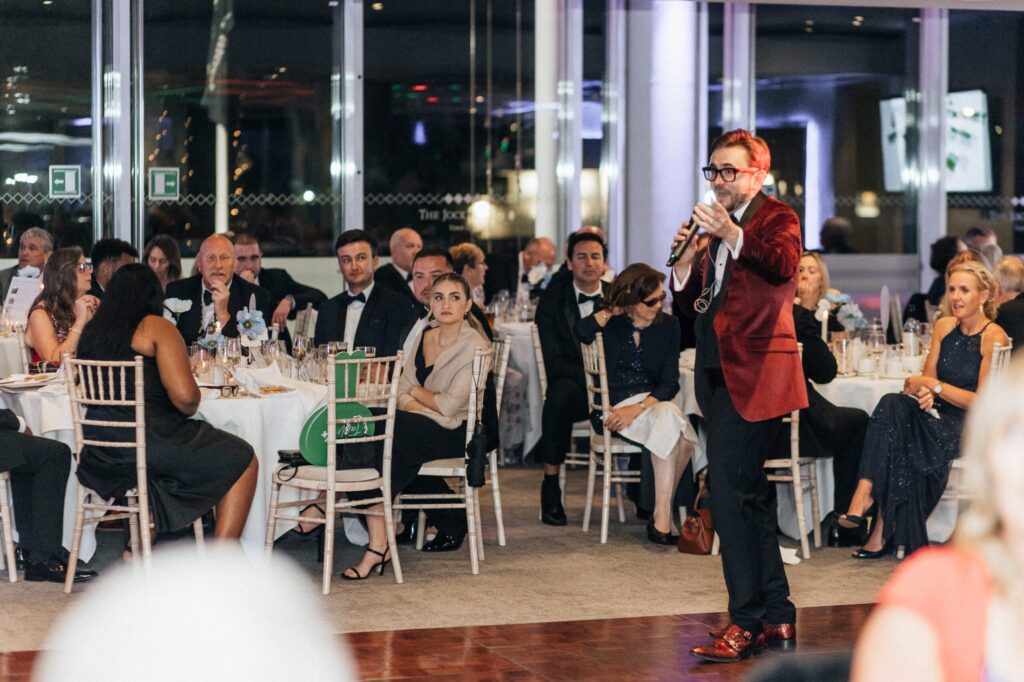
Charity auctioneer Kevin Durham running the live auction at Jigsaw Trust's charity gala, addressing guests with a wireless microphone from the floor.

In short

  • Pick the charity first and ask for its free fundraising pack. Mind, Samaritans and the Mental Health Foundation all offer one.
  • Match the format to your supporters: a ball or dinner for big money, a quiz, brunch or workplace day for reach.
  • Mental Health Awareness Week is set for 10 to 16 May 2027, and World Mental Health Day is every 10 October.
  • Run a live pledge, but a gentle one: no names called out, no pressure, and a quiet way to give.
  • Leave the facts to the charity, avoid medical claims, and tell guests where to find support.

A good mental health fundraiser raises money and leaves everyone in the room feeling better looked after than when they arrived. That means choosing the charity first, picking an event your supporters will enjoy, and asking for money in a way that never leans on anyone.

On a cause like this, the tone of the night matters as much as the total, and as a charity auctioneer I plan for both. Here are the formats that work, the dates worth planning around, and how I’d run the ask with care.

What makes a good mental health fundraiser?

A good mental health fundraiser is one your supporters want to attend, run with the charity’s blessing, and built around one clear, comfortable moment to give. The format comes second.

The cause reaches almost every room. Mind’s statistics page, published in September 2025, says 1 in 5 people in England report a common mental health problem, such as anxiety or depression, in any given week (from a 2023/24 survey). So assume some of your guests are living with it, or caring for someone who is.

That’s a reason to plan the evening with care, not to make it gloomy. People give generously when they feel warm, welcome and listened to.

Which mental health fundraiser ideas raise the most?

The mental health fundraiser ideas that raise the most are ticketed evenings with a short live auction and a live pledge, because a room of generous people sets its own ceiling. Smaller events matter too: they bring in new supporters and keep the conversation going all year.

FormatBest forWhere the money comes from
Charity ball or gala dinnerCharity supporters, corporate tablesTickets, live auction, live pledge
Sports challenge with an evening dinnerClubs, colleagues, running groupsSponsorship, then the dinner auction
Quiz nightWorkplaces, schools, villagesEntry fees, raffle, games
Music nightBands, choirs, local venuesTickets, collection, raffle
Brunch, coffee morning or bake saleAnyone, at any sizeDonations, sales
Workplace awareness dayOffices, teamsPayroll giving, matched giving, collections

The charities publish their own lists of fundraising ideas for mental health. Mind’s fundraising ideas run from coffee mornings and bake sales to a music night, a Big Brunch and fundraising at work, and its free pack includes a guide and a Mind t-shirt. Samaritans suggests a charity ball, a quiz night or a mufti day, and can send collection boxes and banners. The Mental Health Foundation adds Tea & Talk events and sports challenges.

If you want one evening to carry most of the year, my charity ball guide covers the planning, and there are more formats in my fundraising events roundup.

Dates to build a mental health fundraiser around

An awareness date gives your event a reason to happen now and lines it up with the charity’s own publicity.

  • Mental Health Awareness Week, run by the Mental Health Foundation, ran from 11 to 17 May in 2026 and is set for 10 to 16 May 2027. The Foundation’s Wear It Green Day falls within it.
  • World Mental Health Day is every 10 October, according to the World Health Organization. Good for a workplace event or a Tea & Talk.
  • For Children’s Mental Health Week, Place2Be’s Express Yourself Day is on Friday 5 February 2027, a natural fit for schools.
  • November is Movember’s month, and that has its own guide on this site.

A workplace event in May or October is the easiest win. For ways to get colleagues involved, see my corporate fundraising guide.

How do you run a live pledge without pressure?

You run a live pledge without pressure by making giving easy and saying no easier. Set a few clear levels, never single anyone out, and give guests a quiet way to give.

The live pledge is the most powerful segment of any evening I host: guests give straight to the charity’s work, with no lot to win. For this cause it should be run differently: drop the auction banter, slow right down, and let the charity’s speaker do the heavy lifting. Then ask once, clearly, and thank every hand that goes up. Whatever the room gives, the credit belongs to the charity’s team, not the person holding the microphone.

The Fundraising Code agrees. It asks fundraisers to avoid undue pressure and to accept a request to end an interaction. It also says not to accept a donation if you have reason to believe the person cannot decide for themselves.

In practice, that looks like:

  • Levels tied to real work. As of October 2026, Samaritans says £10 could help answer a call for help, £133 could help train a new listening volunteer, and £680 could help keep its helpline open for an hour. Concrete levels like these make the ask feel gentle.
  • A private way to give. Pledge cards on the table or a QR code, as well as hands in the air.
  • No chasing. Never approach a guest with food going into their mouth, and never ask twice.
  • Honesty about the money. Tell the room exactly where every pound goes and what it will pay for. People give more freely when nothing is hidden.

The full structure is in my piece on the live pledge.

How should you talk about mental health on the night?

Talk about mental health in the charity’s words, not your own. Let the charity supply the facts and the stories, and keep the host’s job to welcoming, thanking and asking.

  • No medical claims. Do not promise that a donation, an activity or a run will improve anyone’s mental health. Say what the money funds, in the charity’s terms.
  • Only the charity’s figures. If you use a statistic, take it from the charity’s or the NHS’s own pages and say when it was published.
  • A briefed speaker. A person sharing lived experience should choose what they say, with the charity’s support, and know they can stop.
  • Care around suicide. If the charity’s work includes suicide prevention, follow Samaritans’ media guidelines: no method details, no speculation about a single cause, and always signpost support.

That last point applies to the whole evening. Put a support line in the programme and on the screen at the end. Samaritans answers on 116 123, free, 24 hours a day, 365 days a year. The NHS advises calling 111 and selecting the mental health option for urgent help, or 999 if a life is at risk.

Looking after the room

The best mental health fundraiser feels like a good night out that happens to have a purpose. Keep it warm, even fun in places. The care goes into small practical things.
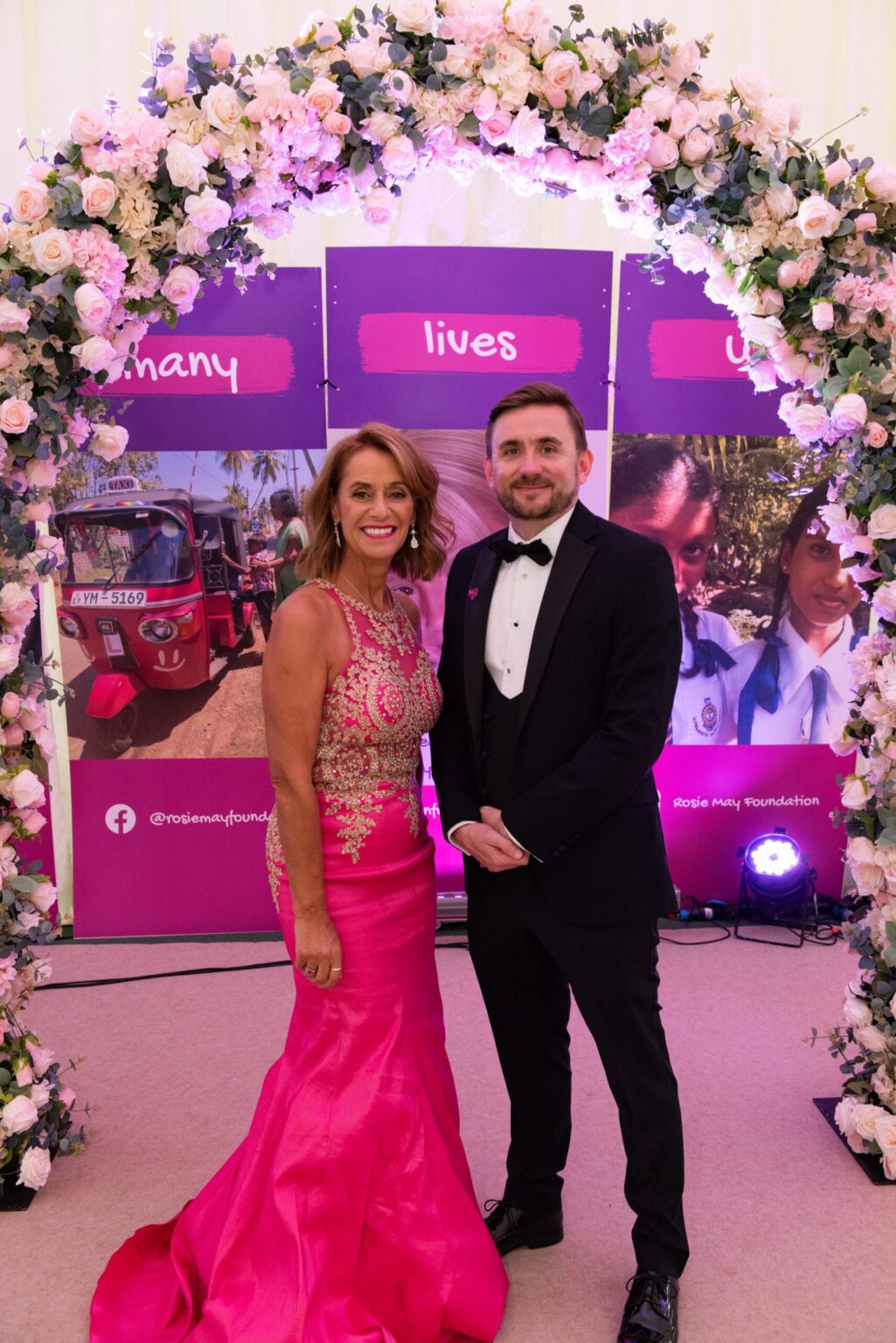
Kevin Durham with a guest in a pink gown under a floral arch at the Rosie May Foundation gala

Command the room before any ask. Get it quiet, make sure everyone can hear, and only then hand over to the charity. Agree a quiet corner where a guest can step out, and make sure the charity’s team knows who to talk to if someone becomes upset. Keep the programme tight, too: a tired room gives less.

If you are starting smaller, my list of easy fundraising ideas has formats that need very little budget. Afterwards, pay the money in promptly, thank everyone by name where you can, and send the final total to the charity so it can share it.

If you’re planning a fundraiser for mental health and want to talk through the auction and the pledge, call me on 07596 851647. I’d rather talk it through than trade emails.

If anything here has affected you, you can call Samaritans free on 116 123, day or night.

Kevin Durham, charity auctioneer

Kevin Durham

Charity auctioneer & event host

20years£10m+raised60–80events/yr
Check availability07596 851647

Let’s talk

Bring this to your event

Book a free consultation with a charity auctioneer who has raised over £10 million.

Fundraiser speech examples: what to say before the live pledge

Kevin Durham in a burgundy velvet jacket speaking from the lectern at the MAG-FEST charity gala

In short

  • A fundraising speech needs one person’s story, the need in plain words, and a specific ask.
  • Keep it short: a minute or two for the welcome, two or three for the appeal, one sentence for the handover.
  • Put real amounts in the appeal, and only say what each pays for if it’s true.
  • The Code of Fundraising Practice applies at the microphone: no undue pressure, nothing that misleads.
  • Get consent before anyone’s personal story goes near a stage.

These fundraiser speech examples cover the part of a charity evening where the money gets decided: the welcome, the story, the short appeal before the live pledge, and the handover to the auctioneer. Each one is short and built around one story and one clear ask.

I hear these speeches from the side of the stage most weeks as a charity auctioneer, and the pledge I run afterwards depends on them. Copy the shape, not the words: square brackets mark where your details go.

What makes a good fundraising speech?

A good fundraising speech tells one true story, explains the need in a sentence or two, and ends by pointing to a specific ask. Then it hands the room over while the feeling is still there.

In a 2007 study by Deborah Small and colleagues, an appeal about one identifiable child raised more than one built on statistics, and adding the statistics to her story brought giving down. Mention the scale if you must. Don’t lead with it.

A comfortable speaking pace is around 100 to 150 words a minute, so 400 words takes three to four minutes. After a three-course dinner, shorter is kinder.

Where the speeches sit in the night

Every gala dinner speech has a job, set by where it sits. This is the order I work to:

  1. Chair’s welcome, once guests are seated.
  2. Dinner. No speeches while people eat.
  3. The story: the appeal speech, or a short film.
  4. The live auction.
  5. A short appeal, straight before the pledge.
  6. The live pledge.
  7. The thank-you and close.

The story goes before the auction because it gives the fundraising its meaning. The short appeal brings the room back to it afterwards, so the pledge starts from the cause. The full timeline is in my gala running order.

Fundraiser speech examples: the chair’s welcome

Most welcomes go wrong the same way: they try to thank everyone. The jobs are to greet the room, say in one line why everyone is here, and tell guests what’s coming.

Example: the chair’s welcome (about a minute)

“Good evening, everyone, and welcome. I’m [name], chair of [charity name], and it means a great deal to see this room so full.

Tonight is about [the people the charity supports]. Every year we [one sentence on what the charity does], and by being here, you’re part of that.

Later, [auctioneer’s name] will take us through the live auction and a chance to give directly to our work. First, you’ll hear from [speaker’s name], who will tell you far better than I can why tonight matters.

Enjoy your dinner, and thank you for coming.”

What should a beneficiary or appeal speech say?

A beneficiary or appeal speech should tell one person’s story, from before the charity was involved to after, say what changed, and say what is still needed. It works best in the speaker’s own words.

If the speaker is a beneficiary or family member, help them write it rather than writing it for them, and tell them they can change their mind right up to the night. Bond’s guidance on ethical storytelling treats consent as an ongoing conversation, not a signature, and Charity Digital’s consent checklist covers how the person wants to be named.

Example: the appeal speech (two to three minutes, filled in)

“Two years ago, [first name] [one sentence: the moment things went wrong]. [They] didn’t know where to turn, and nor did [their] family.

Then [first name] met [staff member or service]. [Two or three plain sentences on what the charity did: not ‘we provided holistic support’ but ‘someone sat with her every Tuesday’.]

Today, [first name] [one sentence: where they are now]. That’s what your support does.

But for every [first name], there are [people or families] still waiting. This year, [charity name] needs to [the specific need, with a true number: for example, fund 40 more places].

Later tonight, you’ll have the chance to help make that happen. I hope you’ll think of [first name] when you do. Thank you.”

How do you write a charity appeal speech before the pledge?

Write the charity appeal speech as a reminder of the story, what the money pays for, and the giving levels. Some call it the donation speech. One minute is plenty.

Check every level with your finance team first. The Code says you need appropriate evidence for any claim the room will take literally (standard 1.2.3).

Example: the short appeal (about one minute)

“Earlier, you heard [first name]’s story. In a moment, [auctioneer’s name] will give every one of us the chance to help write the next one.

£[amount] pays for [true, specific thing]. £[amount] pays for [another]. £[amount] pays for [another]. Every gift, at every level, goes to [what the money is for, worded exactly as on the pledge card].

If you pay UK tax, please tick the Gift Aid box on your card. It lets us claim an extra 25p on every £1 you give, and it costs you nothing.

Whatever you give tonight, thank you.”

Keep that line for the pledge. Charities can claim an extra 25p on most donations, but HMRC’s charity guidance treats a winning auction bid as a purchase, not a gift.

How do you hand over to the auctioneer?

Hand over to the auctioneer in one sentence, by name, and then leave the stage. If the room is chatting, get it quiet first. The shush is a powerful tool.

Example: the handover

“To lead our live pledge, please welcome [auctioneer’s name].”

Kevin Durham at the lectern under a big screen reading Please welcome your host

That’s it. Then the tone shifts from the cheek of the auction to something serious, though never sombre. This is how I talk when I open the pledge:

“Ladies and gentlemen, really think about the children. This isn’t just about money. This money would have sat there doing nothing. Tonight, you can use it to do something really, really good.”

I learned the value of a set-up the hard way. At one big event, running late, there was no inspiring speech or video before the auction, and I announced it while people were still talking. Only a fraction of the room heard the lots. I’ve never repeated it: command the room first, and stand on a chair if you have to.

Don’t skip the pledge. At Jigsaw Trust it added £30,600 on top of the auction, and they hadn’t even planned one. That was their team’s night, not mine. My pledge page shows how I run it, and why a live pledge so often out-earns the auction.

What does the Code of Fundraising Practice mean for your speech?

Your speech must not mislead and must not pressure. The Fundraising Regulator’s current Code came into effect on 1 November 2025, and it covers whoever has the microphone.

  • Don’t imply the money goes to the person in the story unless it does. Standard 1.2.1 warns against claiming a donation will help a particular child if it may be used elsewhere. Say “people like [first name]”.
  • Say what happens if you raise more or less than the target for a specific purpose (1.2.2).
  • Invite, never chase. Standard 1.1.2 rules out undue pressure and unreasonably persistent approaches. Speak to the whole room and lean on no one, least of all a guest who has kept their hand down.
  • Be alert to anyone who may not be able to make an informed decision, and don’t take a pledge you doubt (5.2.3).

What should a thank you speech for a charity event say?

A thank you speech for a charity event should thank the room, give the total (or say when you’ll share it), name the people who made the night happen, and finish on what the money will do. Finish before anyone reaches for a coat.

Example: the thank-you and close (about a minute)

“Ladies and gentlemen, thank you. Tonight, together, you’ve raised [the total, or: more than we dared hope, and we’ll share the final figure with you this week].

That money means [one sentence on what it pays for, in the same words as the appeal].

None of tonight happens without [sponsors], everyone who donated a lot, our volunteers, the team at [venue], and [first name], who was brave enough to share [their] story. Please give them a round of applause.

Get home safely, and we’ll be in touch.”

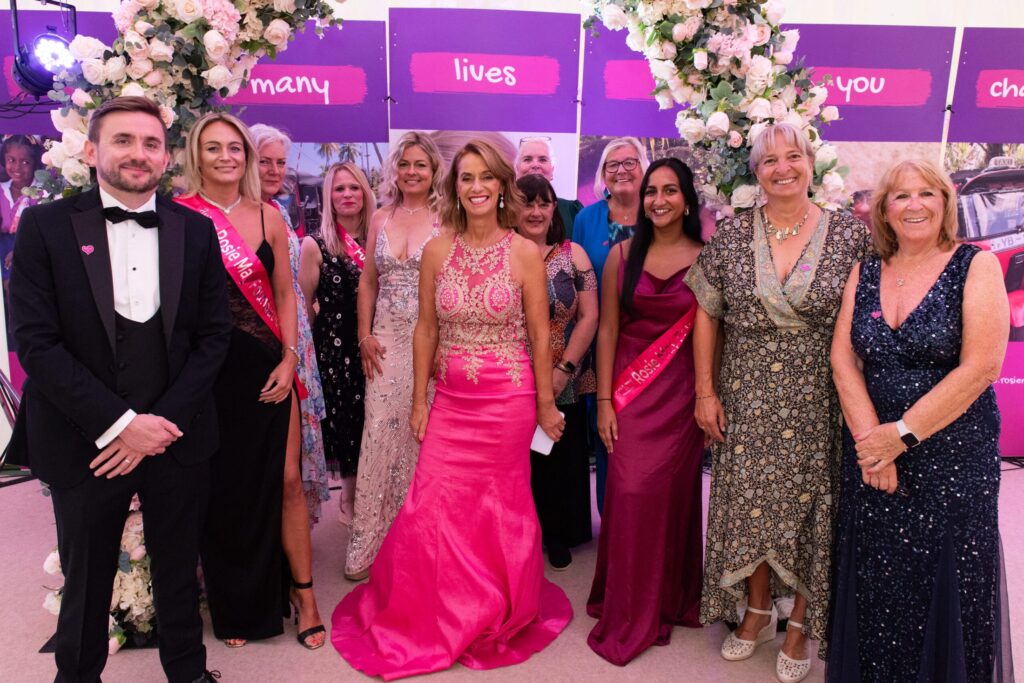
Kevin Durham with the Rosie May Foundation team at their charity gala

The thank-you on the night is only the start. My guide on how to thank donors covers the follow-up.

Speech examples to adapt, not read out

These speech examples are scaffolding. The best speech for a charity event sounds like the person giving it.

  • Read it aloud and time it. Cut anything the speaker stumbles over.
  • Rehearse the handover.
  • Plan for emotion: water on the lectern, permission to pause, and someone ready to finish if the speaker asks.
  • If the night runs late, trim the speeches. Leave the ask alone.

The host’s side of these moments is in my guide on how to MC a charity event. If you’d like a hand shaping the appeal for your own night, call me on 07596 851647. I’d rather talk it through than trade emails.

Kevin Durham, charity auctioneer

Kevin Durham

Charity auctioneer & event host

20years£10m+raised60–80events/yr
Check availability07596 851647

Let’s talk

Bring this to your event

Book a free consultation with a charity auctioneer who has raised over £10 million.

Fundraising campaign: how to plan one with a live event as the peak

Charity auctioneer Kevin Durham in a burgundy velvet jacket on the microphone, pointing out into the room at a charity ball

In short

  • A fundraising campaign is time-limited, with one target and one purpose. It is not the same thing as your year-round strategy.
  • Write the case for support first, and word the appeal so you know what happens if you raise too much or too little.
  • Raise a large share privately before you go public. Lead gifts make everyone else more likely to give.
  • Make a live event the peak, ideally with a match-funding pot that the room unlocks on the night.
  • Close properly: collect pledges, thank people, and report the total.

A fundraising campaign is a push with a start date, an end date, one target and one reason to give. The best ones build towards a single moment where the money arrives in a rush, and for most charities that moment should be a live event: a gala, a dinner or a live pledge in a full room.

My part of a campaign, as a professional charity auctioneer, is usually the peak night. But the nights that go best are the ones where the whole campaign was built to arrive there, so here is how I’d plan one, from the first quiet conversation to the last thank-you.

What is a fundraising campaign?

A fundraising campaign is a fixed-period effort to raise a set amount for a stated purpose. It might be a new minibus, a building, a Christmas appeal or an anniversary year. A fundraiser campaign, an appeal and a capital campaign are the same idea at different sizes.

The key difference from a strategy is time. A fundraising strategy is the year-round mix of regular giving, grants, legacies and events. A campaign is one concentrated burst inside that plan, with a deadline everyone can see.

That deadline is the point. People give when there is a reason to give now.

How do you run a fundraising campaign?

You run a fundraising campaign in five phases: write the case and set the target, raise lead gifts quietly, launch in public, build to a peak, then close. Each phase has its own job, and skipping one usually shows up in the final total.

PhaseWhat happensRough timing
Case and targetAgree the purpose, the number and the wordingMonths before launch
Quiet phaseAsk trustees, major donors and a match funderBefore any public mention
LaunchGo public with lead gifts already inA clear date
PeakThe live event, where most supporters give at onceNear the end
CloseCollect, thank, reportWithin weeks of the peak

This is a fundraising plan for one campaign, not for the year. Keep it on one page so everyone on the committee is working to the same dates.

Start with the case for support and the target

The case for support explains why anyone should give. Write it first. A guide from WCAVA says it should set out your vision, the projects seeking funding, why it matters now, and open with a real example of your work.

Then the number. Work it out from the cost of the thing you are funding, not from what feels achievable. My guide to setting a target walks through it.

Now the wording, which most committees skip. The Charity Commission says money raised for a specific purpose is restricted, and recommends you state clearly what happens if you raise too much or too little. Add a secondary purpose, such as “and our other services”. Without one, spending a surplus means a formal trustee resolution, and Commission sign-off above £1,000.

Why does a quiet phase matter?

A quiet phase matters because the people who give first set the level for everyone else. You ask your closest supporters privately, before any public launch, so the campaign goes public with real money already behind it.

How much should be in before launch? ArtsBuild Ontario’s guide says 50 to 60% of the goal for a capital campaign. CCS Fundraising goes further and suggests going public at 60%, 80%, or even 100%. Those are capital campaign figures, but the logic holds for a smaller appeal too.

The evidence is strong. In a field experiment for a university campaign, economists John List and David Lucking-Reiley raised the announced seed money from 10% to 67% of the goal. Contributions rose nearly sixfold.

The quiet phase is also when you secure your match funder for the peak night. More on that below.

The Monaco gala I worked on raised over €1,000,000 in one evening, and most of the work behind it happened well before the night: lot selection, sequencing and a structured pledge drive, all planned in advance.

How do you launch a fundraising campaign?

You launch a fundraising campaign by announcing the target, the purpose, the lead gifts and the date of the peak event together, on a date you choose.

Pick a launch moment people already notice. Giving Tuesday falls on 1 December 2026, and the UK site suggests charities use it to launch or spotlight a campaign.

From the launch onwards, everything points at the peak:

  • Sell tickets for the event from day one.
  • Share progress against the target, using the lead gifts.
  • Tell one story from the case for support each week.
  • Line up auction lots and pledge levels.

My guide to promoting an auction covers the run-up in more detail.

Why should a live event be the campaign’s peak?

A live event should be the peak because it is the only point in a campaign where hundreds of supporters give at the same time, in front of each other. No email can do that. It’s what event fundraising is for.

The strongest segment in that room is the live pledge: one clear ask, at levels everyone can reach, with nothing to win but the cause. My page on how a live pledge works explains the mechanics.

Put a match-funding pot behind it and the effect grows. In a study of over 50,000 donors, Dean Karlan and John List found that announcing a match raised revenue per appeal by 19% and the chance of giving by 22%. A 1:1 match worked as well as 2:1 or 3:1. I’ve written a full piece on match funding at a gala, but the short version is this: agree the pot in the quiet phase, and spend it in the room.

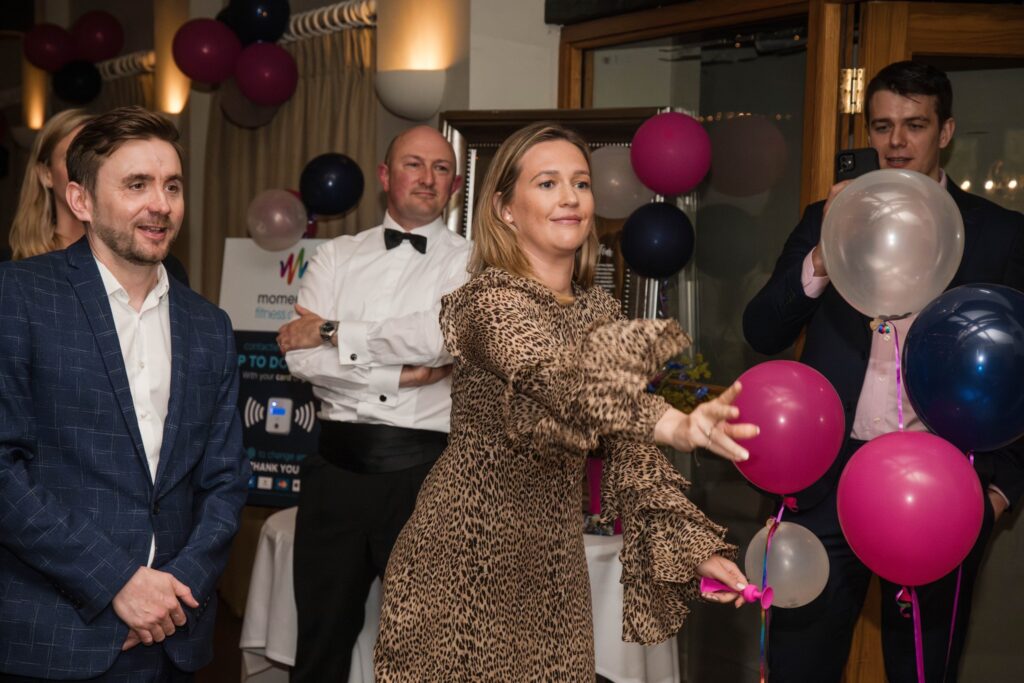
A guest playing a balloon game at the Momentum charity evening, with a tap-to-donate point behind her

That is the feeling you want at the top of a campaign: the whole room joining in at once.

Running the peak night

The peak night has one job: get the total as close to the target as it can go. Everything else on the programme serves that.

First, command the room. I once announced a live auction while people were still talking, and only a fraction of them heard the lots. I’ve never made that mistake again.

Then the things I always plan for:

  1. Say the target and the total out loud. A screen showing progress gives the room a finish line.
  2. Be clear where the money goes. At an MS UK event I told the room at the start exactly where every pound was going, and the live pledge raised £8,300, all of it to the charity. The Fundraising Regulator’s Code says you should be clear how the money will be used, and it requires a risk assessment and the right licences.
  3. Run the pledge after the story, not after the coffee. Give the room a reason first. It’s a serious moment, though the excitement still builds as the money comes in.
  4. Collect Gift Aid declarations on pledges. HMRC treats a ticket as the right to attend, not a gift, and auction wins are purchases. A pledge is a donation, so it can carry Gift Aid with a declaration.

For the full run order, see my guide on how to plan a gala.

How do you close a fundraising campaign?

You close a fundraising campaign by collecting every pledge, thanking every donor, and telling supporters what the money achieved. Do it within weeks, while the night is still fresh.

Kevin Durham with two guests in front of an art deco backdrop at a 1920s-themed fundraising gala

Follow up pledges made in the room the next morning. Then thank people, personally where you can. My guide to thanking donors has a simple sequence.

Finally, report the final total and the progress on the purpose. If you went over the target, your secondary purpose tells you where the surplus goes. One client of mine doubled their target. However it goes, those donors are the quiet phase for your next campaign.

Fundraising campaign ideas that suit a live peak

Most fundraising campaigns work better with a live night at the end. These fit naturally:

  • Capital appeals. A building, a vehicle or a piece of equipment. A clear price makes a clear target.
  • Christmas appeals. Launch on Giving Tuesday and peak at a December gala. Big Give’s Christmas Challenge raised £57.4m in a week in December 2025, so supporters are used to matched giving at that time of year.
  • Anniversary campaigns. A 25th or 50th year, with a celebration dinner as the finale.
  • Fund-a-need campaigns. A year of a service, broken into pledge levels the room can fund on the night.
  • Corporate partner campaigns. A company matches staff fundraising, with the gala as the reveal.

If you’re planning a fundraising campaign with a live event at the peak, call me on 07596 851647. The first consultation is free, and I’d rather talk it through properly than trade messages.

Kevin Durham, charity auctioneer

Kevin Durham

Charity auctioneer & event host
20years£10m+raised60–80events/yr
Check availability07596 851647

Let’s talk

Bring this to your event

Book a free consultation with a charity auctioneer who has raised over £10 million.

Sponsorship packages for a charity event: how to build tiers sponsors will buy

Kevin Durham on stage at the MAG-FEST charity gala, with the headline and category sponsors listed on the big screens behind him

In short

  • Build four or five tiers, from one headline sponsor down to small supporter listings, and sell the top tier first.
  • The most valuable package is often a pledge-match sponsor: a business that matches what the room gives in the live pledge, up to a cap.
  • For VAT, sponsorship with significant benefits is a business supply, unlike a donation. A qualifying fundraising event can make it exempt.
  • Deliver everything you promised and report back with numbers.

Sponsorship packages turn “would you support our gala?” into a decision a business can actually make. Give a sponsor a named part of the night, a price and a short list of what they get, and goodwill becomes a yes or a no. A vague offer is the easiest kind to turn down.

I work the floor at 60 to 80 events a year as a charity auctioneer, and I always make sure the sponsors are thanked from the stage. Here is how to build a ladder that sells, price it, pitch it, and keep HMRC happy.

What should sponsorship packages for a charity event include?

Sponsorship packages for a charity event should include four things: what the money pays for, what the sponsor gets, the price, and a written agreement. Leave one out and the sponsor has to design the deal. Most won’t.

  • A named slot. “Headline sponsor”, “auction sponsor”, “table sponsor”. People buy things with names.
  • A benefits list. Logo on the screens, a mention from the stage, a table of ten, with numbers.
  • A price and payment terms.
  • The link to the cause. One line on what the money makes possible for the charity.

Swim England’s guide to building a sponsorship pack was written for clubs, but works for charities. On pricing, it says to state what each opportunity is, what it costs, how the sponsor can pay, and their return.

Kevin Durham with a guest at a charity gala, standing in front of a sponsor's pull-up banner beside the charity's own stand

How do you build sponsorship tiers?

You build sponsorship tiers by starting with one headline package, then stepping down through cheaper slots so every business has a level it can say yes to. Four or five tiers is plenty.

Here is an example ladder for a 300-guest gala dinner. The prices are illustrations only, to show the steps. They are not market rates: what sponsors pay depends on your audience, region and event.

TierWhat the sponsor getsIllustrative price
Headline sponsorEvent “in association with” them, logo on every screen, a table of ten, thanked from the stage£5,000
Pledge-match sponsorTheir name on the live pledge, plus a matched pot they set in advance£2,500 plus the pot
Auction sponsorLogo on the auction screens, named before the first lot£1,500
Table sponsorTable of ten, listed in the programme£1,000
SupporterName in the list of supporters£250

Three rules make it work:

  1. Only one headline sponsor. Exclusivity is part of what they pay for.
  2. Every tier gets something the tier below doesn’t. Otherwise nobody buys the dearer one.
  3. Sell from the top. Once the headline name is confirmed, the rest get easier.

Map each slot against your charity gala running order.

The pledge-match sponsor: the package worth more than its price

The pledge-match sponsor is the package I would build every ladder around. A business matches what guests give during the live pledge, pound for pound, up to a cap agreed in advance.

In a field experiment with more than 50,000 previous donors, economists Dean Karlan and John List found that simply announcing a match raised revenue per appeal by 19%. Ratios of 2:1 or 3:1 did no better than 1:1. So ask for a bigger pot, not a bigger ratio.

The live pledge is already the strongest segment of most fundraising nights. Structured properly, it outperforms a lot-based auction at most galas. At a Jigsaw Trust event, a live pledge nobody had planned raised £30,600 on top of the auction. Put a match behind a pledge like that and every hand counts twice.

Agree four things in writing: the ratio, the cap (set against your target), the window (usually the pledge segment), and whether the sponsor pays the full cap or only matches what comes in.

Keep the matched pot in a separate clause from the sponsorship fee. The pot is a gift; the logo and the mention are benefits. That split matters for VAT.

How do you price sponsorship packages?

You price sponsorship packages from the top down: set the headline price first, based on who the sponsor will reach and what it costs you to deliver, then step each tier down. Build up from the bottom and the top tier ends up too cheap.

  • Who is in the room? Three hundred local business owners beat three hundred people who will never buy from them.
  • What does it cost you? A table of ten has a real cost. Cover it first.
  • What would they pay elsewhere? A local firm knows what an advert costs.
  • Room to negotiate? Say so. The Swim England pack suggests it, so sponsors feel free to come back with an offer.

How to write a sponsorship proposal on one page

A sponsorship proposal for a charity event should fit on one page, with your rate card attached:

  1. The cause in two sentences. What the charity does and what this event funds.
  2. The event. Date, venue, guest numbers and profile.
  3. Why this sponsor. One line tailored to their business. Swim England’s advice: focus on outcomes for the sponsor, not what’s in it for you.
  4. The packages. Your tiers in a short table, with the one that suits them highlighted.
  5. The next step. A named contact, a phone number and a reply-by date.

Write a fresh one for each sponsor. A proposal that could have gone to anyone reads like it did.

How do you get sponsors for a charity event?

You get sponsors for a charity event by starting with businesses that already know you, then widening out to local firms whose customers will be in the room. Cold lists come last.

  • Your trustees’ and committee’s employers. A warm introduction beats a cold email every time.
  • Last year’s table buyers and lot donors. They have said yes to you before.
  • Suppliers. Venue, printer, AV.
  • Local firms that sell to your guests. Estate agents, solicitors, accountants, builders.
  • Employers with matched giving. Some companies match staff giving, including at fundraising events.

For bigger corporate sponsorship, my corporate fundraising guide covers how companies decide.

Check every sponsor against your charity’s own policy first. The Charity Commission’s trustee guidance (CC20, updated February 2026) suggests a fundraising plan sets out the methods you will use, the ones you won’t, and the values behind them.

Is charity event sponsorship subject to VAT?

Charity event sponsorship can be subject to VAT, because HMRC treats sponsorship with significant benefits as a business supply. A donation given freely, with nothing in return, is outside the scope of VAT.

HMRC’s Notice 701/1 (section 5.9.5, last updated 19 October 2026) says sponsorship is taxable at the standard rate where the charity must give the sponsor a significant benefit. Naming a donor in a list of supporters counts as insignificant. The sponsorship notice (701/41, May 2019) lists typical significant benefits: logos, free tickets, access to gala evenings, hospitality, and naming an event after the sponsor. That is every rung of the ladder above except the supporters’ list.

Two points soften it:

  • The fundraising events exemption. HMRC’s events helpsheet (updated 20 April 2026) lists sponsorship payments directly connected with a qualifying event among the exempt supplies. A dinner organised and promoted to raise money can qualify, within a limit of 15 events of the same kind at one location a year.
  • Separate the donation. Section 5.9.6 says no VAT is due on a donation if the agreement shows which part pays for services and which is a gift, and the benefits don’t depend on the gift.

HMRC also warns that taxable sponsorship could take a small charity over the VAT threshold (£90,000 of taxable turnover in October 2026). Ask your accountant before you sign anything large.

Can a sponsor claim tax relief or Gift Aid?

A business sponsor can usually claim tax relief, but nobody can claim Gift Aid on a sponsorship payment.

GOV.UK’s guide to sponsoring a charity says a company can treat sponsorship as a business expense when it gets something business-related back, such as using the charity’s logo. HMRC’s Business Income Manual (BIM42555, updated 4 August 2026) adds that it must be wholly and exclusively for the business, and entertaining, which can include hospitality in a package, is disallowed.

HMRC’s Gift Aid guidance rules out payments for goods and services and money donated by a company. If an owner funds the pledge match personally, it is a gift from an individual and can qualify on the usual terms.

Delivering the sponsorship packages you sold

Sponsors renew when they can see they got what they paid for.

  • Do everything on the list. Every logo, every mention, every seat.
  • Thank sponsors from the mic, then get back to the cause. That is what people give to.
  • Don’t overclaim the match. The Fundraising Regulator’s code says you must not mislead donors. If the cap is £5,000, don’t tell the room “everything tonight is doubled”.
  • Report back within a fortnight. The total, what the match unlocked, and first refusal on next year.

The same rules apply whether the sponsorship sits inside a charity ball or a company night built on auction ideas for the sponsor’s staff.

Planning a gala and want to talk through sponsors and a matched pledge? Call 07596 851647. I’d rather talk it through than trade emails.

Kevin Durham, charity auctioneer

Kevin Durham

Charity auctioneer & event host

20years£10m+raised60–80events/yr
Check availability07596 851647

Let’s talk

Bring this to your event

Book a free consultation with a charity auctioneer who has raised over £10 million.

What is a fundraiser? Fundraiser meaning, the main types and which raise most

Kevin Durham at the lectern under a screen welcoming him as host of the MAG-FEST charity gala

In short

  • A fundraiser is either an event that raises money for a cause or a person who raises it. All four major dictionaries checked here give both.
  • In England and Wales, the Charities Act 1992 gives “professional fundraiser” a legal meaning: someone paid to ask for money for a charity who isn’t its employee or trustee.
  • The main types of fundraiser range from cake sales and sponsored challenges to raffles, auctions and gala dinners.
  • Formats where everyone is in one room, giving at the same moment, usually raise the most per guest. In my experience the live pledge is the strongest of them.
  • Raffle tickets and event tickets are payments, not gifts, so they do not qualify for Gift Aid.

The fundraiser meaning has two halves. A fundraiser is an event held to raise money for a cause, usually a charity, and it is also the person who does the raising. The sentence tells you which: “we are holding a fundraiser” is the event, “she is a brilliant fundraiser” is the person.

The first kind is my day job: I work 60 to 80 events a year as a charity auctioneer. So here are both meanings, the main types, and where the live auction and the live pledge sit among them.

What is the fundraiser meaning in the dictionary?

The dictionary fundraiser meaning is a person or an event that collects money for a particular purpose, especially a charity. Four dictionaries, four slightly different wordings:

  • Cambridge Dictionary combines both: “a person or event involved in collecting money for a particular purpose, especially a charity”.
  • Oxford Learner’s splits it into a person who collects money for a charity, and a social event or entertainment held to collect it.
  • Collins lists the event first and the person second.
  • Merriam-Webster puts the person first, and dates the word to 1881 in that sense.

In the rooms I work in, “a fundraiser” nearly always means the event.

The second fundraiser meaning: the person doing the asking

The person who raises the money is the older fundraiser meaning on record, and it covers a wide group. A parent shaking a bucket at the school gate is a fundraiser. So is a charity’s head of major gifts, and so is the volunteer selling raffle tickets at a dinner. On a gala night, those volunteers are as much a part of the total as anyone holding a microphone.

The law in England and Wales draws a sharper line. The Charities Act 1992 defines a “professional fund-raiser” as someone who runs a fundraising business, or who is paid to ask for money for a charity. A charity’s own employees, officers and trustees are excluded, and so are people paid below small thresholds set in the Act.

It matters because trustees carry the can. The Charity Commission’s trustee guidance says they must carry out due diligence on professional fundraisers, and they stay accountable for fundraising they delegate.

Fundraiser, fund-raiser or fundraising?

Fundraiser is the noun, fundraising is the activity, and fundraise is the verb. The hyphenated “fund-raiser” still turns up: Merriam-Webster and Collins’s American entry list it as a variant, and the 1992 Act uses it. All four dictionaries above give the single word as the main spelling.

Guests at their tables in an aircraft hangar while Kevin Durham hosts the MAG-FEST charity gala from the stage

What makes an event a fundraiser?

An event becomes a fundraiser when raising money for a cause is its purpose, not a side effect. A quiz night that donates its leftover kitty is a quiz night. One sold, run and timed around the money is a fundraiser event.

Most fundraiser events bring money in through several routes on the same night:

  • Tickets, which usually just cover the costs.
  • A raffle or tombola: small sums from almost everyone.
  • An auction, where a handful of lots go to a few bidders.
  • A live pledge or appeal, straight donations at set levels, and often the biggest number of the night.

HMRC doesn’t treat them the same. Its Gift Aid guidance says payment for admission to an event, and the price of a raffle ticket, are payments rather than gifts, so neither qualifies. An auction bid is a purchase too, though part of it can count as a donation when the bidder knowingly pays over the shop price. A pledge is a gift, so it can qualify.

What are the main types of fundraiser?

The main types of fundraiser fall into events, challenges, draws and direct asks. The Chartered Institute of Fundraising’s library lists types of fundraising from corporate partners and grants to auctions, events and crowdfunding. These are the ones a charity can run itself:

Type of fundraiserHow the money comes inEffortWhat limits the total
Cake sale, coffee morning, quiz nightSmall payments from a local crowdLowHeadcount
Sponsored challengeFriends and family sponsor a participantMediumHow many people take part
Raffle or tombolaTicket sales, prizes donatedLowTicket price times people in the room
Online appeal or crowdfunderDonations from a wide networkMediumReach of the people sharing it
Charity auctionBidders compete for donated lotsMediumThe lots, and who is bidding
Live pledgeGuests give at set levels in one momentLow on paper, high on the nightThe case for the cause, and how it is led
Gala dinner or ballTickets, raffle, auction and pledge in one eveningHighWho is in the room, and how the night runs

The auction and the live pledge rarely stand alone. They are the two big moments inside a charity gala, a charity ball, or even a boxing night.

Which fundraiser activities raise the most?

The fundraiser activities that raise the most per guest are the ones that put generous people in one room and ask them at the same time: the live auction and, above all, the live pledge.

The UK Giving report from the Charities Aid Foundation estimated that in 2024 the public gave £951 million at fundraising events, against £514 million on raffle tickets. Only 21% of people sponsored someone for charity in 2024, down from 32% in 2019.

At a single event, the gap between formats is wider still. When I worked the Jigsaw Trust gala, the charity expected £14,000 from the live auction. The auction made £27,000, and a live pledge they hadn’t even planned raised another £30,600. The credit goes to their team, and it’s why every client of mine hears the same advice: run a pledge. An auction raises money from the few people who win lots. A pledge asks the whole room, so it often raises more than the auction. It’s serious, yet the excitement still builds as the hands go up. No format guarantees a figure, though. The room, the cause and the running order decide it.

The rules every UK fundraiser runs under

Fundraising by UK charities and third-party fundraisers sits under the fundraising code. Its 2025 edition came into effect on 1 November 2025, with standards for events and for volunteers.

Raffles have their own rules in Great Britain. Under Gambling Commission guidance, a raffle at an event needs no licence, but tickets can only be sold at the event while it is running. You can spend up to £500 of ticket money on prizes and £100 on costs, and donated prizes have no limit.

Kevin Durham in a burgundy velvet dinner jacket speaking from the lectern at a charity gala

Where an auctioneer fits in

At a fundraiser event, the host decides how much of the room’s goodwill turns into money. My job is to command the room before the first lot, keep the auction tight, and then lead the pledge while the energy is still high.

Still choosing what kind of fundraiser to run? My list of fundraising event ideas is a good next step, and my page on running a pledge explains the segment that usually raises the most. To talk through your event, call 07596 851647.

Kevin Durham, charity auctioneer

Kevin Durham

Charity auctioneer & event host
20years£10m+raised60–80events/yr
Check availability07596 851647

Let’s talk

Bring this to your event

Book a free consultation with a charity auctioneer who has raised over £10 million.

Pledge cards: how to use them at a charity gala without killing the mood

Kevin Durham holding up a card on stage at the MAG-FEST charity gala

In short

  • Let hands do the asking and cards do the paperwork.
  • A Gift Aid declaration needs a proper tax explanation. “I am a UK taxpayer” on its own is not enough.
  • Keep the original cards. HMRC says typing them into a database is not an auditable record.
  • Chase unpaid pledges once, politely, then let them go.

Pledge cards are small printed cards that let a guest write down a promise to give: who they are, how much, and whether the charity can claim Gift Aid. Used well at a charity gala, they catch money the room wants to give. Used badly, they turn the most emotional ten minutes of the night into a form-filling exercise.

Every charity I work with hears the same advice from me: run a live pledge. This guide is about the card itself: what to print, when it comes out, and how to collect the money. For the ask from the stage, read my guide to the live pledge.

What are pledge cards, and why use them at a gala?

Pledge cards are a written record of a promise to donate. At a gala they do two jobs a raised hand cannot: they show exactly who promised what, and they collect the details the charity needs to claim Gift Aid.

That second job is real money. Gift Aid lets a charity claim 25p for every £1 an eligible UK taxpayer gives, and a pledge is a gift, not a purchase.

But the card is the paperwork, not the ask. The ask is the story, the levels and the energy, which my guide to the fund-a-need covers.

When do pledge cards beat a show of hands?

Pledge cards beat a show of hands when guests need privacy, or when you need details more than theatre. A raised hand is public, fast and contagious. A card is quiet.

Cards win when guests would rather not give in front of colleagues, want an amount that wasn’t called, or when you need every donor’s Gift Aid details.

For most galas, do both: hands during the ask, cards at the table straight afterwards. My comparison of a pledge drive and a live auction explains why that momentum matters.

What should go on a pledge card?

Less than most people print. As one fundraising consultancy puts it, less is more.

  1. The cause in one line. What tonight’s money pays for.
  2. The amount. The levels called from the stage as tick boxes, plus “other”.
  3. Name, email and phone. One donor per card.
  4. How they’ll pay. Tonight, by link or by transfer.
  5. Gift Aid. The declaration below, with its own tick box.
  6. Marketing permission as a separate unticked box. The ICO says pre-ticked boxes are not valid consent.

Word the cause with care, because the card is part of your fundraising appeal. The Code of Fundraising Practice says you must not promise money for one specific thing if it might be used for another (1.2.1), and you should say what happens if you raise more or less than the target (1.2.2).

Leave card numbers off: the Regulator’s guide to cashless donations says card payments must meet the PCI DSS security standards.

How do you put a Gift Aid declaration on pledge cards?

You print HMRC’s required wording next to a tick box. Under HMRC’s detailed guidance, as checked on 19 October 2026, a valid declaration must:

  • give the donor’s name and home address (in the UK, house number or name and postcode is enough)
  • name the charity
  • identify the gift, for example “my pledge at tonight’s gala”
  • confirm the donor wants it treated as a Gift Aid donation
  • not use a company name or joint names

The charity must also explain that donors who pay less Income Tax or Capital Gains Tax than the Gift Aid claimed on all their donations that year must pay the difference. HMRC’s model declaration has the full wording and fits on the back of a card. No signature is needed, but a date helps. And because joint names invalidate a declaration, a couple’s card needs one name: the person whose money it is.

Three more rules catch galas out:

  • Auction bids are not gifts. HMRC treats a winning bid as a purchase, and there is no Gift Aid on payments for goods or services. The box covers the pledge, not the ticket or the lots.
  • Keep the original cards. HMRC says typing them into a database isn’t an auditable record on its own. Keep declaration records for six years after the most recent donation you claimed on.
  • A missed box can be fixed later. A declaration can be given after the donation.

Donation envelopes work the same way: HMRC lets you print the declaration on the envelope. For cash or contactless gifts of £30 or less with no declaration, the small donations scheme may give you a top-up instead.

The Code says to claim Gift Aid only when all the conditions are met. I’m an auctioneer, not a tax adviser, so check your card with your finance team.

Getting the cards out and back without killing the mood

Hand out cards in the middle of the ask and every head goes down to a pen. The story the room just heard is gone.

The pledge should feel warm, never sombre, and the excitement builds as the money comes in. At the Jigsaw Trust, a live pledge they hadn’t even planned for added £30,600 on top of a £27,000 auction. That was their team and their guests, and it’s exactly the moment to protect. The paperwork can wait ten minutes.

  • Before the ask, put cards on the tables or in the programme.
  • During the ask, it’s hands, not pens, and every eye stays on the stage.
  • Straight afterwards, volunteers take cards to the tables where hands went up.
  • When collecting: never approach someone with food going into their mouth. Give them a minute.

Brief the volunteers. The Code says you must not take advantage of a donor’s mistake (1.2.4), so if a card says £5,000 and the hand went up at £500, check. Nor should you accept a gift from someone you believe cannot make an informed decision (5.2.3).

Should you use pledge cards, a card reader or phones?

Use whatever turns a promise into money fastest without stopping the room. Usually that’s a mix.

A digital pledge page with six giving levels and a Gift Aid note

OptionStrengthWatch out for
Paper pledge cardsQuiet, private, Gift Aid in writingPayment is not taken on the night, so it depends on follow-up
Card readerPayment taken on the nightQueues, fees, training
Phone or QR codeFast, donors type their own detailsNot every guest wants their phone out

Whichever you pick, the Regulator’s guide says to know the fees, train whoever uses it, and enter only the amount the donor agreed. You can see how I run the pledge itself on my live pledge page.

Following up unpaid pledges

The aim is for the vast majority of pledges to be paid on the night, ideally all of them. Drop-out is highest when a charity under-prepares its payment terminals and its volunteers on the ground, so fix that first. For anything still outstanding:

  • The next morning, send a thank-you with the amount, the cause and a payment link, and ask for any missing Gift Aid details.
  • About a week later, send one friendly reminder.
  • Then stop. The Code rules out unreasonably persistent approaches (1.1.2).

If a declaration turns out to be incomplete, HMRC lets a charity validate it with a written statement that gives the donor 30 days to cancel. And bank the money promptly, as Code standard 3.1.1 asks.

The thank-you matters more than the reminder, so thank donors properly.

Before you print your pledge cards

Three checks: can a guest fill it in within a minute, does the Gift Aid wording match HMRC’s, and does every volunteer know when the cards come out?

To talk through the pledge for your own gala, call me on 07596 851647. I’d rather talk it through than trade emails.

Kevin Durham, charity auctioneer

Kevin Durham

Charity auctioneer & event host

20years£10m+raised60–80events/yr
Check availability07596 851647

Let’s talk

Bring this to your event

Book a free consultation with a charity auctioneer who has raised over £10 million.

Cancer fundraiser ideas: events that raise serious money for cancer charities

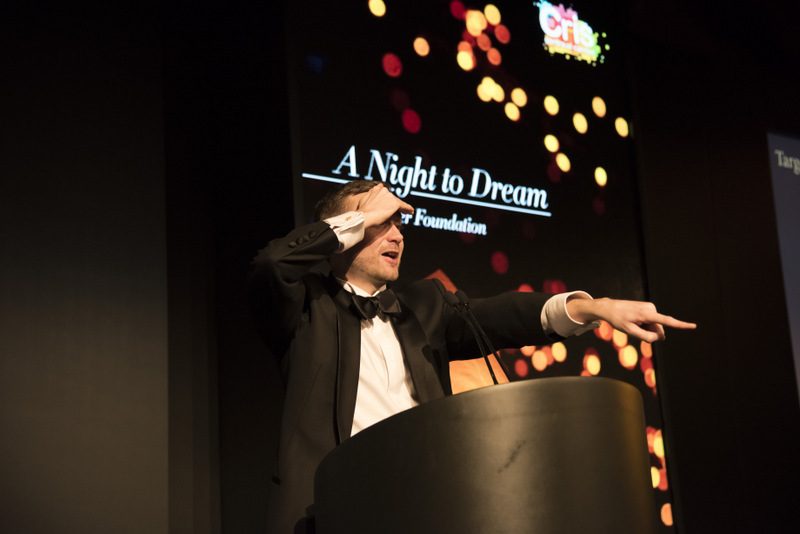
Charity auctioneer Kevin Durham shading his eyes and pointing out a bid from the lectern at CRIS Cancer Foundation's A Night to Dream gala

In short

  • Choose the charity first and contact its fundraising team before you book anything. Most big cancer charities offer free packs.
  • For serious money, run a gala or ball with a short live auction and a live pledge.
  • Sports dinners, golf days, fashion shows and quiz nights suit different crowds. Pick what your supporters already enjoy.
  • Awareness dates help: World Cancer Day is every 4 February, and Breast Cancer Now runs Wear It Pink each October.
  • Keep the evening cause first and leave medical information to the charity.

A good cancer fundraiser starts with the cause and works back to the event. Pick the charity, talk to its fundraising team, then choose a format your supporters will actually turn up to and spend money at.

I have hosted cancer charity galas as a charity auctioneer, and the nights that raise the most are rarely the most elaborate. The room knows where the money is going and has a clear, comfortable way to give. Here are the formats, how to run them, and the UK rules.

What makes a good cancer fundraiser?

A good cancer fundraiser is one your supporters already want to attend, run in partnership with the charity, with one clear moment where guests are asked to give. The format matters less than those three things.

Cancer reaches a lot of families. Cancer Research UK’s statistics page lists 403,601 new cases of cancer in the UK (its figure covering 2019 and 2021 to 2022, as shown in October 2026). That reach means most rooms will include guests with a personal connection to the cause. It also means the tone needs care.

So decide on the charity first. A national charity, a local support centre and a children’s cancer charity tell different stories, and the event should fit the story.

Which cancer fundraising ideas raise the most money?

The cancer fundraising ideas that raise the most money are usually ticketed evenings with a live auction and a pledge, because they let a room of generous people set the ceiling. Smaller formats still matter: they bring in new supporters and keep the cause visible through the year.

FormatBest forWhere the money comes from
Gala or ballCharity supporters, corporate tablesTickets, live auction, live pledge
Sports dinnerClubs, business networksTickets, signed lots, auction
Golf dayClubs, corporate teamsTeam entry, sponsorship, evening auction
Fashion showLocal shops, community groupsTickets, raffle, donated lots
Quiz nightWorkplaces, schools, villagesEntry fee, raffle, games
Coffee morning or bake saleAnyone, at any sizeDonations, sales

The big charities publish their own lists. Macmillan’s fundraising ideas range from balls and dinner parties to quizzes and golf, and Cancer Research UK’s A to Z includes auctions, raffles and quiz nights. For more formats across every kind of cause, see my guide to fundraising events.

Running a gala or ball for a cancer charity

If you want one evening to carry most of the year’s total, plan a gala or ball. The ticket price covers the night. The auction and the pledge raise the money.

I have hosted for CRIS Cancer Foundation, including its A Night to Dream gala, and one of its reviews describes a “charity dinner for 440 very demanding people”. A room that size gives generously when the programme is tight and the ask is clear. The credit for nights like that belongs to the charity’s team and the supporters they bring with them, not to the person holding the microphone.

Kevin Durham in a burgundy velvet jacket pointing to the room from the stage while running the live auction at the MAG-FEST charity gala

A few things I would build in:

  • A short live auction. About ten strong lots, sourced in-house where you can, so more of the money stays with the charity.
  • A live pledge after the auction. Guests give directly to the work, at a few set levels, with no lot to win. I push for one every time: it is the most powerful segment of the night.
  • A speaker the charity chooses and briefs. It might be a nurse, a researcher or a family member.
  • A room that is listening. Get the room quiet before the auction starts, run it before guests tire, and go straight into the pledge.

At most galas I work, the pledge raises more than the auction. At a Jigsaw Trust event (an autism charity, not a cancer one), the charity expected £14,000 from the auction; the auction made £27,000 and a live pledge they had not planned added £30,600. I explain the structure in my piece on the live pledge, and the wider planning in my charity ball guide.

How do you plan a breast cancer fundraiser?

You plan a breast cancer fundraiser the same way as any other: choose your charity, request its pack, then pick a format. Breast Cancer Now’s own list of fundraising ideas runs from coffee mornings and walks to “gala balls”, golf days and raffles, and it invites supporters to wear pink each October.

October gives breast cancer fundraising a natural focus, so a ball, a fashion show or a workplace pink day that month has an easy hook. A fashion show works well with local boutiques: they lend the clothes, guests buy tickets, and a donated outfit can go into the auction. A golf day with an evening dinner gives you two fundraising moments for one booking.

Awareness dates worth building around

An awareness date gives your event a reason to happen now, and lines it up with the charity’s own publicity.

  • World Cancer Day is every 4 February, led by the Union for International Cancer Control.
  • October is the month for breast cancer, when Breast Cancer Now asks supporters to wear pink.
  • November belongs to men’s health: Prostate Cancer UK is the main beneficiary of Movember, which has its own playbook and its own guide on this site.

Check the charity’s own calendar before you fix a date, so you do not clash with its flagship events.

What do Macmillan and other cancer charities give fundraisers?

Macmillan and other cancer charities give fundraisers a free pack, promotional materials and a team to talk to. If you want Macmillan fundraising ideas, start with that pack.

Macmillan asks supporters to get a fundraising pack and register their event, and offers bunting, collection boxes and t-shirts to order. Its fundraising FAQs point to free poster templates and advise supporters not to buy their own card readers. Its fundraising team is on 0300 1000 200 or fundraising@macmillan.org.uk.

Cancer Research UK’s fundraising support offers a pack of “ideas, tools, tips and inspiration”, branded resources and advice on fundraising safely. Whichever charity you choose, use its materials and follow its branding rules rather than making your own logo.

What rules apply to a cancer fundraiser in the UK?

A cancer fundraiser in the UK follows the same rules as any charity event: insurance, licences, honest fundraising, and the rules for raffles and Gift Aid. None of it is complicated, but check it early.

The Fundraising Regulator’s events guidance, updated in November 2025, says organisers are responsible for health and safety and insurance. You need permission to use the venue and any licences for trading or selling food and drink. It also separates fundraising “in aid of” a charity from fundraising “on behalf of” one, which changes what the charity is responsible for.

  • Raffles. A raffle run at your event can spend up to £500 of ticket money on prizes and £100 on costs, with tickets sold only on the night, under the event raffle rules.
  • Gift Aid. Event tickets and raffle tickets are not gifts, and HMRC’s Gift Aid guidance treats an auction payment as a purchase. A straight donation from a UK taxpayer, such as a pledge, can usually qualify if the donor makes a Gift Aid declaration.

I am an auctioneer, not a lawyer, so check anything unusual with the charity and your local council.

How should you talk about cancer on the night?

Talk about cancer on the night in the charity’s words, not your own. Let the charity supply the facts, figures and stories. The host’s job is to thank people and ask for the money.

That means no medical claims from the stage, no statistics the charity has not supplied, and no promises about what a donation will cure. Say what the money funds, in the charity’s terms.

Kevin Durham speaking into a microphone from the lectern at CRIS Cancer Foundation's A Night to Dream gala

The room will include people who have lost someone and people in treatment. The tone can still be warm, even fun in the auction, then humble and sincere for the pledge. My hospice fundraising guide covers that balance for another sensitive cause.

Getting the money to the charity

The fundraising is not finished until the money reaches the charity. Agree in advance how and when you will pay it in, who collects the pledges, and how auction winners pay.

Then thank everyone quickly, by name where you can: guests, lot donors, the venue and the charity’s team. Send the final total to the charity so it can share it.

If you are planning a cancer charity gala or dinner and want to talk through the auction and the pledge, call me on 07596 851647. I would rather talk it through than trade emails.

Kevin Durham, charity auctioneer

Kevin Durham

Charity auctioneer & event host

20years£10m+raised60–80events/yr
Check availability07596 851647

Let’s talk

Bring this to your event

Book a free consultation with a charity auctioneer who has raised over £10 million.

Masquerade ball ideas for a charity fundraiser that raises real money

Two men in tuxedos on stage at the Children's Respite Trust masquerade charity gala

In short

  • A masquerade ball is a formal ball where guests wear masks. The tradition runs through the Venetian Carnival and 18th-century London.
  • The masks themselves can earn money: sold with tickets or at the door, sponsored by a local business, or auctioned as a one-off lot.
  • Put the masks in the dress code from the very first invitation, and keep spares at the door.
  • Make the unmasking the pivot of the night: the playful part ends, faces come out, and the live pledge begins.
  • Masks change how bids are spotted, so plan bidder numbers, lighting and half masks before the night.

The best masquerade ball ideas for a charity night do two jobs at once. They give guests a reason to dress up and buy a ticket, and they hand you a ready-made moment in the running order: the unmasking. Used well, that moment is the cue for your live pledge, usually the biggest earner of the night.

I am Kevin Durham, and I have spent 20 years as a charity auctioneer and host. Here is how I would turn the masks into income, word the dress code, and build the evening so the money arrives when you want it.

What is a masquerade ball?

A masquerade ball is a formal ball where guests wear masks, and often costume, so that nobody is quite sure who they are dancing next to. The mystery is the point.

Costumed balls were a luxury of European courts, and the ill-fated Bal des Ardents in Paris took place on 28 January 1393. In the 16th century, masked festivities spread to the public in Renaissance Italy and became bound up with the Venetian Carnival. By the 18th century, semi-public masquerades had arrived in London.

Venice gave us the masks most people picture today. The official carnival site describes the bauta as a plain mask that let the wearer attend a party without being recognised. Masks are first documented in Venice in the 13th century, the festival was outlawed in 1797, and it was revived in 1979, according to the history of Venetian masks.

Why does a masquerade suit a charity fundraiser?

A masquerade suits a charity fundraiser because the theme comes with its own products and its own big moment: something to sell, and a reveal to build towards.

The BHF guide to charity balls tells organisers to think of a theme early, and in my view a masquerade is one of the easiest to sell to a guest list. I cover the wider plan in my guide to the charity ball, and how a theme shapes your lots in auction themes.

Masquerade ball ideas that bring in money

These masquerade party ideas turn the theme into income without making guests feel they are paying for every little thing.

  • Sell masks with the ticket. Offer a ticket with a mask included at a slightly higher price, so you know your numbers before the night.
  • Sell masks at the door. A small table at arrivals, staffed by someone cheerful. The Simply Masquerade guide notes that guests often forget their masks, so keep spares anyway.
  • Get the masks sponsored. The BHF suggests pricing up parts of the event and selling them as sponsorship. A local business paying for the masks, with its name on the ribbon card, means every mask sold is pure profit.
  • Run a decorate-your-own table. Plain masks are a common party idea for guests to customise. Charge a small fee for the mask and materials, and it doubles as an icebreaker.
  • Award the best mask. Ask a sponsor to present a donated prize, and announce the winner just before the unmasking.
  • Auction one mask. A hand-made mask from a local artist, or one signed by someone your guests admire, makes a strong opening lot with a story behind it.

One point on paperwork: a guest who buys a mask is paying for goods, so under HMRC’s Gift Aid guidance that payment is not a gift and cannot have Gift Aid added.

How should you word the masquerade ball dress code?

Word the masquerade ball dress code as two parts: the formality, then the mask. “Black tie and masks” is clear, short and fits on a ticket.

Black tie means a dinner suit and black bow tie, or an evening gown, and it is a step below white tie. Then say what you mean by a mask. Some wording that works:

  • “Black tie and masks. Masks available at the door, or bring your own.”
  • “Evening dress and masks. Half masks recommended, so you can dine in comfort.”
  • “Masks stay on until the unmasking. You will know when.”

The Simply Masquerade guide advises explaining the dress code from the first invitation. If the mask only appears in the final reminder email, half the room arrives without one.

Which masquerade ball themes work for a charity night?

The masquerade ball themes that work best are the ones with a colour palette guests can actually shop for.

  • Venetian carnival. Gold, deep reds, ornate masks. The classic.
  • Black and gold. Every high street has something that fits, which matters more than you would think.
  • Your charity’s colours. A masquerade in the charity’s own colours ties the décor back to the cause without a word being said.
  • Winter masquerade. Silver, white and ice blue, ideal for a December date.

Masquerade ball ideas for the running order

A masquerade gives the evening a natural shape: mystery first, reveal second, generosity third.

  1. Arrivals. Mask table, photo backdrop, decorate-your-own station.
  2. Dinner. Let the room breathe. Sell raffle tickets between courses, never while someone is mid-mouthful.
  3. The live auction, masked. Keep it cheeky and playful. This is where the banter lives, and the anonymity is part of the fun.
  4. The best mask award. A quick, light moment to bring the room together.
  5. The unmasking. Everyone removes their mask at once.
  6. A short speech or film about the cause.
  7. The live pledge.

For a full timeline, see my gala running order.

Why make the unmasking the cue for the live pledge?

Make the unmasking the cue for the live pledge because it does the hardest job on the night for you: it gets the whole room looking at the same moment, at the same time.

I learned the cost of skipping that step the hard way. At one big event that was running late, with no speech or film to set up the auction, I started announcing lots while people were still talking. Only a fraction of the room heard them. Since then I command the room first, every time. Stand on a chair if you have to. An unmasking does that for you, because nobody wants to miss it.

It also changes the mood. When the masks come off, guests are themselves again, and that is when I drop the banter and turn to the cause. Serious, but never sombre, and the excitement should build as the money comes in. At the end of a pledge I normally invite everyone who has given to the front for a quick photo, and with the masks off, it is a photo worth sharing. I explain how the pledge works in my guide to the live pledge.

How do masks change bidding for the auctioneer?

Masks make bids harder to spot and harder to hear, so the auction needs a little more planning than usual.

Kevin Durham in a burgundy velvet dinner jacket on the microphone, pointing out to the room at a black-tie charity gala

  • Use bidder numbers or paddles. When faces are hidden, a large printed number is how the team records who won.
  • Bring the lights up for the auction. A candlelit room looks beautiful and hides raised hands.
  • Favour half masks. A full-face volto or bauta covers the mouth. The RNID notes that many people rely on lipreading to some degree, so anyone speaking from the stage should be unmasked.
  • Work the floor. I run auctions with a wireless mic in the middle of the room, which makes it far easier to catch a nod from behind a mask than it is from a lectern.

Masquerade ideas to leave out

Some ideas look good on a mood board and cost you money on the night.

  • Full-face masks for the whole evening. People cannot eat, talk or bid comfortably.
  • Expensive compulsory masks. I would rather guests saved their money for the room than spent it before they arrive.
  • Too many candles. The Fundraising Regulator says to complete a risk assessment before any fundraising event. Feathers, masks and open flames belong on it.
  • Vague promises about the money. The same guidance says your event marketing should be clear about how the money raised will be used. Tell guests where the mask money goes.

Hire me and the auction platform is included: I build it around your event, in your branding, with your tickets, lots and masks loaded and ready to go. To talk through your masquerade, have a look at my auctioneer services or call 07596 851647.

Kevin Durham, charity auctioneer

Kevin Durham

Charity auctioneer & event host

20years£10m+raised60–80events/yr
Check availability07596 851647

Let’s talk

Bring this to your event

Book a free consultation with a charity auctioneer who has raised over £10 million.

Movember ideas: fundraising events that raise more than a moustache

Kevin Durham in a red velvet jacket on the microphone on stage at MAG-FEST, the Manchester Airport Group's charity gala, with guests beside him

In short

  • Movember runs every November, from the 1st to the 30th, and raises money for men’s mental health and suicide prevention, prostate cancer and testicular cancer.
  • You can Grow, Move, Host or Mo Your Own Way. You don’t need a moustache to take part.
  • Money goes through Movember’s own routes: your Mo Space online, or its “Submit cash donations” section for cash you collect.
  • Build to a finale: shave down on 1 November, then hold a party or dinner in the last week.
  • At that finale, auction one moustache-themed lot, then run a short live pledge.

Most Movember ideas start and stop at the moustache. Grow one, post a photo, ask for a fiver. That works, but the teams that raise the most every November turn the month into a run of small events that build to one big night at the end.

That big night is where I come in as a charity auctioneer, so this guide is built around it: how Movember fundraising works, the rules to follow, the ideas that suit workplaces and sports clubs, and a Mo party with an auction lot and a short live pledge in it.

What is Movember, and when does it run?

Movember is a men’s health charity campaign that runs every November. It started in 2003 as a bit of fun between friends in Melbourne, according to Movember’s fundraising guide, and it now funds work on mental health and suicide prevention, prostate cancer and testicular cancer.

In September 2026, Movember said its moustaches had funded more than AUD $1.8 billion of prevention-focused work. Its 2026 campaign asks supporters to make a Growmitment, a commitment to change men’s health, and to bring their crew along.

There are four ways to take part:

  • Grow: start clean-shaven at the beginning of the month and grow a moustache.
  • Move: walk or run 60km over the month, one kilometre for each of the 60 men Movember says are lost to suicide every hour worldwide.
  • Host: put on an event, or a Mo-ment as Movember calls it, from an office lunch to a black-tie party.
  • Mo Your Own Way: set your own challenge.

What is a Mo Bro, and can women take part?

A Mo Bro is a man who takes part in Movember, and a Mo Sista is a woman who takes part. Prostate Cancer UK, whose research Movember supporters have helped fund, calls them Mo Bros and Mo Sistas.

Movember’s guide says you don’t need to grow to save a bro. Moving, hosting and setting your own challenge are open to everyone.

How does Movember fundraising work?

Movember fundraising works through your Mo Space, the personal page you get when you sign up on Movember’s site or app. Set a target, say why you’re doing it, and share the link or QR code.

A few rules from Movember’s UK guide are worth knowing before you plan anything:

  • Money goes to Movember. Online donations land in your Mo Space. Send cash, cheques and transfers on through its “Submit cash donations” section. After an event, that is your job.
  • Name it properly. Call it something like “Community Ball supporting Movember”. Don’t call it an “Official” Movember event.
  • Don’t sell branded goods without a written agreement with Movember.
  • No street collections and no door-to-door.
  • Insurance and permits are yours. Movember’s insurance only covers events it organises itself, and the Fundraising Regulator says you must do a risk assessment before any fundraising event.

Movember ideas for the workplace

A workplace already has a team, a calendar and a bit of rivalry between departments. Movember lets you set up a workplace team from your Mo Space, and suggests asking your employer about gift matching and payroll giving, which comes out of pay before tax.

  • Shave-down on 1 November. A barber on hand, before-and-after photos, and a donation to watch the boss go first.
  • Mo-gress Mondays. A weekly photo wall of the growers. The worse the moustache, the better the conversation.
  • Lunchtime Move. A group walk each lunch break soon adds up to 60km.
  • Mo trivia. Movember offers a free quiz pack. Ask for a donation to enter.
  • Department league. Departments compete on totals, with the leaderboard on the kitchen wall.

There are more office ideas in my corporate fundraising and easy fundraising guides.

Which Movember ideas work for sports clubs?

The Movember ideas that work best for sports clubs are team challenges: a squad Move, a moustache league and a paid-entry tournament.

  • Squad Move. Everyone in the club takes on 60km. Movember’s guide suggests asking people to pledge per kilometre: five people giving £1 per km comes to £300.
  • Charity tournament. Five-a-side, tag rugby or netball. Paid entry makes sure teams turn up.
  • Mo of the season. Players vote for the best and worst moustache at the end of the month, and the worst pays a forfeit to the Mo Space.
  • Shave-down at training on the first session of November.

Movember event ideas for the end of the month

The best Movember event ideas give the month a finish line. Movember’s own guide suggests a “Stache Bash”: an end-of-Movember party where guests make a donation as a cover charge and you thank everyone who backed you.

Make it a dinner or party in the last week of November. Book the date before 1 November, sell tickets through the month, and put the leaderboard up on the night.

Don’t let the night drift. I like to open with a quick game such as Heads and Tails: everyone stands, it takes about four minutes, and the room is warm before the main course. There are more in my fundraising games guide.

Then save the moustache lot and the pledge for when the room is listening. Never ask anyone for money with food going into their mouth.

How do you run a Movember auction lot?

The simplest Movember auction lot is the moustache itself. Movember’s guide suggests auctioning off the style of your Mo to the highest bidder, and asking for donations to shave it off if you threaten to keep it.

Kevin Durham with a microphone and clipboard sharing a joke on stage with a bearded guest at a black-tie charity gala

At a finale, that becomes a live auction moment. The winning bidder decides what happens to the club captain’s moustache: shaved off on stage, dyed, or kept until Christmas. This is where the banter comes in. Is the finance team really going to let sales outbid them on their own manager’s top lip?

One or two of these lots is plenty. I would rather see ten great lots than fifty average ones, and a moustache lot should be the fun one, not the whole auction.

Take payment on the night and send it on through the Mo Space.

Why end a Movember fundraiser with a live pledge?

A live pledge is where guests give a set amount, in tiers, with no lot in return. It is often the highest-earning part of a charity event.

Most organisers leave the pledge out entirely. A Movember night doesn’t need to be big for one to work. Here is how a live pledge works.

For Movember, keep it to five minutes. Someone with a personal reason says a few words, you put the Mo Space QR code on the screen, and you ask for £100, then £50, then £20. The tone shifts here, from banter to the cause, but it doesn’t have to go quiet. Let the excitement build as the total climbs.

What men’s health facts should you share at a Movember event?

Share a few facts from Movember or the NHS, and point people to the NHS for advice.

  • Prostate cancer is the most diagnosed cancer in men worldwide, with more than 1.4 million men diagnosed each year.
  • The NHS says it often has no symptoms at first, and you can ask a GP about a PSA blood test even without symptoms.
  • Testicular cancer is the most common cancer in young men, with a survival rate of more than 95%.
  • The NHS advises men to check regularly so they know what is normal for them.

Is a Movember event worth a professional host?

A Movember event is worth a professional host when the month ends with a gala, auction or live pledge. The host keeps the humour and the cause in balance, runs the auction and leads a pledge once the room is warm. Smaller office Movember ideas can be run by the team.

A simple office challenge needs no host. Have ready the date, venue, guest numbers, the men’s health charity you support, any lots you have and what you would like the evening to raise.

Where I come in

Most of a Movember month belongs to your team. The part I can help with is the finale: hosting the night, running the moustache lot, and the live pledge. If you’re planning one, call 07596 851647. I’d rather talk it through than swap emails.

Kevin Durham, charity auctioneer

Kevin Durham

Charity auctioneer & event host

20years£10m+raised60–80events/yr
Check availability07596 851647

Let’s talk

Bring this to your event

Book a free consultation with a charity auctioneer who has raised over £10 million.

Fundraising ideas for big money: the formats that raise thousands, not hundreds

Charity auctioneer Kevin Durham in a burgundy velvet jacket, microphone in hand, pointing out into the room at a gala

In short

  • Big money comes from big asks made to the right people. The format sets up the moment.
  • A gala with a short live auction, then a live pledge, is the most reliable big-money format I know.
  • A major-donor dinner raises a lot from a few people, especially with an announced lead gift.
  • Match funding, challenge events and sponsorship add thousands, but each has costs or conditions.
  • Raffles and cake sales have built-in ceilings. Keep them as add-ons.

The best fundraising ideas for big money have one thing in common: they put a large ask in front of people who can say yes to it. A cake sale asks two hundred people for £3. A gala pledge asks the same two hundred people for £100, £500 or £5,000, and gives them a reason to say yes in front of each other.

Big totals are my day job as a charity auctioneer: 60 to 80 events a year, and over £10 million raised for charity so far. This guide ranks the formats that raise thousands, not hundreds.

What counts as big money in fundraising?

Big money in fundraising means an event or appeal that nets thousands or tens of thousands for the charity after costs, not one that grosses a big number and keeps little of it.

Net is the only figure that matters.

Every fundraising idea has a ceiling: how many people you reach, times how much you ask each one for. Raise both and the total jumps.

A raffle shows the problem. Under the event raffle rules, you can spend up to £500 of proceeds on prizes and sell tickets only at the event, while it is happening. It’s a fine add-on, but every ticket is a small ask.

Which fundraising ideas raise big money?

The fundraising ideas that raise big money are built around large individual gifts. Here is how the main formats compare.

FormatWhere the money comes fromEffortWhat caps it
Gala with live auction and pledgeBids and pledges in the roomHighWho is in the room, and how it is run
Major-donor dinnerA few large giftsMediumYour contacts with wealthy supporters
Matched pledge or appealPublic gifts, doubled by a funderMediumThe size of the match pot
Challenge eventParticipants’ sponsorshipMediumPlaces, and the event’s own costs
Corporate sponsorshipCompanies buying tables or naming rightsMediumYour local business network
Raffle, tombola, cake saleMany small paymentsLowTicket price times headcount

Most of the great fundraising ideas on long online lists sit in that bottom row. Use them as extras around a big-money format, not instead of one.

The gala: a live auction, then a live pledge

A gala is the format I see raise the most: a room of willing supporters, a whole evening, then the ask. Balls, concerts and boxing nights work the same way. The ticket covers the evening, and the money is made in the room.

The order is everything. Run a short, sharp live auction of around 10 strong lots, not the 50 to 100 that some commission-based lot suppliers roll in with. Then go straight into a live pledge, where every guest can give at a level that suits them.

On a big-money night, the pledge does more of the lifting than any single lot. Lisa Thewsey of the OCU Group, after an evening for Teenage Cancer Trust: “We’ve raised over £75k this evening. I highly recommend Kevin and can’t wait to have him back next year.”

In Monaco, I hosted a single-evening gala that raised over €1,000,000. The work started long before the night: which lots, in what order, and a structured pledge. On the night, it was about keeping a multilingual room’s energy up. My guide to European galas covers events like it.

The pledge has a tax advantage too. HMRC says a payment at a charity auction is a purchase, not a gift, so a winning bid usually carries no Gift Aid. A pledge is a donation. If the donor is a UK taxpayer and signs a declaration, the charity can claim 25p on every £1. For the full planning checklist, see my gala guide.

How does a major-donor dinner raise big money?

A major-donor dinner raises big money by inviting a few people who could each make a large gift, telling them about the cause over a meal, then asking.

The money is out there. The Charities Aid Foundation estimates that people with at least £1 million in investable assets gave £7.96 billion in 2023. The British public as a whole gave an estimated £14bn in 2025, and one in five people say they cannot afford to give.

Three things make the dinner work:

  • A lead gift, announced early. In a field experiment, announcing a challenge gift brought in 23% more donors and 18% more money than the same appeal without one. Ask your biggest supporter if you can name their gift.
  • The cause in the room. A beneficiary, a nurse or a project lead talking for a few minutes does more than any brochure.
  • A clear, gentle ask. The fundraising code says you must not put undue pressure on anyone to donate. The ask should come from the heart: warm, sincere and never a hard sell.

There is a Gift Aid wrinkle. HMRC treats a dinner that also raises money from other guests as a fundraising event, but a private dinner for one donor and a few friends counts as a benefit to that donor. Check with your accountant.

Can match funding double a big night?

Yes, match funding can double what a pledge raises, as long as the funder’s pot is big enough and you tell the room the truth about the cap. A sponsor or trustee agrees in advance to match pledges pound for pound, up to a set amount.

The evidence is solid. In a study of over 50,000 previous donors, simply announcing a match raised revenue per letter by 19%, and 2:1 or 3:1 matches did no better than 1:1. At national scale, Big Give’s Christmas Challenge raised £57.4m in one week in December 2025 for 1,591 charities, including £25.8m in match funding.

At a gala, the match works best behind the live pledge. One client doubled their fundraising target: their team did the hard work, and I added a plan for the auction and pledge agreed well before the night. A match belongs in that plan from day one.

Are challenge events worth the effort?

Challenge events are worth it when the sponsorship minimum is high and you know how much the charity keeps. Part of every pound pays for the event itself.

The scale at the top is huge. By May 2026, the London Marathon had raised more than £87.5 million for charities that year, a world record for an annual one-day fundraising event. On 31 May 2026, Soccer Aid raised £16,462,353 for Unicef, helped by a live TV appeal and a foundation matching donations up to £6 million.

Look at the net per person, though. On 18 October 2026, the Cardiac Risk in the Young Kilimanjaro trek page asked for a £499 deposit and a minimum of £4,150 in sponsorship, and said the charity would receive at least £1,975 for each fundraiser. That is still thousands, but not £4,150. Gift Aid on overseas challenges also depends on who pays the costs (section 3.38 of HMRC’s guidance).

A fun run, football match or fight night works the same way on a smaller scale. Gather the participants and their supporters at the end, and you have a room to ask.

Sponsorship and selling tables

Corporate sponsorship turns a good gala into a profitable one. A headline sponsor who covers the venue or the food means more of every ticket goes to the cause.

Kevin Durham on stage at MAG-FEST, the Manchester Airport Group's charity gala, with screens naming the headline sponsor, category sponsors and four charity partners

Sell tables to companies, not just seats to individuals. A company table bids and pledges together, and a little rivalry between tables is gold in the live auction. Offer your biggest sponsor the match, so their name is said every time a pledge is doubled.

What stops a big format raising big money?

A big format fails to raise big money when costs or commission eat the total, or when nobody holds the room for the ask. Both are fixable before the night.

Costs first. The year before MS UK hired me, an external auction company grossed around £13,000 at their event and the charity saw only about £1,300. When I came in, I told the room at the start exactly where every pound was going. The company grossed around £3,500 that year, and the live pledge raised £8,300, all of it for the charity. I didn’t criticise anyone. I just turned the lights on, and the money followed the transparency.

Then the room. Here’s the night I’d rather forget. I once announced a live auction at a big event that was running late, with no speech or video to set it up, and I didn’t stop to get the room quiet. Only a fraction of the guests heard the lots. I’ve never repeated it. Command the room first, and stand on a chair if you have to.

How do you choose the right idea for your charity?

The best answer to how to raise money for charity is the format that fits the people you already know. Whatever the lists of ways to raise money for charity say, ask who among your supporters could give £1,000 or more, and who could fill a table.

  • A few wealthy supporters. Start with a major-donor dinner. Then invite them to the gala.
  • A loyal community. A gala with a live pledge, so everyone gives at their own level.
  • Sporty supporters. Challenge events, with the costs worked out before anyone signs up.
  • A business network. Sponsorship and table sales, and ask your biggest sponsor to fund a match.

How to fundraise for charity well is mostly about doing fewer things properly. My guide to choosing ideas covers the wider options, and raising more covers the levers inside the night.

Where to start

Pick one big-money format for the year and build everything else around it. Set the target, name your lead gift, and plan the auction and pledge before you book the band.

That’s where I come in. I host the whole evening or just the fundraising, and I plan the lots, the order and the pledge with you beforehand. To talk through a big night, call 07596 851647.

Kevin Durham, charity auctioneer

Kevin Durham

Charity auctioneer & event host
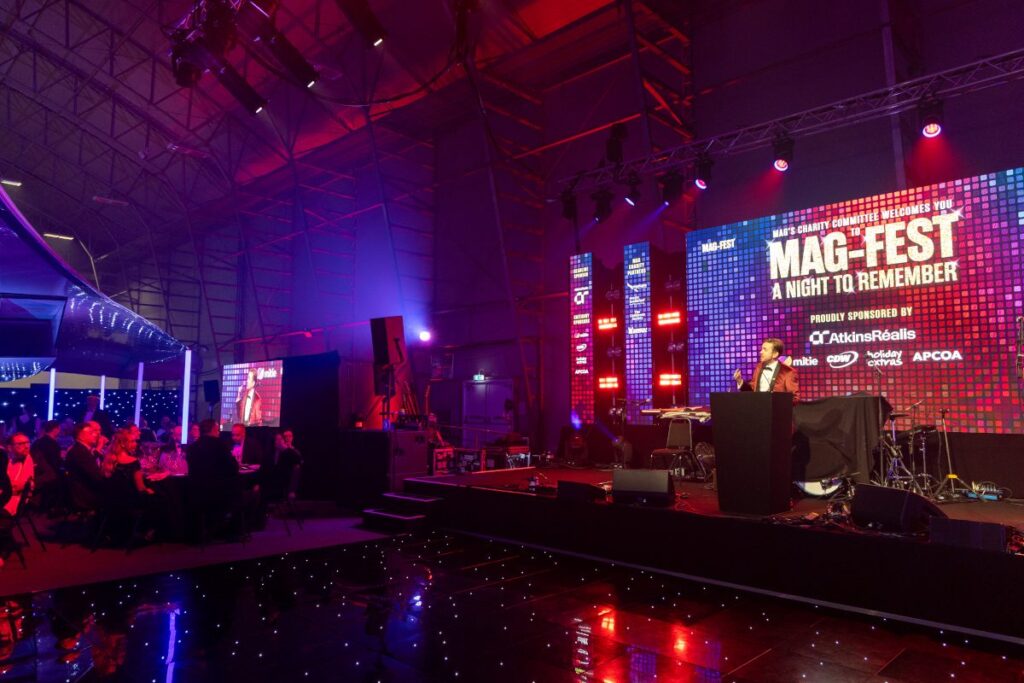
20years£10m+raised60–80events/yr
Check availability07596 851647

Let’s talk

Bring this to your event

Book a free consultation with a charity auctioneer who has raised over £10 million.